San Francisco
Ranked 11th best city in California
- Follow
- Write a review
- Ask a question










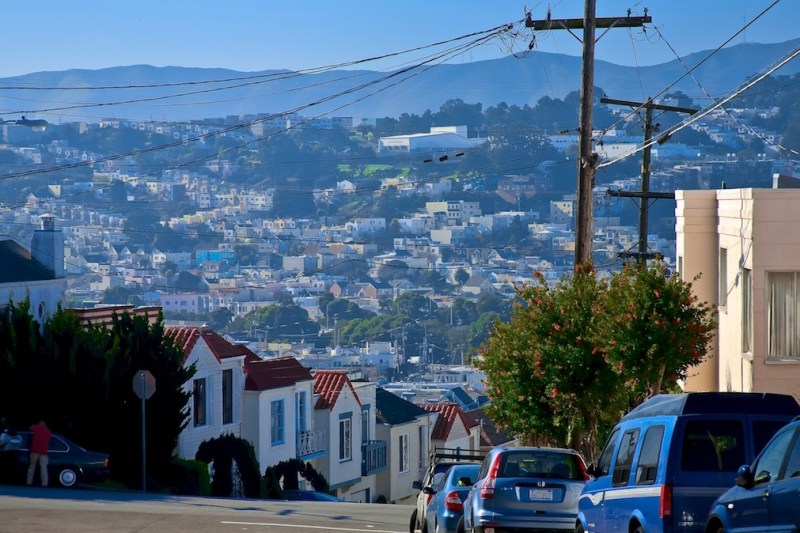
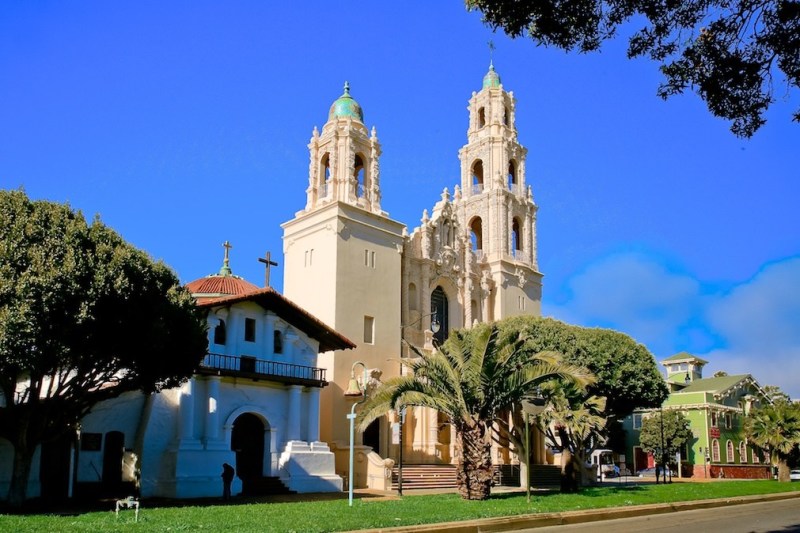

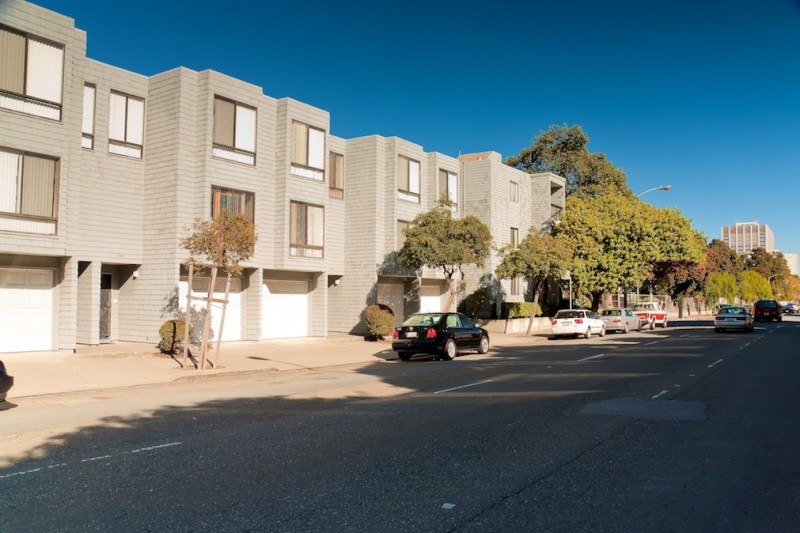

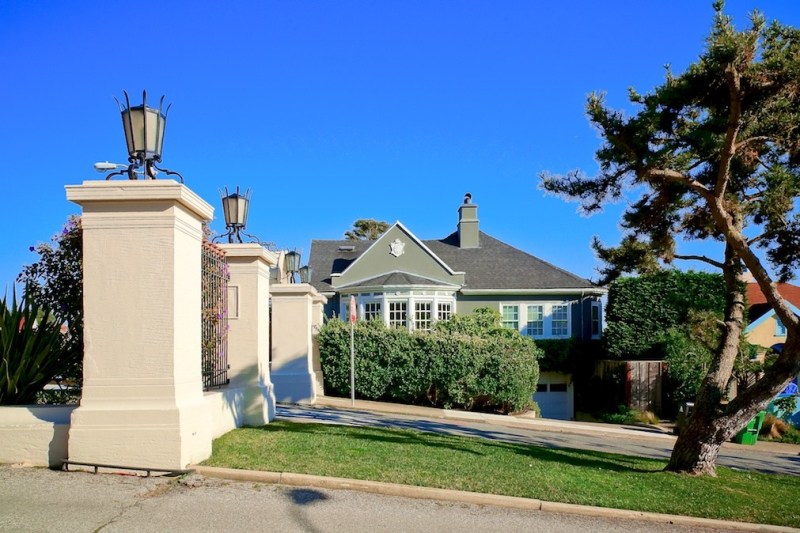




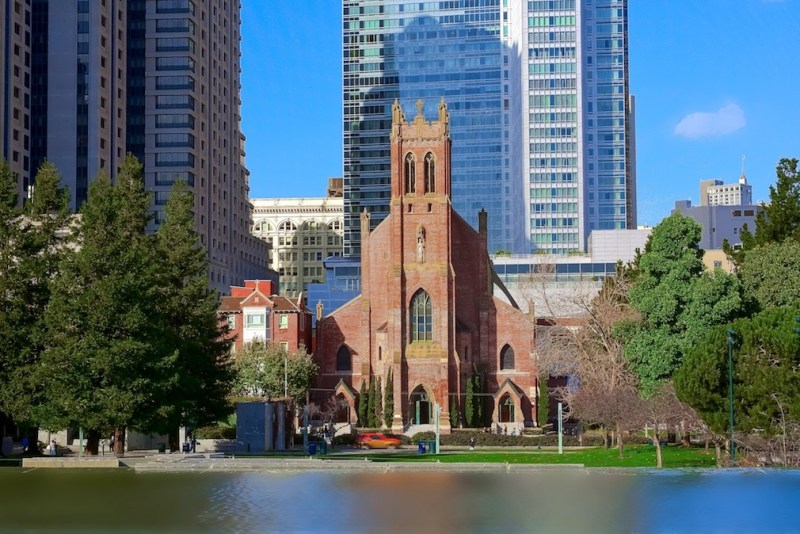
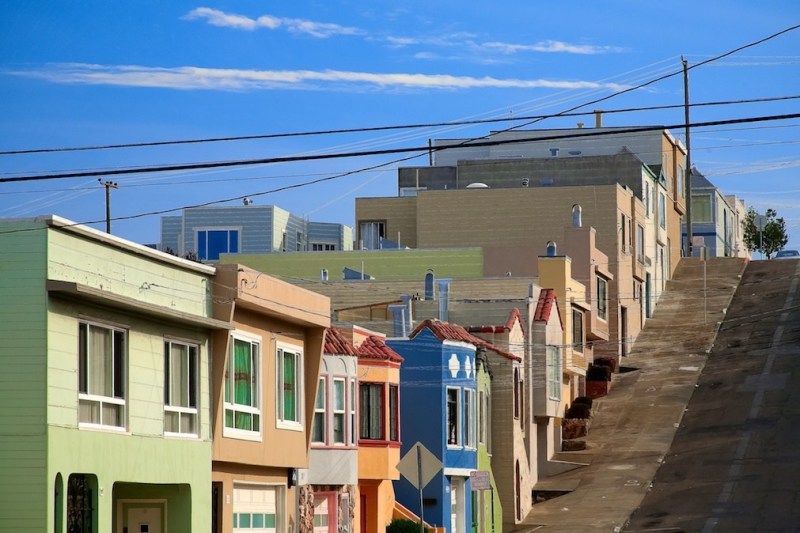
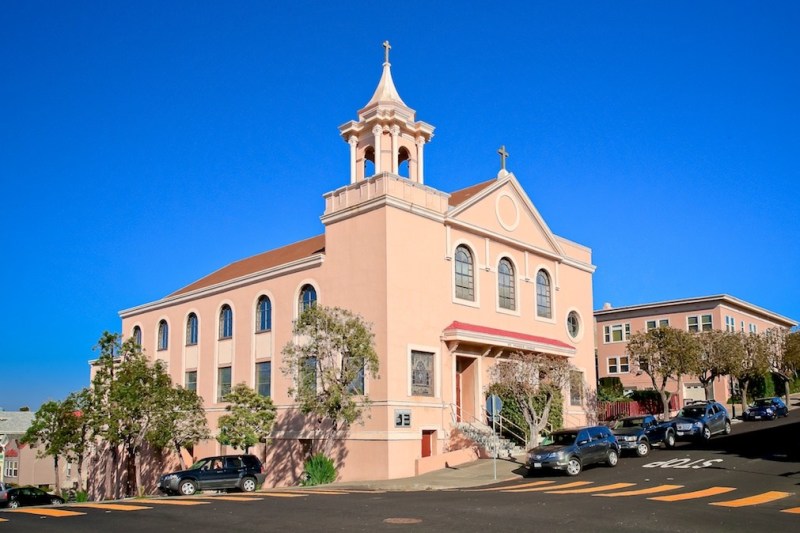

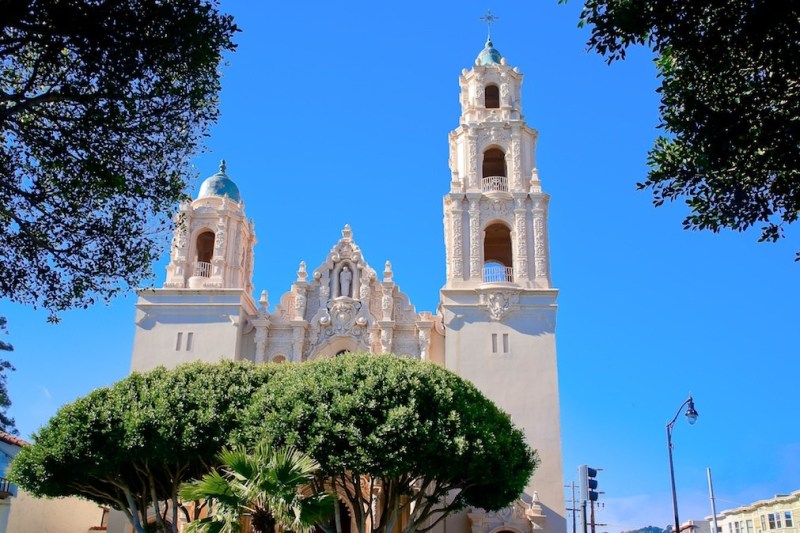


Great for
- Internet Access
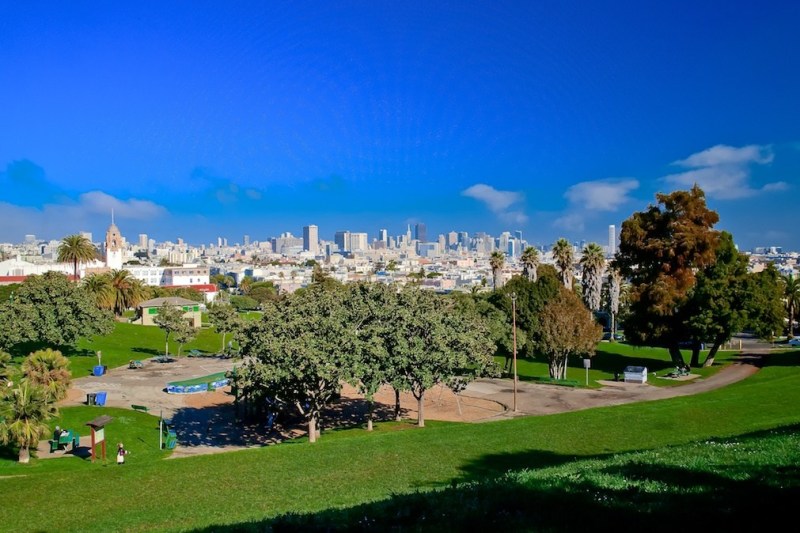
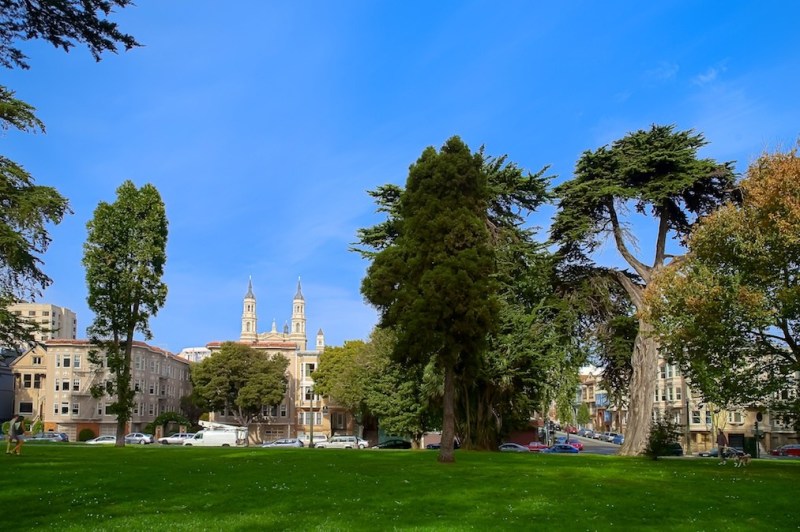
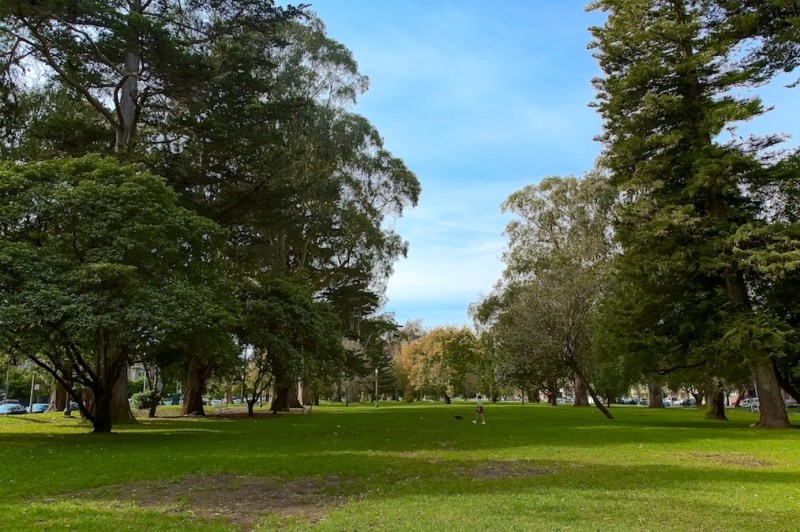
- Parks & Recreation
- Public Transport
- Neighborly Spirit
- Pest Free
Not great for
- Parking
Who lives here?
- Professionals
- Families with kids
- Singles
- Retirees
- Students
Got a burning question? Why not ask the locals! Simply ask your question below

Reviews
San Francisco

rating details
2yrs+
- Neighborly Spirit
- Safe & Sound
- Clean & Green
- Pest Free
- Peace & Quiet
- Eating Out
- Nightlife
- Parks & Recreation
- Shopping Options
- Gym & Fitness
- Internet Access
- Lack of Traffic
- Cost of Living
- Resale or Rental Value
- Public Transport
- Medical Facilities
- Schools
- Childcare
Editors Choice
"A Different Kind of Urban Paradise"
No single remark characterizes better what San Francisco means for many people than a quip by Herb Caen, the city’s late chronicler par excellence: “One day if I do go to heaven ... I'll look around and say, 'It ain't bad, but it ain't San Francisco .’ ”
That simple statement aptly summarizes the affection and high regard many residents and visitors hold for the City by the Bay. These 49 square miles of hill and valley and shore have commanded the attention not only of the state in which it was for many decades the most important city, but also the imagination of a nation that considers it both a point of departure (people come here looking to reinvent and rediscover themselves) and a point of no return (with the Golden Gate Bridge having the dubious distinction of being the No. 1 place to check out of this old world and into the great beyond).
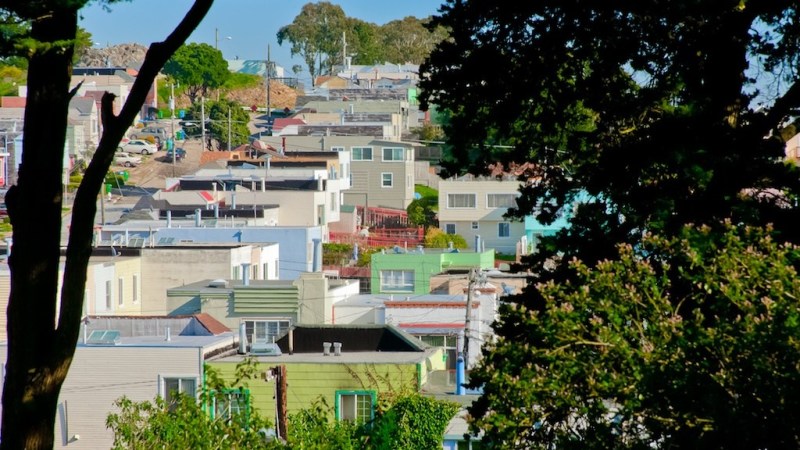
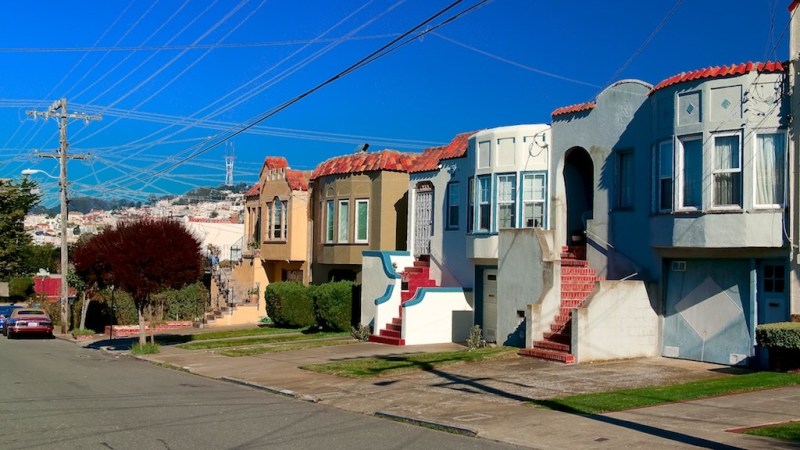
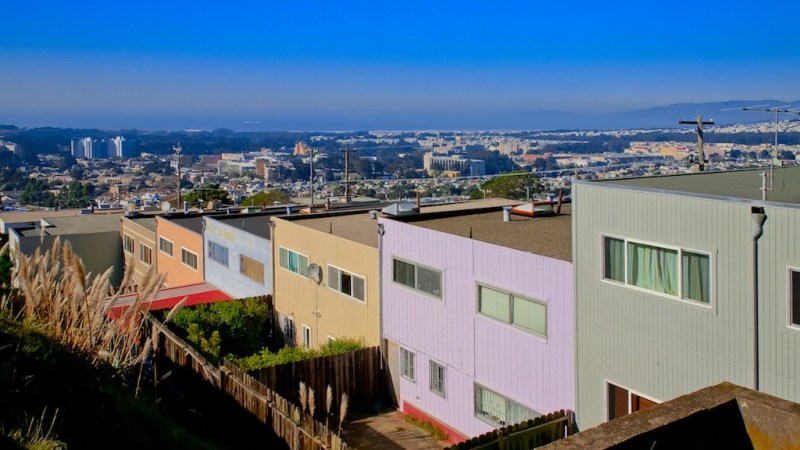
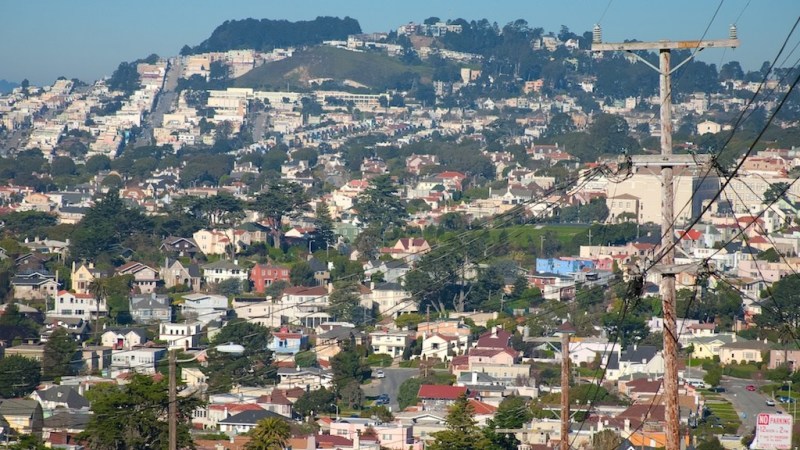
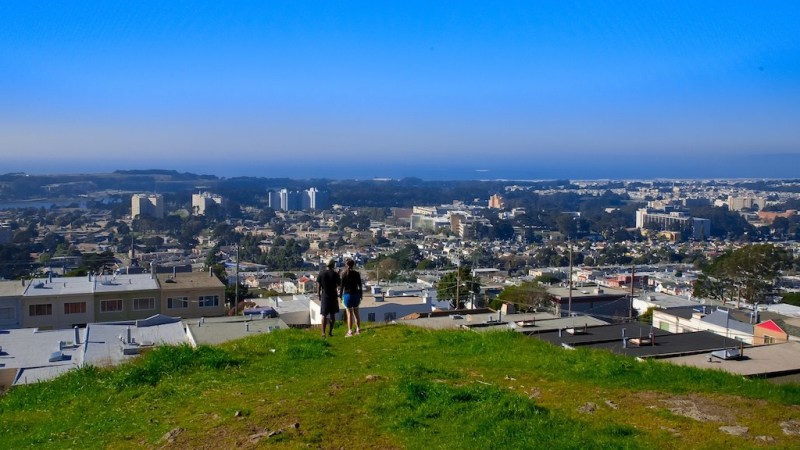
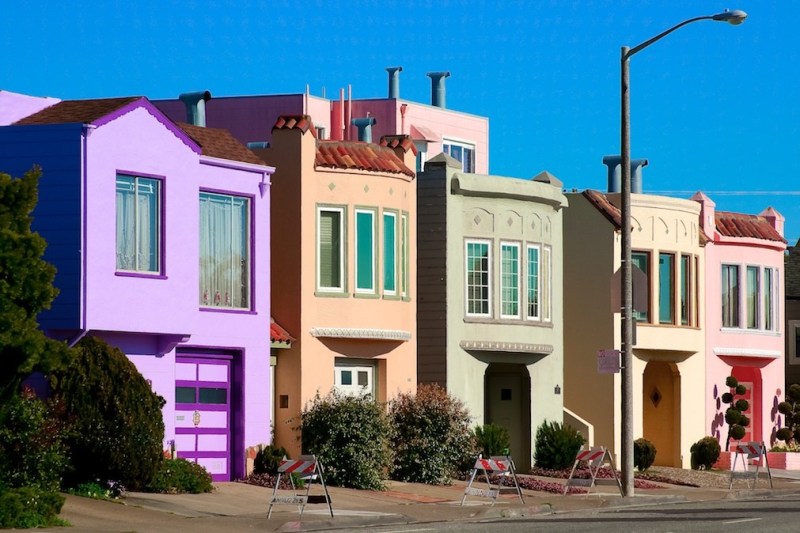
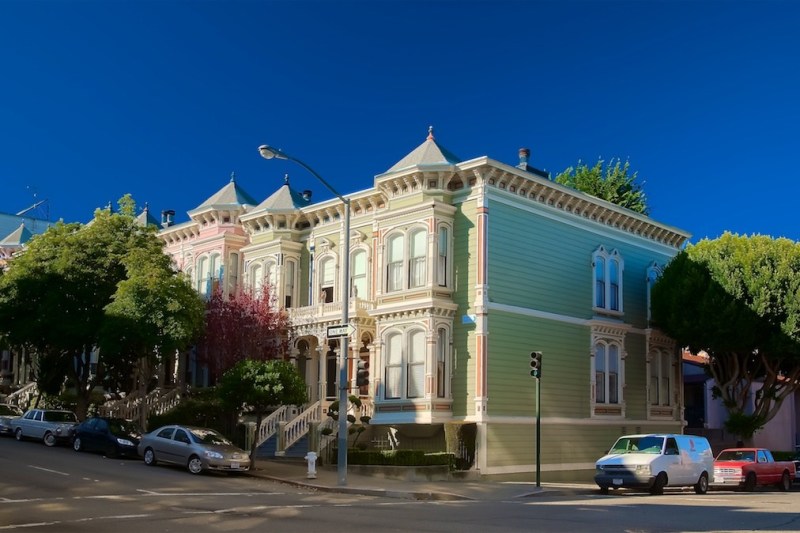
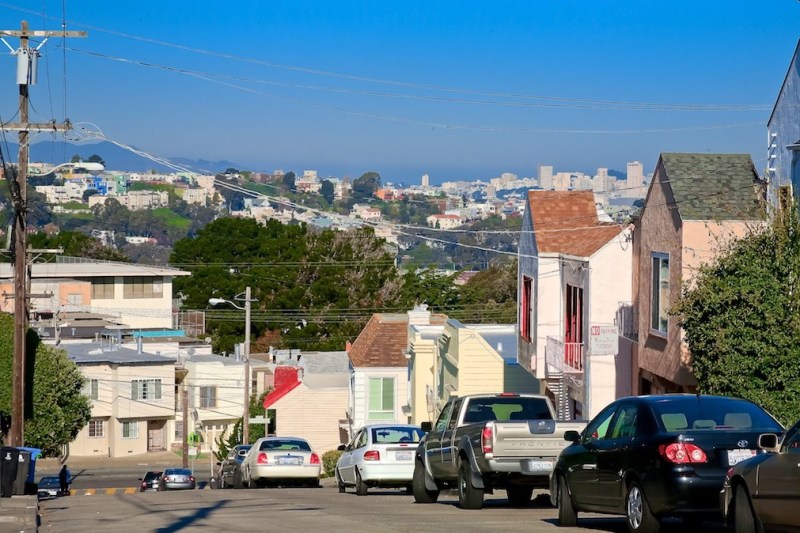
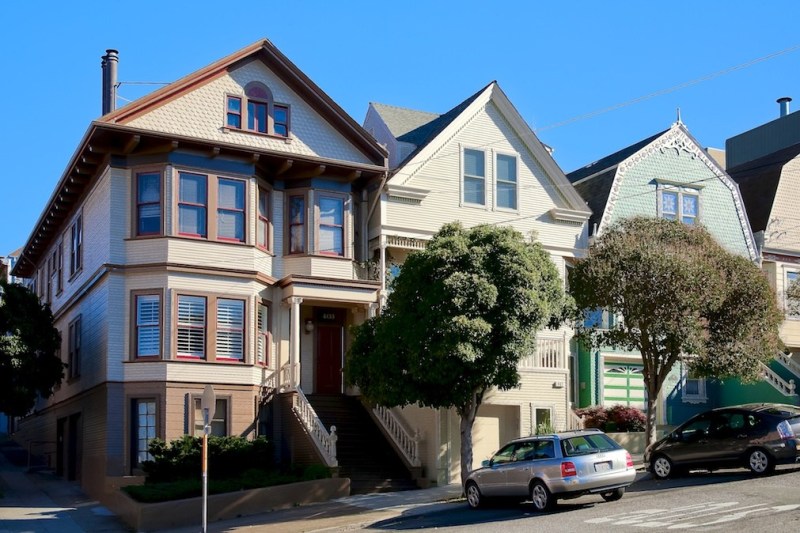
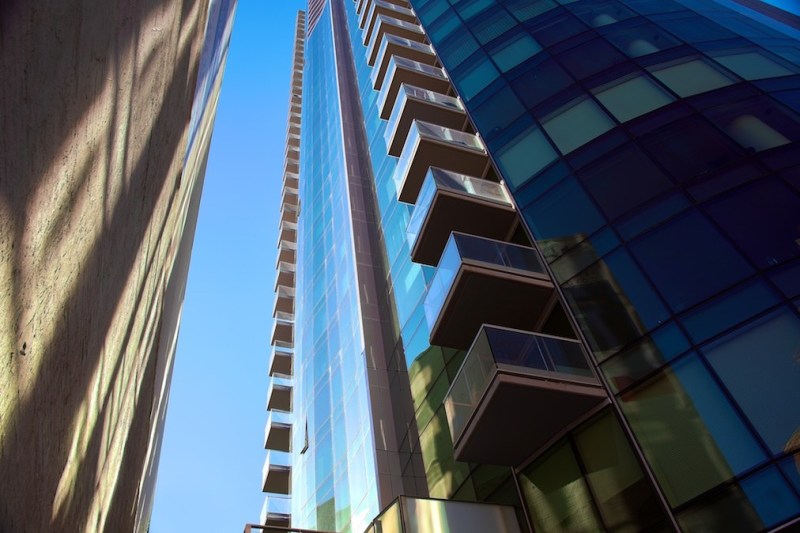
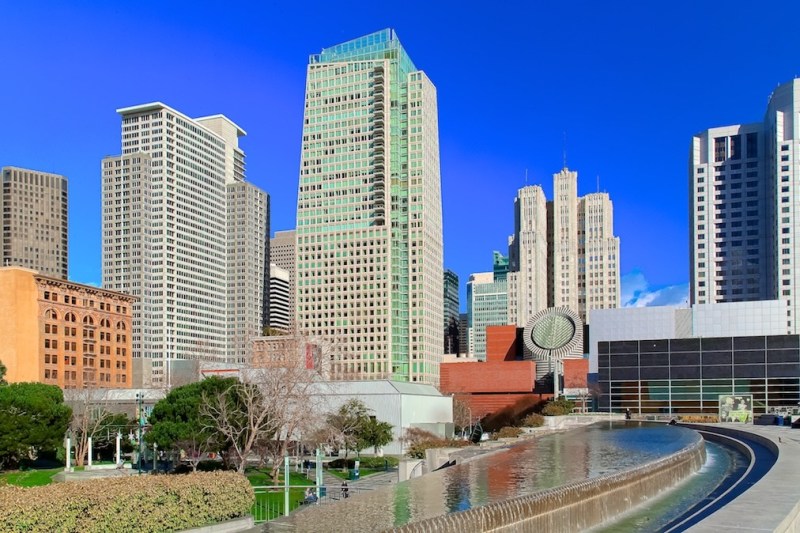
What gives San Francisco its allure? The 50 or so hills on which it spreads, affording wow-inspiring views not only from the top but also from the bottom looking up? Its mix of low-slung Victorian buildings and modern architectural marvels? The cable cars and streetcars and ferries and other reminders of a more felicitous era in public transit? The area’s quirky sea-induced weather, which can vary by hour from misty to crystal clear to breezy then blustery, with the fog playing hide-and-seek all the while? Or, in spite of that persistent fog, the fact that it still averages 260 sunny days a year, no snow in the winter, and 20 to 22 inches of precipitation annually, 90 percent of which falls between mid-October and mid-April? Perhaps it’s the curiously laid-back yet politically engaged and diverse population, almost 45 percent of whom have college degrees? The fact that 60 percent of San Franciscans are single? The food-obsessed lifestyle, with nearly 3,000 restaurants—the most per capita of any U.S. city? The liberal politics that encourages tolerance of many ways of life? Or, on a more practical note, is it the resilient economy, with its banking and finance industry driving Web 2.0 entrepreneurs as well as biotechnology and biomedical research, bumping the median household income to more than $70,000 a year? Or is the attraction as simple as the beauty of the city’s setting, surrounded by bay and ocean on three sides, with glorious countryside, open space, and mountains beckoning a few miles away?
The People
However you explain its pull, San Francisco indeed induces many to come, most of them to visit (15 million a year, according to the city's Convention and Visitors Bureau) and a smaller number to stay and live here—population in the last decade has hovered near 800,000, with the U.S. Census Bureau estimating a 2009 total of about 815,000, including about 100,000 who moved to the city in the last five years.
Though San Francisco is a densely populated place, it is in fact not even in the top 10 nationwide, at No. 23 among specific areas (some located within municipal boundaries, like Manhattan) with high-density population--but still more packed with people per square mile than Chicago, Boston, and Philadelphia, according to the U.S. Census Bureau. It is the 14th most populous city in the United States, however, and the second most densely populated of U.S. cities among those with more than 200,000 residents ( New York City is first). The large number of foreign-born immigrants (about 36 percent of the total, according to the Census Bureau) gives the city its characteristic diversity; it is often referred to as a “minority-majority” city, with non-Hispanic whites making up less than half of the population. (Latinos—white or of any race—amount to 14 percent of the total.) Asians of any nationality comprise about 31 percent of the population, those born in China or of Chinese descent being the largest single ethnic group in San Francisco, at about 20 percent. But the city’s African-American population has declined for the last 40 years, from 13 percent in 1970 to 7 percent today.
The city contains a lower-than-average number of married people (40 percent) with the lowest percentage of children under 18 of any metropolis in the United States (about 15 percent). San Francisco also counts 15 percent of its total population as gays and lesbians, according to figures from a survey conducted by the UCLA School of Law. That figure—the highest percentage in the nation—helps explain the highest per-capita distribution of same-sex households here as well as the gay-friendly civic government and businesses.
The Politics
Numerous factors in San Francisco’s past—its anything-goes history in the Gold Rush and Barbary Coast days in the 1850s and ’60s; the influx of immigrants in the early- and mid-20th century; the strong unions that organized workers in the Depression and World War II; the cultural foment of the Beat Generation in the 1950s and the Summer of Love in 1967; the gay-rights movement of the 1970s; and the environmental and “green” revolutions of the 1980s and 1990s—have resulted in an overall liberal political climate in city governance and a general tolerance exhibited by most of the populace.
San Francisco is constituted as a consolidated city and county. The mayor serves as the county executive and heads other citywide elected and appointed officials, and the 11-member Board of Supervisors acts as both a county delegation as well as the city council. Under the city charter, these two branches are equal, with the mayor in charge of the day-to-day operations of the civic government, and the supervisors, led by a president, responsible for passing laws and budgets. The city is divided into 11 geographic districts, each of which is represented by one member of the board, who in turn reflects the demographics of his or her constituency, with more conservative districts traditionally located in the city’s western and southwestern areas.
The city has been solidly Democratic for the last half-century, with no Republican presidential candidate winning over the city’s electorate since Dwight Eisenhower in the 1950s. At present, most of the city is represented in Congress by Rep. Nancy Pelosi, the Speaker of the House of Representatives and the first woman to fill the post. This is not to suggest that San Francisco moves in liberal lockstep: the Byzantine nature of politics here, which tends to pit one interest group against another, frequently creates conflicts over development (particularly between downtown corporations and the neighborhoods) and the apportionment of city services (police and fire protection, public transit routes, and health care).
Despite the liberal veneer, many newcomers to the city marvel at apparent contradictions in freedoms. For instance, while some patently illegal activity (smoking marijuana for non-medical purposes) is mostly ignored by the authorities as well as the citizenry, other perfectly legal activity (smoking tobacco) is severely restricted (it’s prohibited indoors in public places, in parks, and in taxis) and frowned upon by the populace. Others, newbies and oldsters alike, also bristle at the enforced recycling policies of the city, where residents are required to sort from their trash such recoverable, renewable resources as paper, glass, aluminum, and plastic, and to place compostable items such as kitchen scraps, soiled paper, and garden waste in green containers. Though detested by some and embraced wholeheartedly by others, the policy has resulted in San Francisco leading the nation with the most waste recycled of any U.S. municipality—nearly 67 percent (according to SustainLane.com).
The embrace of diversity and tolerance is also contradicted by a strong not-in-my-backyard streak among many neighborhood groups, who shun further intrusion into their protected space by opposing most development (including, at times, affordable housing) on the grounds that it will interfere with their area’s historic significance or quality of life. The Board of Supervisors has historically issued strong growth-control laws as well, empowering the Planning Department to limit, curtail, and even refuse developments it considers inharmonious with the city’s planning code.
The Neighborhoods
It is often said that San Francisco is less a big city and more a collection of small ones, and surely its neighborhoods bear that out. They are among the most distinct in any urban area of the United States, reflecting not only the current residents but, thanks to the city’s active historic preservation groups, its past inhabitants and their buildings and cultural landmarks as well.
Many neighborhoods are formed by man-made boundaries—busy streets, a park, a famous monument. Others are delimited by natural boundaries—the crest of a hill or the hill itself, the slope of one of these hills versus its counterpart on the other side, even waterways like lakes and brackish creeks that empty into the bay. In still others, the definition of one place versus another is forever in flux: consider the inability of anyone to say exactly where Hayes Valley ends and the Lower Haight begins.
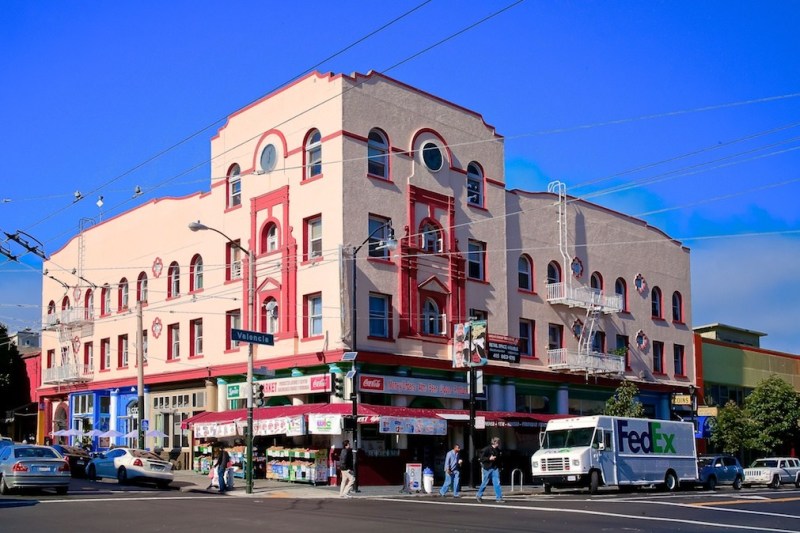
Fluid boundaries notwithstanding, San Francisco is a mosaic of different neighborhoods, each exhibiting its own flavor and character. Take the Mission District, an area that was settled in the late 19th century by European immigrants, the different groups bringing their commercial and social influences to the pockets where they clustered (trades, restaurants, churches, and clubs). Today, however, it has a decidedly Latino atmosphere, with Mission and Valencia streets crowded with stores and businesses catering to a Spanish-speaking clientele from Mexico as well as Central and South America. Likewise Chinatown: in a dark moment of the city’s 19th-century past, the Chinese Exclusion Act effectively sequestered Chinese residents on Grant Avenue and severely limited their freedoms to move outside the area and conduct business. Today, however, the infamous law receding into the past, the neighborhood has grown beyond the Grant Avenue tourist corridor to include large swaths abutting Nob Hill, North Beach, and Telegraph Hill, its vibrant shops, restaurants, and businesses catering to a new wave of Chinese immigrants.
Although ethnicity defines these two enclaves, most San Francisco neighborhoods are less influenced by race and culture and more by lifestyle. The Castro, for instance, is known worldwide as a gay mecca, while nearby Haight-Ashbury, famous for its 1960s hippie invasion, still attracts a considerable contingent of young people adhering to a similar sex-drugs-rock-’n’-roll philosophy. Noe Valley has its own counterculture family values, with high-tech millionaires pushing baby strollers next to designers, writers, and trades people of all types. And the Marina District pulls in both the young and well-heeled along with moneyed bankers and well-off retirees. From the well-to-do of Pacific Heights and Russian Hill to the down-to-earth of Bernal Heights and Bayview-Hunters Point, San Francisco still manages to accommodate all levels of the socio-economic stratum.
Newer areas like Mission Bay and older ones that have seen new life like South of Market (or SoMa, in real-estate parlance) are seen as more open to development and new industry. Hence, Mission Bay ’s satellite campus of UCSF and its many biotech firms, along with SoMa’s openness to multi-unit/multi-use housing developments and live/work lofts.
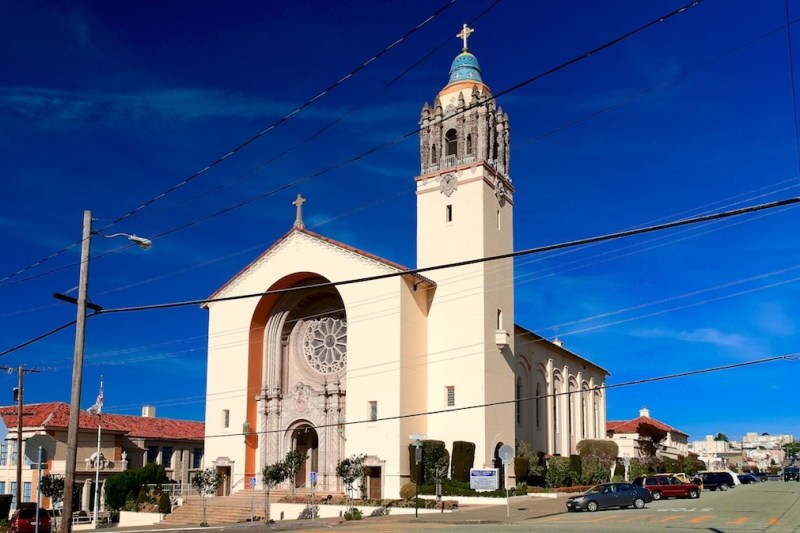
There is considerable cross-pollination among the neighborhoods as well, allowing for transitions and shared traditions (the annual gay parade, for instance, takes place downtown, on Market Street and in Civic Center, far from the Castro, and the yearly Bay to Breakers run cuts through numerous districts). Ethnic eateries dot most neighborhoods, and not always in line with the population: hence, you’ll find a Korean barbecue in Noe Valley, Thai food in the Mission, Chinese in North Beach, and Italian in the Sunset. Needless to say, churches and temples draw worshipers from various neighborhoods as well: Grace Cathedral on Nob Hill brings residents from all over the city, as does Congregation Emanu-El in the Inner Richmond.
Cultural Life
With such an educated population and a concentration of wealthy benefactors, it follows that San Francisco has developed a rich and varied arts and culture scene. Topping the list are its world-class symphony, opera, and ballet companies. Led by music director and principal conductor Michael Tilson Thomas (often said to be the greatest musical educator since Leonard Bernstein), the San Francisco Symphony draws high-caliber musicians, guest artists, and conductors from throughout the world, and its concerts are often sold out. San Francisco Opera also adds international luster to the performing arts, wooing marquee sopranos and tenors for extended runs in its fall and summer seasons. San Francisco Ballet, under Artistic Director and Principal Choreographer Helgi Tomasson, has assembled a multinational cast of principals and soloists, as well as corps dancers (many from the company’s school), who perform classical and modern works by a roster of leading choreographers.
Although live theater here suffers because high real-estate prices make venue rentals almost prohibitive, there are still important regional companies based in San Francisco, including the American Conservatory Theater (famous for turning out actors like Annette Bening, Denzel Washington, and Winona Ryder while premiering many new works on the West Coast) and the Magic Theater, which devotes itself to new works by emerging and established playwrights, including Sam Shepard. San Francisco also has its own brand of improv, in which full-evening works and even musicals are performed extemporaneously at various small theaters in town.
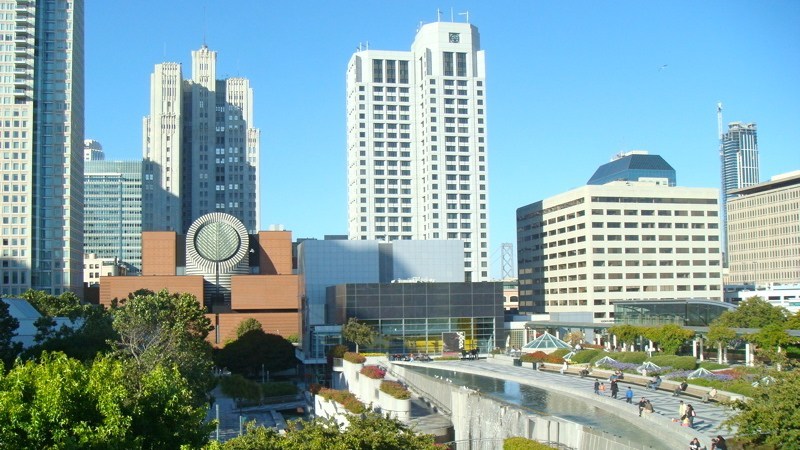
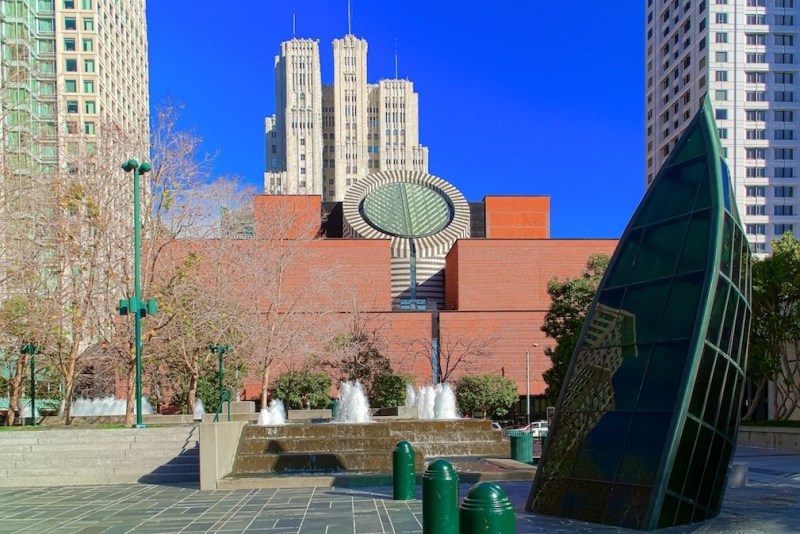
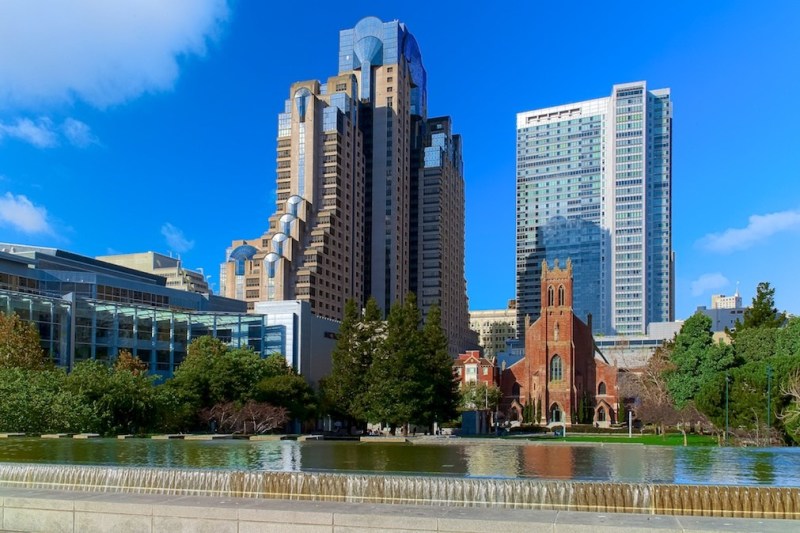
Five world-class museums each offer their particular collections—SFMOMA, with its works by 20th-century artists housed in the intriguing Mario Botta-designed “zebra dome” edifice in Yerba Buena and soon to include the collection of GAP Co-Founder Donald Fisher; the deYoung in Golden Gate Park, with its eclectic collection of American, African, and Pacific Island works; the California Palace of the Legion of Honor in Lincoln Park, which houses fine sculpture and pottery from European antiquity through the 19th century; the Asian Art Museum, designed by Gae Aulenti (famous for her work with the Musée d’Orsay in Paris) to fill the old main library building with an impressive cross-section of works from across Asia over the last 6,000 years; and the California Academy of Sciences, also located in Golden Gate Park, with its new building housing a tropical rainforest as well as an aquarium and planetarium.
There are also numerous community-centered museums and galleries, including the Mexican Museum and Contemporary Jewish Museum opposite Yerba Buena Gardens and exhibit spaces in the neighborhoods themselves (Galería de la Raza in the Mission, the Fine Museum in the Temple Emanu-El ). The Exploratorium, next to the Palace of Fine Arts in the Marina District, is an interactive science with many programs geared to schoolchildren.
The city’s vibrant pop- and rock-music scene is centered in a number of clubs in South of Market (Slim’s, Brainwash, Hotel Utah, Annie’s Social Club, DNA Lounge, 330 Ritch Street) and in the Mission District (Elbo Room, El Rio, Amnesia, Make-Out Room) with a few venues in the Fillmore (Boom Boom Room, the Fillmore) and on or around Polk Street (Red Devil Lounge, Hemlock Tavern, Great American Music Hall, Edinburgh Castle). Though the musical genres have come a long way since the Grateful Dead and Jefferson Airplane (with DJs rising in popularity, blending everything from disco and house to trance and techno), today’s “San Francisco Sound” is still very much live and in person.
Restaurants and Food
Known as a “foodie” town, San Francisco harbors hundreds of restaurants, many of them ethnic and a number of them ground-breakers in modern culinary trends, from Aziza (classic Moroccan with Mediterranean overtones) to Zuni (nouveau California, with an emphasis on fresh fish and grilled dishes). Because of the number of recent immigrants who now call San Francisco home, the city enjoys a wide variety of culinary styles, including Chinese (dim sum to Peking duck), Indian (tandoori to curries), Thai, Korean, Japanese, Mexican (especially taquerias), South American (from Peruvian to Brazilian), and an array of French and Italian restaurants, many of the latter in the Financial District or concentrated around North Beach, the traditional center of the city’s first Italian immigrants.
As with the eateries they flock to, San Franciscans also take pleasure in the number of groceries and fresh food outlets they can frequent, along with the array of unusual ingredients home chefs can choose from. With its weekly farmer’s markets at Ferry Plaza, United Nations Plaza, and Alemany Boulevard, many residents have taken to their kitchens with a passion, seeking out the best meats and produce along with cheeses, bread, and wines—obliged by small specialty food shops as well as bigger outlets like Real Food, Whole Foods, and Trader Joe’s. It all combines to create a food-oriented culture that is centered on dinner parties or going out to try the latest addition to eateries in the neighborhood, then recreating the experience at home.
Schools
Though San Francisco is not renowned for model public schools (it has struggled in the last decades with budget cuts and a shifting population of students, many of them underprivileged and speaking English as a second language), there are a number of notable exceptions, including Lowell High School (with its national reputation as a magnet for the college-bound) as well as exemplary elementary schools such as Claire Lilienthal, Alice Fong Yu, and Rooftop Academy. GreatSchools gives the city’s public schools overall a 6 out of 10 rating.
And although public schools leave something to be desired, the city is perhaps better represented by its private elementary and high schools, especially those centered on or near Pacific Heights: Town School and Stuart Hall (both for boys); Drew (coed); Sacred Heart (coed, Catholic)—the list goes on. As with most private schools in an environment that is increasingly deprived of government funding, the cost of a primary education can equal or top that of what colleges and universities charge (i.e., $30,000 a year).
Transit and Parking
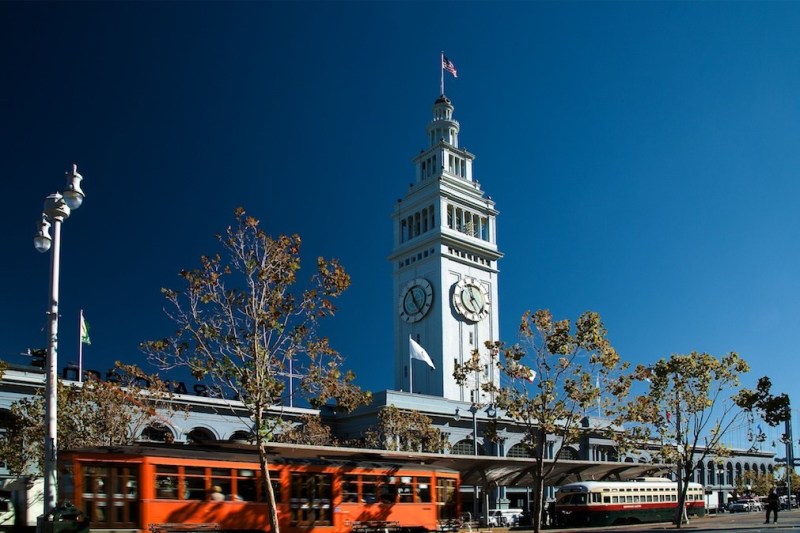
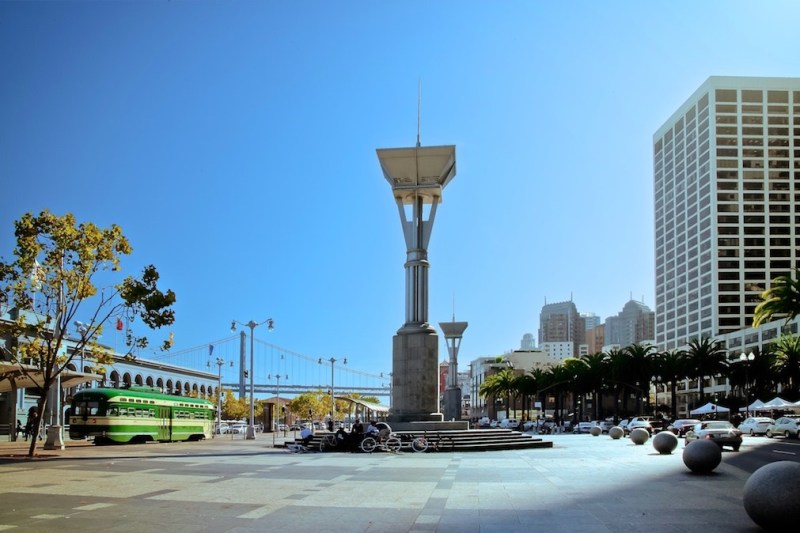
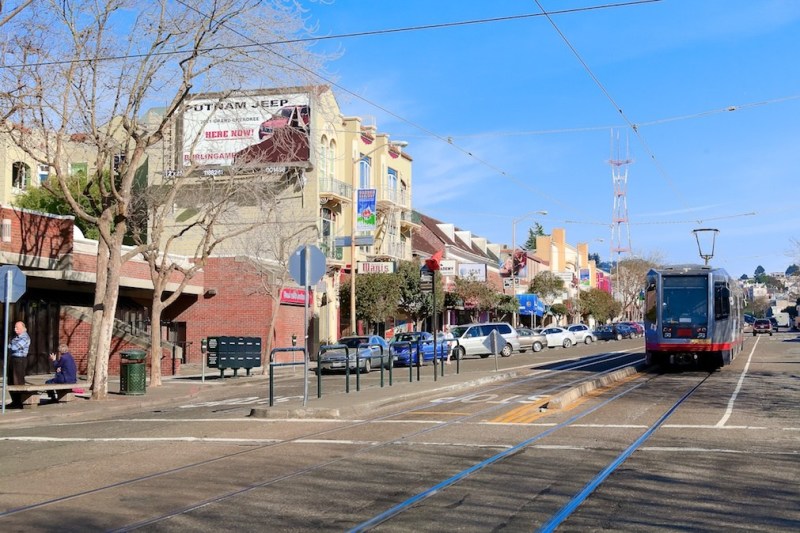
San Francisco has always been a city that needed to provide its citizens a means to scale the steep hills, and that legacy is evident today in the network of streetcars, buses, and subways that connect the various areas with each other. Though MUNI buses, the most common feature of the city-run public transit system, are often criticized for flouting their schedules and leaving many riders guessing when the next one might arrive, they are fairly consistent and get begrudgingly good marks from the ridership (as a recent MUNI-sponsored survey showed). The subway, which runs primarily along Market Street underground—mimicking BART, the regional train commuter system—is a vital key to attracting the large percentage of city residents who commute to work via public transportation. The historic cable cars (which run via a cable under the street) and streetcars (which run on tracks on the surface, powered by overhead electric lines) round out the transit options within the city proper.
BART, Golden Gate Transit (buses and ferries to Marin and Sonoma counties), and SamTrans (buses to San Mateo County) serve the city's travelers as well as commuters from around the Bay Area. San Francisco International Airport, located in San Mateo County, is the largest of the Bay Area airports, and can be accessed by BART as well as a number of local bus routes.
Because of the high population density and the number of residents who, despite public transportation options, use their cars to get around, parking in San Francisco can be difficult to nightmarish; fines for double-parking, parking in a bus zone, and overtime parking are steep, and can also result in expensive towing (nearly $300 alone, excluding the fine). Because of the difficulties of on-street parking for residents, the San Francisco Department of Parking and Traffic issues residential permits for $96 a year, enabling neighborhood residents to park their vehicles in time-limited zones without fear of being ticketed.
Crime
Although San Francisco has improved its record on violent crime in the last few years (assaults and sexual attacks are down, near or lower than the national average), homicides remain almost 50 percent higher than the national average, according to FBI crime reports. San Francisco has also seen a considerable uptick in the last few years of vehicle thefts, car break-ins, and burglaries and robberies. As can be expected, the number and frequency of crimes committed varies with the neighborhood and the demographics of its population; poorer areas tend to have a higher incidence of criminal activity.
Real estate:
San Francisco has weathered the recent economic downturn with its real estate market fairly intact. Though price depends to a great degree on the area in which a home is located, median sales prices are up by more than 7 percent since 2009, when the latest recession caused many listings to drop by as much as 20 percent, according to Trulia.com. The median home price in San Francisco, according to the online real-estate service, is still high, at $675,000, for an average two-bedroom, two-bathroom dwelling (both condo and single-family).
The rental market, after a small and short-lived dip, is also showing signs of resuming its recent robust pricing: according to Trulia, the average rent for a studio in San Francisco is $1,300 a month, with one- and two-bedrooms going for upward of $1,800. Again, location determines the bottom line, with units in high-density (and high-crime) areas going for less than more desirable, quiet neighborhoods.
Downsides
Not everything is bliss in San Francisco, of course. Trash is increasingly a problem as the city’s population expands and more residents crowd its streets and public spaces. The city’s Department of Public Works has attempted to alleviate the filth with highly efficient street sweepers and effective trash removal, but much of the problem is owing to increased pedestrian traffic and a commercial culture reliant on easily discarded packaging. The cost of living here is also high, as much as twice the national average, according to Sperling’s Best Places. But it’s a price many seem willing to pay, especially given the returns in higher wages and amenities like good public transit and easy access to recreation. And although everyone complains about the fog, it is true that some areas have it worse than others (travel east on Geary Boulevard from Ocean Beach to Union Square and you’ll get a crash course in the city’s fog zones). Still, for all of its drawbacks, the fog keeps the cool gray city of love air conditioned most days in the summer.
Many residents, native and newcomer alike, engage in the age-old pastime of complaining about how fast things change in this city, how quickly it moves from ideal to less-than-idyllic. That seems to be part of life here as well. As that former Chronicle scribe, Herb Caen, also wrote: “San Francisco isn't what it used to be, and it never was.”
That simple statement aptly summarizes the affection and high regard many residents and visitors hold for the City by the Bay. These 49 square miles of hill and valley and shore have commanded the attention not only of the state in which it was for many decades the most important city, but also the imagination of a nation that considers it both a point of departure (people come here looking to reinvent and rediscover themselves) and a point of no return (with the Golden Gate Bridge having the dubious distinction of being the No. 1 place to check out of this old world and into the great beyond).
What gives San Francisco its allure? The 50 or so hills on which it spreads, affording wow-inspiring views not only from the top but also from the bottom looking up? Its mix of low-slung Victorian buildings and modern architectural marvels? The cable cars and streetcars and ferries and other reminders of a more felicitous era in public transit? The area’s quirky sea-induced weather, which can vary by hour from misty to crystal clear to breezy then blustery, with the fog playing hide-and-seek all the while? Or, in spite of that persistent fog, the fact that it still averages 260 sunny days a year, no snow in the winter, and 20 to 22 inches of precipitation annually, 90 percent of which falls between mid-October and mid-April? Perhaps it’s the curiously laid-back yet politically engaged and diverse population, almost 45 percent of whom have college degrees? The fact that 60 percent of San Franciscans are single? The food-obsessed lifestyle, with nearly 3,000 restaurants—the most per capita of any U.S. city? The liberal politics that encourages tolerance of many ways of life? Or, on a more practical note, is it the resilient economy, with its banking and finance industry driving Web 2.0 entrepreneurs as well as biotechnology and biomedical research, bumping the median household income to more than $70,000 a year? Or is the attraction as simple as the beauty of the city’s setting, surrounded by bay and ocean on three sides, with glorious countryside, open space, and mountains beckoning a few miles away?
The People
However you explain its pull, San Francisco indeed induces many to come, most of them to visit (15 million a year, according to the city's Convention and Visitors Bureau) and a smaller number to stay and live here—population in the last decade has hovered near 800,000, with the U.S. Census Bureau estimating a 2009 total of about 815,000, including about 100,000 who moved to the city in the last five years.
Though San Francisco is a densely populated place, it is in fact not even in the top 10 nationwide, at No. 23 among specific areas (some located within municipal boundaries, like Manhattan) with high-density population--but still more packed with people per square mile than Chicago, Boston, and Philadelphia, according to the U.S. Census Bureau. It is the 14th most populous city in the United States, however, and the second most densely populated of U.S. cities among those with more than 200,000 residents ( New York City is first). The large number of foreign-born immigrants (about 36 percent of the total, according to the Census Bureau) gives the city its characteristic diversity; it is often referred to as a “minority-majority” city, with non-Hispanic whites making up less than half of the population. (Latinos—white or of any race—amount to 14 percent of the total.) Asians of any nationality comprise about 31 percent of the population, those born in China or of Chinese descent being the largest single ethnic group in San Francisco, at about 20 percent. But the city’s African-American population has declined for the last 40 years, from 13 percent in 1970 to 7 percent today.
The city contains a lower-than-average number of married people (40 percent) with the lowest percentage of children under 18 of any metropolis in the United States (about 15 percent). San Francisco also counts 15 percent of its total population as gays and lesbians, according to figures from a survey conducted by the UCLA School of Law. That figure—the highest percentage in the nation—helps explain the highest per-capita distribution of same-sex households here as well as the gay-friendly civic government and businesses.
The Politics
Numerous factors in San Francisco’s past—its anything-goes history in the Gold Rush and Barbary Coast days in the 1850s and ’60s; the influx of immigrants in the early- and mid-20th century; the strong unions that organized workers in the Depression and World War II; the cultural foment of the Beat Generation in the 1950s and the Summer of Love in 1967; the gay-rights movement of the 1970s; and the environmental and “green” revolutions of the 1980s and 1990s—have resulted in an overall liberal political climate in city governance and a general tolerance exhibited by most of the populace.
San Francisco is constituted as a consolidated city and county. The mayor serves as the county executive and heads other citywide elected and appointed officials, and the 11-member Board of Supervisors acts as both a county delegation as well as the city council. Under the city charter, these two branches are equal, with the mayor in charge of the day-to-day operations of the civic government, and the supervisors, led by a president, responsible for passing laws and budgets. The city is divided into 11 geographic districts, each of which is represented by one member of the board, who in turn reflects the demographics of his or her constituency, with more conservative districts traditionally located in the city’s western and southwestern areas.
The city has been solidly Democratic for the last half-century, with no Republican presidential candidate winning over the city’s electorate since Dwight Eisenhower in the 1950s. At present, most of the city is represented in Congress by Rep. Nancy Pelosi, the Speaker of the House of Representatives and the first woman to fill the post. This is not to suggest that San Francisco moves in liberal lockstep: the Byzantine nature of politics here, which tends to pit one interest group against another, frequently creates conflicts over development (particularly between downtown corporations and the neighborhoods) and the apportionment of city services (police and fire protection, public transit routes, and health care).
Despite the liberal veneer, many newcomers to the city marvel at apparent contradictions in freedoms. For instance, while some patently illegal activity (smoking marijuana for non-medical purposes) is mostly ignored by the authorities as well as the citizenry, other perfectly legal activity (smoking tobacco) is severely restricted (it’s prohibited indoors in public places, in parks, and in taxis) and frowned upon by the populace. Others, newbies and oldsters alike, also bristle at the enforced recycling policies of the city, where residents are required to sort from their trash such recoverable, renewable resources as paper, glass, aluminum, and plastic, and to place compostable items such as kitchen scraps, soiled paper, and garden waste in green containers. Though detested by some and embraced wholeheartedly by others, the policy has resulted in San Francisco leading the nation with the most waste recycled of any U.S. municipality—nearly 67 percent (according to SustainLane.com).
The embrace of diversity and tolerance is also contradicted by a strong not-in-my-backyard streak among many neighborhood groups, who shun further intrusion into their protected space by opposing most development (including, at times, affordable housing) on the grounds that it will interfere with their area’s historic significance or quality of life. The Board of Supervisors has historically issued strong growth-control laws as well, empowering the Planning Department to limit, curtail, and even refuse developments it considers inharmonious with the city’s planning code.
The Neighborhoods
It is often said that San Francisco is less a big city and more a collection of small ones, and surely its neighborhoods bear that out. They are among the most distinct in any urban area of the United States, reflecting not only the current residents but, thanks to the city’s active historic preservation groups, its past inhabitants and their buildings and cultural landmarks as well.
Many neighborhoods are formed by man-made boundaries—busy streets, a park, a famous monument. Others are delimited by natural boundaries—the crest of a hill or the hill itself, the slope of one of these hills versus its counterpart on the other side, even waterways like lakes and brackish creeks that empty into the bay. In still others, the definition of one place versus another is forever in flux: consider the inability of anyone to say exactly where Hayes Valley ends and the Lower Haight begins.
Fluid boundaries notwithstanding, San Francisco is a mosaic of different neighborhoods, each exhibiting its own flavor and character. Take the Mission District, an area that was settled in the late 19th century by European immigrants, the different groups bringing their commercial and social influences to the pockets where they clustered (trades, restaurants, churches, and clubs). Today, however, it has a decidedly Latino atmosphere, with Mission and Valencia streets crowded with stores and businesses catering to a Spanish-speaking clientele from Mexico as well as Central and South America. Likewise Chinatown: in a dark moment of the city’s 19th-century past, the Chinese Exclusion Act effectively sequestered Chinese residents on Grant Avenue and severely limited their freedoms to move outside the area and conduct business. Today, however, the infamous law receding into the past, the neighborhood has grown beyond the Grant Avenue tourist corridor to include large swaths abutting Nob Hill, North Beach, and Telegraph Hill, its vibrant shops, restaurants, and businesses catering to a new wave of Chinese immigrants.
Although ethnicity defines these two enclaves, most San Francisco neighborhoods are less influenced by race and culture and more by lifestyle. The Castro, for instance, is known worldwide as a gay mecca, while nearby Haight-Ashbury, famous for its 1960s hippie invasion, still attracts a considerable contingent of young people adhering to a similar sex-drugs-rock-’n’-roll philosophy. Noe Valley has its own counterculture family values, with high-tech millionaires pushing baby strollers next to designers, writers, and trades people of all types. And the Marina District pulls in both the young and well-heeled along with moneyed bankers and well-off retirees. From the well-to-do of Pacific Heights and Russian Hill to the down-to-earth of Bernal Heights and Bayview-Hunters Point, San Francisco still manages to accommodate all levels of the socio-economic stratum.
Newer areas like Mission Bay and older ones that have seen new life like South of Market (or SoMa, in real-estate parlance) are seen as more open to development and new industry. Hence, Mission Bay ’s satellite campus of UCSF and its many biotech firms, along with SoMa’s openness to multi-unit/multi-use housing developments and live/work lofts.
There is considerable cross-pollination among the neighborhoods as well, allowing for transitions and shared traditions (the annual gay parade, for instance, takes place downtown, on Market Street and in Civic Center, far from the Castro, and the yearly Bay to Breakers run cuts through numerous districts). Ethnic eateries dot most neighborhoods, and not always in line with the population: hence, you’ll find a Korean barbecue in Noe Valley, Thai food in the Mission, Chinese in North Beach, and Italian in the Sunset. Needless to say, churches and temples draw worshipers from various neighborhoods as well: Grace Cathedral on Nob Hill brings residents from all over the city, as does Congregation Emanu-El in the Inner Richmond.
Cultural Life
With such an educated population and a concentration of wealthy benefactors, it follows that San Francisco has developed a rich and varied arts and culture scene. Topping the list are its world-class symphony, opera, and ballet companies. Led by music director and principal conductor Michael Tilson Thomas (often said to be the greatest musical educator since Leonard Bernstein), the San Francisco Symphony draws high-caliber musicians, guest artists, and conductors from throughout the world, and its concerts are often sold out. San Francisco Opera also adds international luster to the performing arts, wooing marquee sopranos and tenors for extended runs in its fall and summer seasons. San Francisco Ballet, under Artistic Director and Principal Choreographer Helgi Tomasson, has assembled a multinational cast of principals and soloists, as well as corps dancers (many from the company’s school), who perform classical and modern works by a roster of leading choreographers.
Although live theater here suffers because high real-estate prices make venue rentals almost prohibitive, there are still important regional companies based in San Francisco, including the American Conservatory Theater (famous for turning out actors like Annette Bening, Denzel Washington, and Winona Ryder while premiering many new works on the West Coast) and the Magic Theater, which devotes itself to new works by emerging and established playwrights, including Sam Shepard. San Francisco also has its own brand of improv, in which full-evening works and even musicals are performed extemporaneously at various small theaters in town.
Five world-class museums each offer their particular collections—SFMOMA, with its works by 20th-century artists housed in the intriguing Mario Botta-designed “zebra dome” edifice in Yerba Buena and soon to include the collection of GAP Co-Founder Donald Fisher; the deYoung in Golden Gate Park, with its eclectic collection of American, African, and Pacific Island works; the California Palace of the Legion of Honor in Lincoln Park, which houses fine sculpture and pottery from European antiquity through the 19th century; the Asian Art Museum, designed by Gae Aulenti (famous for her work with the Musée d’Orsay in Paris) to fill the old main library building with an impressive cross-section of works from across Asia over the last 6,000 years; and the California Academy of Sciences, also located in Golden Gate Park, with its new building housing a tropical rainforest as well as an aquarium and planetarium.
There are also numerous community-centered museums and galleries, including the Mexican Museum and Contemporary Jewish Museum opposite Yerba Buena Gardens and exhibit spaces in the neighborhoods themselves (Galería de la Raza in the Mission, the Fine Museum in the Temple Emanu-El ). The Exploratorium, next to the Palace of Fine Arts in the Marina District, is an interactive science with many programs geared to schoolchildren.
The city’s vibrant pop- and rock-music scene is centered in a number of clubs in South of Market (Slim’s, Brainwash, Hotel Utah, Annie’s Social Club, DNA Lounge, 330 Ritch Street) and in the Mission District (Elbo Room, El Rio, Amnesia, Make-Out Room) with a few venues in the Fillmore (Boom Boom Room, the Fillmore) and on or around Polk Street (Red Devil Lounge, Hemlock Tavern, Great American Music Hall, Edinburgh Castle). Though the musical genres have come a long way since the Grateful Dead and Jefferson Airplane (with DJs rising in popularity, blending everything from disco and house to trance and techno), today’s “San Francisco Sound” is still very much live and in person.
Restaurants and Food
Known as a “foodie” town, San Francisco harbors hundreds of restaurants, many of them ethnic and a number of them ground-breakers in modern culinary trends, from Aziza (classic Moroccan with Mediterranean overtones) to Zuni (nouveau California, with an emphasis on fresh fish and grilled dishes). Because of the number of recent immigrants who now call San Francisco home, the city enjoys a wide variety of culinary styles, including Chinese (dim sum to Peking duck), Indian (tandoori to curries), Thai, Korean, Japanese, Mexican (especially taquerias), South American (from Peruvian to Brazilian), and an array of French and Italian restaurants, many of the latter in the Financial District or concentrated around North Beach, the traditional center of the city’s first Italian immigrants.
As with the eateries they flock to, San Franciscans also take pleasure in the number of groceries and fresh food outlets they can frequent, along with the array of unusual ingredients home chefs can choose from. With its weekly farmer’s markets at Ferry Plaza, United Nations Plaza, and Alemany Boulevard, many residents have taken to their kitchens with a passion, seeking out the best meats and produce along with cheeses, bread, and wines—obliged by small specialty food shops as well as bigger outlets like Real Food, Whole Foods, and Trader Joe’s. It all combines to create a food-oriented culture that is centered on dinner parties or going out to try the latest addition to eateries in the neighborhood, then recreating the experience at home.
Schools
Though San Francisco is not renowned for model public schools (it has struggled in the last decades with budget cuts and a shifting population of students, many of them underprivileged and speaking English as a second language), there are a number of notable exceptions, including Lowell High School (with its national reputation as a magnet for the college-bound) as well as exemplary elementary schools such as Claire Lilienthal, Alice Fong Yu, and Rooftop Academy. GreatSchools gives the city’s public schools overall a 6 out of 10 rating.
And although public schools leave something to be desired, the city is perhaps better represented by its private elementary and high schools, especially those centered on or near Pacific Heights: Town School and Stuart Hall (both for boys); Drew (coed); Sacred Heart (coed, Catholic)—the list goes on. As with most private schools in an environment that is increasingly deprived of government funding, the cost of a primary education can equal or top that of what colleges and universities charge (i.e., $30,000 a year).
Transit and Parking
San Francisco has always been a city that needed to provide its citizens a means to scale the steep hills, and that legacy is evident today in the network of streetcars, buses, and subways that connect the various areas with each other. Though MUNI buses, the most common feature of the city-run public transit system, are often criticized for flouting their schedules and leaving many riders guessing when the next one might arrive, they are fairly consistent and get begrudgingly good marks from the ridership (as a recent MUNI-sponsored survey showed). The subway, which runs primarily along Market Street underground—mimicking BART, the regional train commuter system—is a vital key to attracting the large percentage of city residents who commute to work via public transportation. The historic cable cars (which run via a cable under the street) and streetcars (which run on tracks on the surface, powered by overhead electric lines) round out the transit options within the city proper.
BART, Golden Gate Transit (buses and ferries to Marin and Sonoma counties), and SamTrans (buses to San Mateo County) serve the city's travelers as well as commuters from around the Bay Area. San Francisco International Airport, located in San Mateo County, is the largest of the Bay Area airports, and can be accessed by BART as well as a number of local bus routes.
Because of the high population density and the number of residents who, despite public transportation options, use their cars to get around, parking in San Francisco can be difficult to nightmarish; fines for double-parking, parking in a bus zone, and overtime parking are steep, and can also result in expensive towing (nearly $300 alone, excluding the fine). Because of the difficulties of on-street parking for residents, the San Francisco Department of Parking and Traffic issues residential permits for $96 a year, enabling neighborhood residents to park their vehicles in time-limited zones without fear of being ticketed.
Crime
Although San Francisco has improved its record on violent crime in the last few years (assaults and sexual attacks are down, near or lower than the national average), homicides remain almost 50 percent higher than the national average, according to FBI crime reports. San Francisco has also seen a considerable uptick in the last few years of vehicle thefts, car break-ins, and burglaries and robberies. As can be expected, the number and frequency of crimes committed varies with the neighborhood and the demographics of its population; poorer areas tend to have a higher incidence of criminal activity.
Real estate:
San Francisco has weathered the recent economic downturn with its real estate market fairly intact. Though price depends to a great degree on the area in which a home is located, median sales prices are up by more than 7 percent since 2009, when the latest recession caused many listings to drop by as much as 20 percent, according to Trulia.com. The median home price in San Francisco, according to the online real-estate service, is still high, at $675,000, for an average two-bedroom, two-bathroom dwelling (both condo and single-family).
The rental market, after a small and short-lived dip, is also showing signs of resuming its recent robust pricing: according to Trulia, the average rent for a studio in San Francisco is $1,300 a month, with one- and two-bedrooms going for upward of $1,800. Again, location determines the bottom line, with units in high-density (and high-crime) areas going for less than more desirable, quiet neighborhoods.
Downsides
Not everything is bliss in San Francisco, of course. Trash is increasingly a problem as the city’s population expands and more residents crowd its streets and public spaces. The city’s Department of Public Works has attempted to alleviate the filth with highly efficient street sweepers and effective trash removal, but much of the problem is owing to increased pedestrian traffic and a commercial culture reliant on easily discarded packaging. The cost of living here is also high, as much as twice the national average, according to Sperling’s Best Places. But it’s a price many seem willing to pay, especially given the returns in higher wages and amenities like good public transit and easy access to recreation. And although everyone complains about the fog, it is true that some areas have it worse than others (travel east on Geary Boulevard from Ocean Beach to Union Square and you’ll get a crash course in the city’s fog zones). Still, for all of its drawbacks, the fog keeps the cool gray city of love air conditioned most days in the summer.
Many residents, native and newcomer alike, engage in the age-old pastime of complaining about how fast things change in this city, how quickly it moves from ideal to less-than-idyllic. That seems to be part of life here as well. As that former Chronicle scribe, Herb Caen, also wrote: “San Francisco isn't what it used to be, and it never was.”
Recommended for
- Professionals
- Singles
- Families with kids
- Retirees
San Francisco
rating details
2yrs+
- Neighborly Spirit
- Safe & Sound
- Clean & Green
- Peace & Quiet
- Eating Out
- Nightlife
- Parks & Recreation
- Shopping Options
- Gym & Fitness
- Internet Access
- Lack of Traffic
- Parking
- Cost of Living
- Public Transport
"A bright and fun city, with a big price tag"
I went to college in San Fran (SF State University), and living there was awesome. I decided to move to Seattle a while after graduating for a change of scenery, but I’d totally live there again.
The LGBTQ scene is obviously amazing in SF. It’s different than Seattle though. It’s more about status and looks (though Seattle has that too). Lots of clubs have dress codes, for example, which is pretty rare in Seattle. But the scene is just so BIG that you can find something that is your style no matter what. Plus, Pride Parade is amazing. There’s nothing that compares to it. I go back every year just for the party haha!
One of the reasons I moved was because rent was SO high in San Fran. I didn’t like having to share an apartment, but there was literally no other option for someone on a salary just out of college. Even a small shared apartment in an older building ate up most of my income, and I wasn’t even living on Russian Hill or anything! Seattle’s not that much better, but at least I can afford my own place. If I did move to SF again, I would try to find something on Nob Hill, which has so much happening. Some of it is a bit grimy, but parts are really artistic and fun. Though realistically, I would probably have to share an apartment again though, or move further out of the city center.
There is a decent amount of interesting running trails close to San Fran. The #1 favorite run for most people (not me) is Crissy Fields to Hopper’s Hands. This goes from Golden Gate Bridge on a flat trail east along the bay. I don’t like it because it’s too crowded. You can also put in a few good miles at Golden Gate Park, but you’re going to be dodging walkers the whole time. It’s a good option for after work when you don’t want to drive anywhere though, because it can take some time to get out to the hills, since the city is on a peninsula.
I have to say though, once you DO get out in the hills, San Fran has amazing nearby trail running with *views*.
Marin Headlands is definitely in my top 5. It’s a challenging 8.4 miles, and you have a ton of elevation change in that. But you have amazing views most of the time, to distract you from the pain haha. Also, it’s a loop, so you don’t have to double back over any terrain, which is sweet.
My other favorite is the Mt. Tamalpais loop, aka northside loop. It’s very similar in length and difficulty to Marin Headlands, but you’re literally running around a mountain, so afterwards you feel like you kicked a*s. And again, dope views. Plus, sometimes it is high enough to get out of the notorious San Francisco fog that socks in the city so often. Once you come up out of those clouds into the sun, it feels amazing.
The other thing I miss about SF are some of my favorite restaurants and cafes. Zarzuela on Russian Hill is SO good! There are really too many amazing restaurants in the city to list them. Each neighborhood has it’s favorite haunts. I don’t know the exact numbers, but there seems to be more restaurants than in Seattle, for the size of the city. And the standards were really high as well. Probably because there’s so much competition!
The LGBTQ scene is obviously amazing in SF. It’s different than Seattle though. It’s more about status and looks (though Seattle has that too). Lots of clubs have dress codes, for example, which is pretty rare in Seattle. But the scene is just so BIG that you can find something that is your style no matter what. Plus, Pride Parade is amazing. There’s nothing that compares to it. I go back every year just for the party haha!
One of the reasons I moved was because rent was SO high in San Fran. I didn’t like having to share an apartment, but there was literally no other option for someone on a salary just out of college. Even a small shared apartment in an older building ate up most of my income, and I wasn’t even living on Russian Hill or anything! Seattle’s not that much better, but at least I can afford my own place. If I did move to SF again, I would try to find something on Nob Hill, which has so much happening. Some of it is a bit grimy, but parts are really artistic and fun. Though realistically, I would probably have to share an apartment again though, or move further out of the city center.
There is a decent amount of interesting running trails close to San Fran. The #1 favorite run for most people (not me) is Crissy Fields to Hopper’s Hands. This goes from Golden Gate Bridge on a flat trail east along the bay. I don’t like it because it’s too crowded. You can also put in a few good miles at Golden Gate Park, but you’re going to be dodging walkers the whole time. It’s a good option for after work when you don’t want to drive anywhere though, because it can take some time to get out to the hills, since the city is on a peninsula.
I have to say though, once you DO get out in the hills, San Fran has amazing nearby trail running with *views*.
Marin Headlands is definitely in my top 5. It’s a challenging 8.4 miles, and you have a ton of elevation change in that. But you have amazing views most of the time, to distract you from the pain haha. Also, it’s a loop, so you don’t have to double back over any terrain, which is sweet.
My other favorite is the Mt. Tamalpais loop, aka northside loop. It’s very similar in length and difficulty to Marin Headlands, but you’re literally running around a mountain, so afterwards you feel like you kicked a*s. And again, dope views. Plus, sometimes it is high enough to get out of the notorious San Francisco fog that socks in the city so often. Once you come up out of those clouds into the sun, it feels amazing.
The other thing I miss about SF are some of my favorite restaurants and cafes. Zarzuela on Russian Hill is SO good! There are really too many amazing restaurants in the city to list them. Each neighborhood has it’s favorite haunts. I don’t know the exact numbers, but there seems to be more restaurants than in Seattle, for the size of the city. And the standards were really high as well. Probably because there’s so much competition!
Pros
- Nearby trail running
- LGBTQ scene
- Great restaurants
Cons
- Overpriced
- Extremely high rent
Recommended for
- Professionals
- Singles
- Families with kids
- Retirees
- Tourists
- LGBT+
- Hipsters
- Students
- Trendy & Stylish
- Beach Lovers
San Francisco

rating details
2yrs+
- Neighborly Spirit
- Safe & Sound
- Clean & Green
- Peace & Quiet
- Eating Out
- Nightlife
- Parks & Recreation
- Shopping Options
- Lack of Traffic
- Parking
- Cost of Living
- Public Transport
"West coast hub for tech, finance, and LGBTQ culture"
People come to San Francisco from all over the country and the world for the tech, finance, and business communities, the LGBTQ scene, and that Cali vibe.
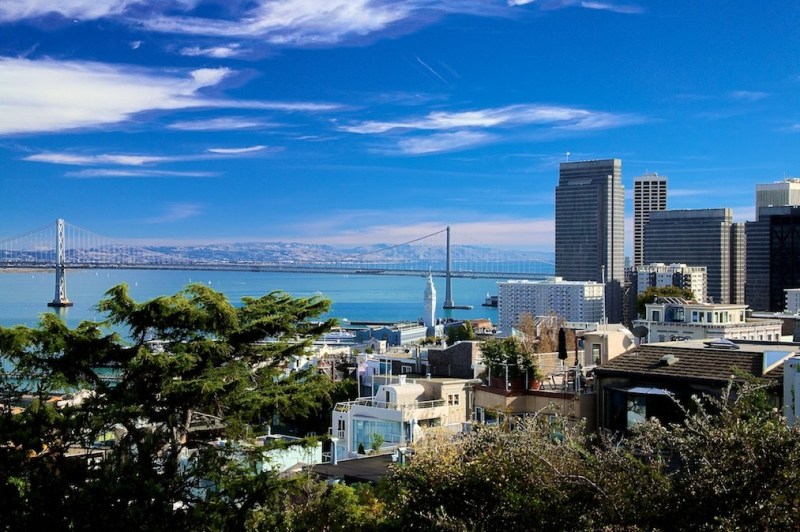
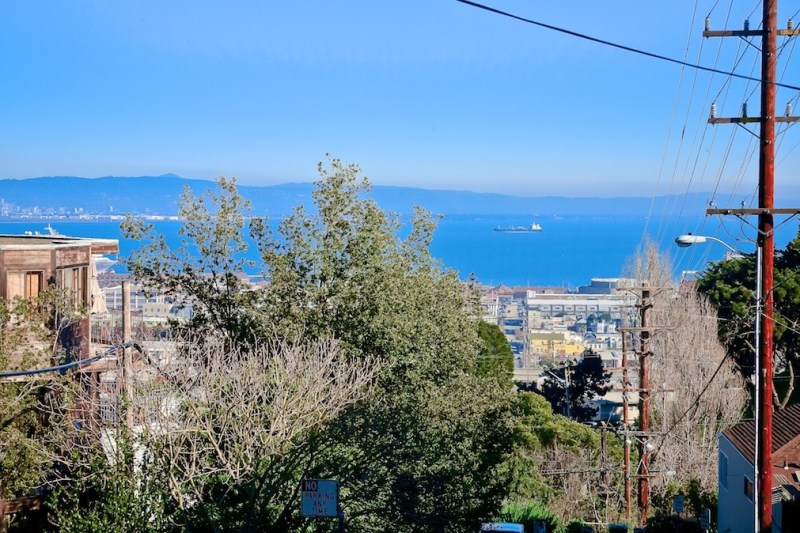
The city itself makes up the end of the San Francisco Peninsula, connected to the north by the famous Golden Gate Bridge. To the west is the Pacific Ocean, and to the east is the Bay, protected by the peninsula.
COST OF LIVING
It can’t be avoided, we’ve got to start with the fact that SF is one of the most expensive places to live in the country. It all starts with the cost of rent. It’s absolutely ridiculous. Everyone in San Fran knows it, but puts up with it because they love the city so much. Small studios start at $1800/month and it only goes up from there. Minimum wage workers don’t really stand a chance at having their own place.
Part of the reason it’s so expensive is because SF is the second most densely populated city in the country, second only to Manhattan in NYC. That means that much of the city is made of multi-unit apartment and condo buildings, with very few able to afford single-family homes.
PARKS
Despite the density, San Fran has some huge parks. There’s the 1,000 acre Golden Gate Park that is full of walking paths and even a lake. It’s has tons of activities like exercise classes, canoeing, archery, Frisbee golf, and of course lots of bikers and runners. It leads you all the way to Ocean Beach, one of the city’s iconic sandy beaches where you can swim.
Baker Beach is another good swimming option. It’s a clothing-optional beach though, so you can’t say no one warned you! A (clothing not-optional) alternative is China Beach aka East Beach. It has plenty of shallows for wading, and picnic and bbq equipment. It’s a bit warmer than the other two because it’s on the Bay side, rather than the ocean side. Both Baker and China Beach are part of the Presidio, another huge park that sits at the north edge of the city where the Bay spills in to the Pacific Ocean underneath the Golden Gate Bridge.
WEATHER
Before you book your beach vacation though, you should know that it doesn’t actually get that hot in SF. You’ll get a few sweaty days, but for the most part it’s very mild. The summers tend to be dry, but rarely get over 80 degrees. The rest of the year is wetter and cooler, with about 73 days of rain per year, compared to 260 clear days and just over 100 days with clouds. The city is also well-known for it’s fog, which can sock the city in a cold mist that brings a chill even in summer.
ECONOMY
This city runs on tech and finance, with a big dash of tourism to keep the coffers full. This means that the population overall is very highly educated. It also means that income levels are above average, which is part of what keeps rent extremely high (alongside the density).
TRANSPORTATION
For the US, San Francisco has excellent public transportation. Between buses, street cars, light rail, and subway, including an underwater tube that takes people in and out of the city from the east side of the bay, a lot of people get around without driving. It also has two nearby airports.
CULTURE:
This is one of the big draws to the city, and why so many people stay. SF has a really unique culture that is constantly evolving. It manages to combine the innovation and flash of the wealthy tech world with the laid back nature of a west coast town, with political liberalism and an internationally-known, thriving LGBTQ community. With all of this, and the fact that it has over 850,0000 residents, many residential parts of the city maintain a down to earth neighborhood feel.
The city itself makes up the end of the San Francisco Peninsula, connected to the north by the famous Golden Gate Bridge. To the west is the Pacific Ocean, and to the east is the Bay, protected by the peninsula.
COST OF LIVING
It can’t be avoided, we’ve got to start with the fact that SF is one of the most expensive places to live in the country. It all starts with the cost of rent. It’s absolutely ridiculous. Everyone in San Fran knows it, but puts up with it because they love the city so much. Small studios start at $1800/month and it only goes up from there. Minimum wage workers don’t really stand a chance at having their own place.
Part of the reason it’s so expensive is because SF is the second most densely populated city in the country, second only to Manhattan in NYC. That means that much of the city is made of multi-unit apartment and condo buildings, with very few able to afford single-family homes.
PARKS
Despite the density, San Fran has some huge parks. There’s the 1,000 acre Golden Gate Park that is full of walking paths and even a lake. It’s has tons of activities like exercise classes, canoeing, archery, Frisbee golf, and of course lots of bikers and runners. It leads you all the way to Ocean Beach, one of the city’s iconic sandy beaches where you can swim.
Baker Beach is another good swimming option. It’s a clothing-optional beach though, so you can’t say no one warned you! A (clothing not-optional) alternative is China Beach aka East Beach. It has plenty of shallows for wading, and picnic and bbq equipment. It’s a bit warmer than the other two because it’s on the Bay side, rather than the ocean side. Both Baker and China Beach are part of the Presidio, another huge park that sits at the north edge of the city where the Bay spills in to the Pacific Ocean underneath the Golden Gate Bridge.
WEATHER
Before you book your beach vacation though, you should know that it doesn’t actually get that hot in SF. You’ll get a few sweaty days, but for the most part it’s very mild. The summers tend to be dry, but rarely get over 80 degrees. The rest of the year is wetter and cooler, with about 73 days of rain per year, compared to 260 clear days and just over 100 days with clouds. The city is also well-known for it’s fog, which can sock the city in a cold mist that brings a chill even in summer.
ECONOMY
This city runs on tech and finance, with a big dash of tourism to keep the coffers full. This means that the population overall is very highly educated. It also means that income levels are above average, which is part of what keeps rent extremely high (alongside the density).
TRANSPORTATION
For the US, San Francisco has excellent public transportation. Between buses, street cars, light rail, and subway, including an underwater tube that takes people in and out of the city from the east side of the bay, a lot of people get around without driving. It also has two nearby airports.
CULTURE:
This is one of the big draws to the city, and why so many people stay. SF has a really unique culture that is constantly evolving. It manages to combine the innovation and flash of the wealthy tech world with the laid back nature of a west coast town, with political liberalism and an internationally-known, thriving LGBTQ community. With all of this, and the fact that it has over 850,0000 residents, many residential parts of the city maintain a down to earth neighborhood feel.
Pros
- Big parks
- Great mix of cultures
- Great restaurants
Cons
- Extremely high rent
- Overpriced
Recommended for
- Professionals
- LGBT+
- Trendy & Stylish
- Beach Lovers
San Francisco

rating details
2yrs+
- Neighborly Spirit
- Clean & Green
- Peace & Quiet
- Eating Out
- Nightlife
- Shopping Options
- Gym & Fitness
- Lack of Traffic
- Parking
- Cost of Living
- Public Transport
"Something Different"
Unlike other neighborhoods that are ubiquitous in other cities (Chinatown, Little Italy, etc.), Japantown has its own unique flavor that is not quite Japan, but not quite San Francisco. Located next to downtown SF, it definitely has a more businesslike feel than one may expect, but it definitely lives up to its name.
With the adjacent Japan Center and Nihonmachi Shopping Centers as one of the main attractions in the neighborhood, it certainly lives up to its name. Sushi and other Japanese restaurants are the only eateries available, and the population appears to match the location. It feels more like the Asian shopping centers that I have seen in Australia than similar ones that I have been to in other parts of the U.S.
The neighborhood is very clean and there are few tourists around. The Kabuki Movie Theater is a San Francisco icon, so long as you don't mind paying a few extra dollars for guaranteed assigned seating and the privilege of drinking beer during your movie. Parking is overpriced in the connecting garage, but hey, let's not forget that we're in San Francisco.
With the adjacent Japan Center and Nihonmachi Shopping Centers as one of the main attractions in the neighborhood, it certainly lives up to its name. Sushi and other Japanese restaurants are the only eateries available, and the population appears to match the location. It feels more like the Asian shopping centers that I have seen in Australia than similar ones that I have been to in other parts of the U.S.
The neighborhood is very clean and there are few tourists around. The Kabuki Movie Theater is a San Francisco icon, so long as you don't mind paying a few extra dollars for guaranteed assigned seating and the privilege of drinking beer during your movie. Parking is overpriced in the connecting garage, but hey, let's not forget that we're in San Francisco.
Pros
- Great Japanese food
- Good movie theater
- Central location in San Francisco
Cons
- Terrible parking
- Overpriced
Recommended for
- Professionals
- Singles
- Families with kids
- Tourists
- LGBT+
- Hipsters
- Students
- Trendy & Stylish
San Francisco

rating details
2yrs+
- Neighborly Spirit
- Safe & Sound
- Clean & Green
- Pest Free
- Peace & Quiet
- Eating Out
- Nightlife
- Parks & Recreation
- Shopping Options
- Gym & Fitness
- Internet Access
- Lack of Traffic
- Cost of Living
- Resale or Rental Value
- Public Transport
- Medical Facilities
- Schools
- Childcare
"A culinary delight in California"
San Francisco is the best city in California because not only is it culturally diverse in people but also in food. It's not overly polluted on congested like Los Angeles. It does have its fair share of traffic, but still not as bad as Los Angeles. Plus the proximity of San Francisco to Napa Valley - another culinary gem, leaves your mouth watering. With top chefs (literally Top Chef contestants) located in every neighborhood, you are always sure to find good varietal cuisine.
San Francisco embraces not only the tourists but provides for the locals with festivals, street fairs and movies in the parks.
The city is only 7x7 miles yet it seems a whole lot bigger. It's a walkable city, by that I mean that it is easy to get around if you don't have a car. There are trolleys, streetcars, taxis, buses, rickshaws and trains. Sure there are hills, but that's what keeps the people of San Francisco healthy by getting their exercise walking up those hills. Some are steeper than others, but for the most part, every hill is worth the climb for what you find on the other side of it.
The weather is fantastic is September and October - almost paradise. June, July and August can be pretty cold. November and December are more "Fall" like and January through March are mostly rainy. April and May can be mildly warm, but resemble a typical Spring anywhere. The weather in San Francisco is made for layering. Not all parts of the city get as much sun as the others so it's best to always pack a jacket or sweater.
The best neighborhoods to visit are: North Beach, Marina, Cow Hollow, Embarcadero, Mission, Hayes Valley, Chinatown. (all tourists, especially if you have kids, must go to Fisherman's Wharf because it's sacrilegious if you don't). If you're gay, you need to go to the Castro. If you like to shop, Union Square (similar to Times Square) is a must. If you are a product of the 60's then you'll probably want to go visit the Haight. If you are here on business, then go to the Ferry Building.
The point is that there is something for everyone to do and see in the city. Whether you have kids, exploring via backpack or here for business. It's FANTASTIC!
San Francisco embraces not only the tourists but provides for the locals with festivals, street fairs and movies in the parks.
The city is only 7x7 miles yet it seems a whole lot bigger. It's a walkable city, by that I mean that it is easy to get around if you don't have a car. There are trolleys, streetcars, taxis, buses, rickshaws and trains. Sure there are hills, but that's what keeps the people of San Francisco healthy by getting their exercise walking up those hills. Some are steeper than others, but for the most part, every hill is worth the climb for what you find on the other side of it.
The weather is fantastic is September and October - almost paradise. June, July and August can be pretty cold. November and December are more "Fall" like and January through March are mostly rainy. April and May can be mildly warm, but resemble a typical Spring anywhere. The weather in San Francisco is made for layering. Not all parts of the city get as much sun as the others so it's best to always pack a jacket or sweater.
The best neighborhoods to visit are: North Beach, Marina, Cow Hollow, Embarcadero, Mission, Hayes Valley, Chinatown. (all tourists, especially if you have kids, must go to Fisherman's Wharf because it's sacrilegious if you don't). If you're gay, you need to go to the Castro. If you like to shop, Union Square (similar to Times Square) is a must. If you are a product of the 60's then you'll probably want to go visit the Haight. If you are here on business, then go to the Ferry Building.
The point is that there is something for everyone to do and see in the city. Whether you have kids, exploring via backpack or here for business. It's FANTASTIC!
Pros
- Great restaurants
- Great shopping
- Great mix of cultures
Recommended for
- Professionals
- Singles
- Families with kids
- Retirees
- Tourists
- LGBT+
- Hipsters
- Trendy & Stylish
San Francisco

rating details
2yrs+
- Neighborly Spirit
- Safe & Sound
- Clean & Green
- Pest Free
- Peace & Quiet
- Eating Out
- Nightlife
- Parks & Recreation
- Shopping Options
- Gym & Fitness
- Internet Access
- Lack of Traffic
"Having a blast visiting The City by the Bay"
First time visitor to San Fran and I'm having a blast :) I'm staying downtown in the Financial District and have gone out on the Bay and checked out The 'Rock and the Golden Gate Bridge which was really great to finally see :) Love the backstory behind both landmarks :)
After spending some time on the Bay we've checked out the Fisherman's Warf - a tourist mecca for the City. Lots of colourful people and shops - not too bad :)
Next up - hitting Union Square to do some long awaited shopping :) It was exciting to hit the big Mall's to find some great shopping for labels like CK, Ralph Lauren, etc. Me == one happy camper!
Finally, we ended up at some really nice cafe called Globe which served food until 1am - just what we like and wanted :) Food was also surpurb!
So -- first few days here in San Fran have been really good -- looking forward to the next few :)
After spending some time on the Bay we've checked out the Fisherman's Warf - a tourist mecca for the City. Lots of colourful people and shops - not too bad :)
Next up - hitting Union Square to do some long awaited shopping :) It was exciting to hit the big Mall's to find some great shopping for labels like CK, Ralph Lauren, etc. Me == one happy camper!
Finally, we ended up at some really nice cafe called Globe which served food until 1am - just what we like and wanted :) Food was also surpurb!
So -- first few days here in San Fran have been really good -- looking forward to the next few :)
Recommended for
- Professionals
- Singles
- Families with kids
San Francisco

rating details
2yrs+
- Neighborly Spirit
- Safe & Sound
- Clean & Green
- Pest Free
- Peace & Quiet
- Eating Out
- Nightlife
- Parks & Recreation
- Shopping Options
- Gym & Fitness
- Internet Access
- Lack of Traffic
- Cost of Living
- Resale or Rental Value
- Public Transport
- Medical Facilities
- Schools
- Childcare
"No Puns in this Haight Review"
Haight changes with age. My age, that is. In high school, trips to the city were all about how much adult-free time my friends and I could successfully plead for in order to walk the Haight, smell the smells, and gawk at the scruffy "hot guys". In college, the search was on for second hand clothes and the cheapest possible food. A burrito place fit the bill twenty years ago, but it probably didn't meet the health code and despite the hippy vibe and longtime popularity of a vegetarian diet, the new Mexican in Haight Ashbury is arguably a better fit for Haight than the places of old.
Lots of vegetarian, totally sustainable operations, and the same cheap eats are the magic blend at Napolito's. I am a masa freak. Okay, there. I've said it. Polenta, grits, masa, anything with ground up corn and Napolitos grinds their own organic corn for the best masa ever. The tamale I love (it has a crazy long name) is only four or five bucks and the empanada is my second fave. Napolito's is on Broderick and Oak, a block east of the Panhandle.
As for shopping, there are more expensive boutiques and fewer second hand places. And I am more in the home decor phase than the buy-someone-else's jeans phase. Hence, I would encourage you to check out Xapno's on Haight and Prairie Collective on Divisadero. Beautifully unique gifty items, clothes, flowers, pillows, picture games, handmade candles.
Walking the streets, Haight retains its old charm, which isn't so charming to some. But I think if you have an open heart, refrain from judgment, and treat people with unmitigated politeness, you will find that they will do the same. I am glad the the powers that be backed off of their recent attempt to pass a law preventing people from laying and sitting on the streets. Haight is for everyone. That's its history and its present.
Lots of vegetarian, totally sustainable operations, and the same cheap eats are the magic blend at Napolito's. I am a masa freak. Okay, there. I've said it. Polenta, grits, masa, anything with ground up corn and Napolitos grinds their own organic corn for the best masa ever. The tamale I love (it has a crazy long name) is only four or five bucks and the empanada is my second fave. Napolito's is on Broderick and Oak, a block east of the Panhandle.
As for shopping, there are more expensive boutiques and fewer second hand places. And I am more in the home decor phase than the buy-someone-else's jeans phase. Hence, I would encourage you to check out Xapno's on Haight and Prairie Collective on Divisadero. Beautifully unique gifty items, clothes, flowers, pillows, picture games, handmade candles.
Walking the streets, Haight retains its old charm, which isn't so charming to some. But I think if you have an open heart, refrain from judgment, and treat people with unmitigated politeness, you will find that they will do the same. I am glad the the powers that be backed off of their recent attempt to pass a law preventing people from laying and sitting on the streets. Haight is for everyone. That's its history and its present.
Recommended for
- Singles
San Francisco

rating details
2yrs+
- Neighborly Spirit
- Safe & Sound
- Clean & Green
- Pest Free
- Peace & Quiet
- Eating Out
- Nightlife
- Parks & Recreation
- Shopping Options
- Gym & Fitness
- Internet Access
- Lack of Traffic
- Cost of Living
- Resale or Rental Value
- Public Transport
- Medical Facilities
- Schools
- Childcare
"There's a reason people move here from all over the world"
Recommended for
- Professionals
- Singles
- Families with kids
- Retirees
San Francisco

rating details
2yrs+
- Neighborly Spirit
- Peace & Quiet
- Eating Out
- Nightlife
- Shopping Options
- Gym & Fitness
San Francisco
rating details
2yrs+
- Neighborly Spirit
- Safe & Sound
- Clean & Green
- Pest Free
- Peace & Quiet
- Eating Out
- Nightlife
- Parks & Recreation
- Shopping Options
- Gym & Fitness
- Internet Access
- Lack of Traffic
- Cost of Living
- Resale or Rental Value
- Public Transport
- Medical Facilities
- Schools
- Childcare
"SF is the best place to live"
it is a great place to live in and dine at.
it has great people and everything as well.
it has great people and everything as well.
Recommended for
- Families with kids
San Francisco

rating details
2yrs+
- Neighborly Spirit
- Safe & Sound
- Clean & Green
- Pest Free
- Peace & Quiet
- Eating Out
- Nightlife
- Parks & Recreation
- Shopping Options
- Gym & Fitness
- Internet Access
- Lack of Traffic
- Cost of Living
- Resale or Rental Value
- Public Transport
- Medical Facilities
- Schools
- Childcare
"San Francisco ROCKS!!!"
San Francisco has been my home away from home for over two years now and I have never looked back. Since falling in love with SF I really can't think of a better place with more rolled into one little city. I was a little unsure about SF at first, especially with so many people talking about the home less problem, but after a few months, you learn there is so much to offer:
Cultural experience - I've never really been big into things like this as I am more technically minded, but after spending so much time around Chinatown (especially for dinners) I have come to love and appreciate what the experience of other cultures gives you. In fact I have a much greater desire to travel the world because of it.
The People - ARE SO NICE HERE!! I think they are all on happy pills or something.
The Opportunities - Being the 'tech' center of the universe, I have had some amazing opportunities...not to mention some of the people I have met in the tech field.
The Weather - Sure it can be sucky, but those glorious mornings looking into the bay as the fog rolls in, and then is broken up by the sun blasting the water is priceless.
The Social Scene - Well, it's amazing. So many like minded people are here in San Francisco, and I've never had so many parties, so many picnics with friends, so many great nights.
So if you are looking for a great city to live, these are my experiences from someone who has only been around for about 2 years, but I can't think of a better place to call home!!
AJ
Cultural experience - I've never really been big into things like this as I am more technically minded, but after spending so much time around Chinatown (especially for dinners) I have come to love and appreciate what the experience of other cultures gives you. In fact I have a much greater desire to travel the world because of it.
The People - ARE SO NICE HERE!! I think they are all on happy pills or something.
The Opportunities - Being the 'tech' center of the universe, I have had some amazing opportunities...not to mention some of the people I have met in the tech field.
The Weather - Sure it can be sucky, but those glorious mornings looking into the bay as the fog rolls in, and then is broken up by the sun blasting the water is priceless.
The Social Scene - Well, it's amazing. So many like minded people are here in San Francisco, and I've never had so many parties, so many picnics with friends, so many great nights.
So if you are looking for a great city to live, these are my experiences from someone who has only been around for about 2 years, but I can't think of a better place to call home!!
AJ
Pros
- Great mix of cultures
Cons
- Some people can be a little snobby
Recommended for
- Professionals
- Singles
- Families with kids
- Tourists
- LGBT+
- Hipsters
- Students
- Trendy & Stylish
San Francisco
rating details
2yrs+
- Neighborly Spirit
- Safe & Sound
- Clean & Green
- Pest Free
- Peace & Quiet
- Eating Out
- Nightlife
- Parks & Recreation
- Shopping Options
- Gym & Fitness
- Internet Access
- Lack of Traffic
- Cost of Living
- Resale or Rental Value
- Public Transport
- Medical Facilities
- Schools
- Childcare
"My heart belongs to SF"
I love San Francisco and although I no longer live there it is the BEST city out there. I've been to many large cities and small towns all over the US and there's nothing that comes close to SF. Downtown and the Wharf can be a little annoying because of all the tourists but it's the price you pay for such a wonderful city.
Recommended for
- Professionals
- Singles
- Families with kids
San Francisco

rating details
2yrs+
- Neighborly Spirit
- Safe & Sound
- Clean & Green
- Pest Free
- Peace & Quiet
- Eating Out
- Nightlife
- Parks & Recreation
- Shopping Options
- Gym & Fitness
- Internet Access
- Lack of Traffic
- Cost of Living
- Resale or Rental Value
- Public Transport
- Medical Facilities
- Schools
- Childcare
"The Best of Both Worlds"
San Francisco- diverse, gorgeous, easy to love, and unique in every way. I have always felt at home in San Francisco because I believe it contains the best aspects of a city while still retaining a close sense of community not generally associated with a city. It is a bustling city, yet the quaint blocks evoke a neighborly and welcoming ambiance. There are big town people with friendly and progressive attitudes. San Francisco embraces different cultures within while maintaining a sense of connectedness. Once you visit you too may leave your heart in San Francisco
Recommended for
- Professionals
- Singles
- Families with kids


