Chicago
Ranked 2nd best city in Illinois
- Follow
- Write a review
- Ask a question






















Great for
- Public Transport
- Neighborly Spirit
- Internet Access
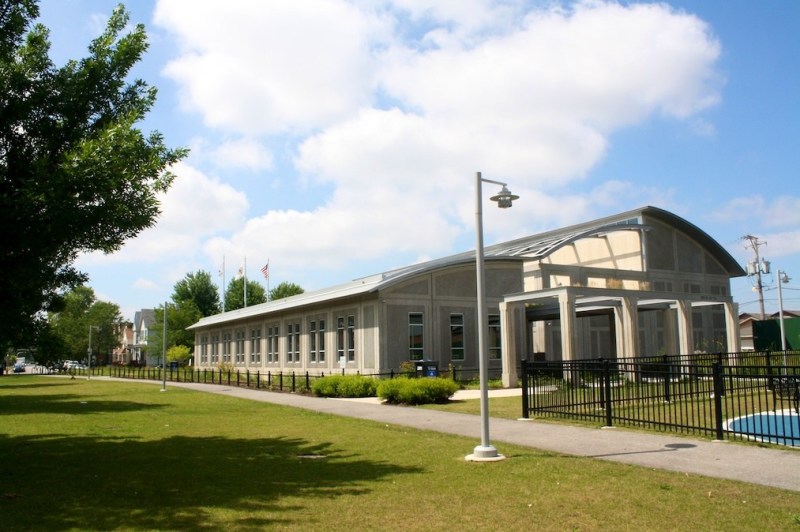
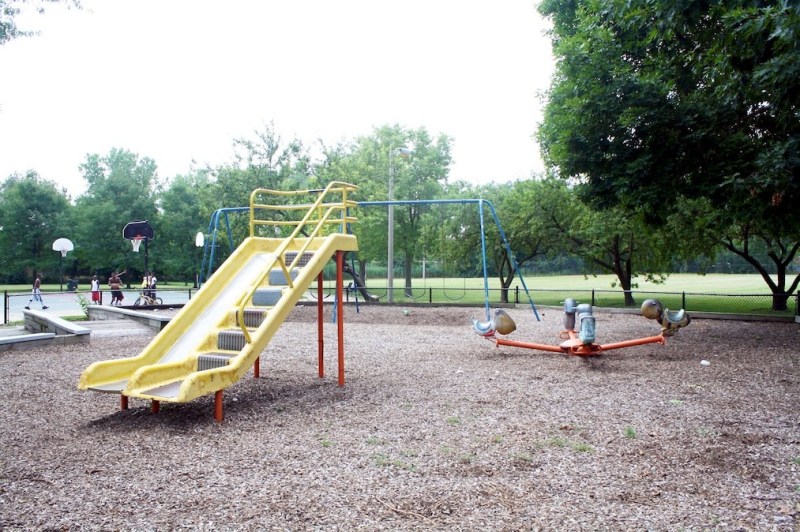
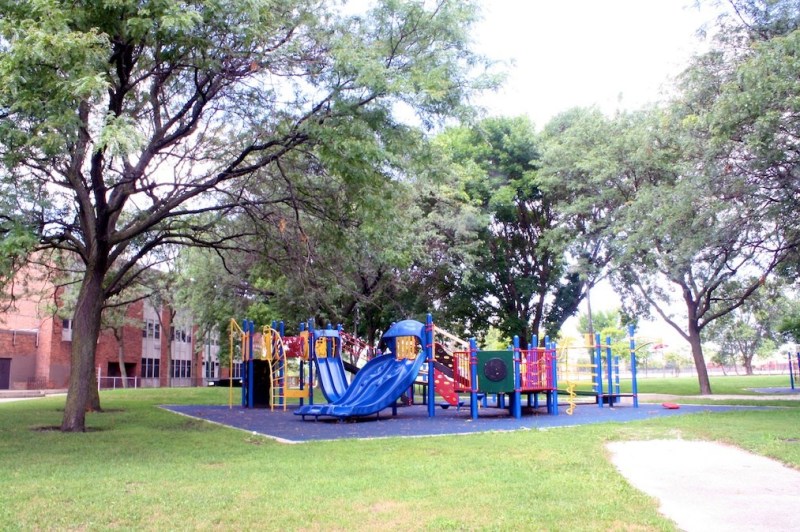
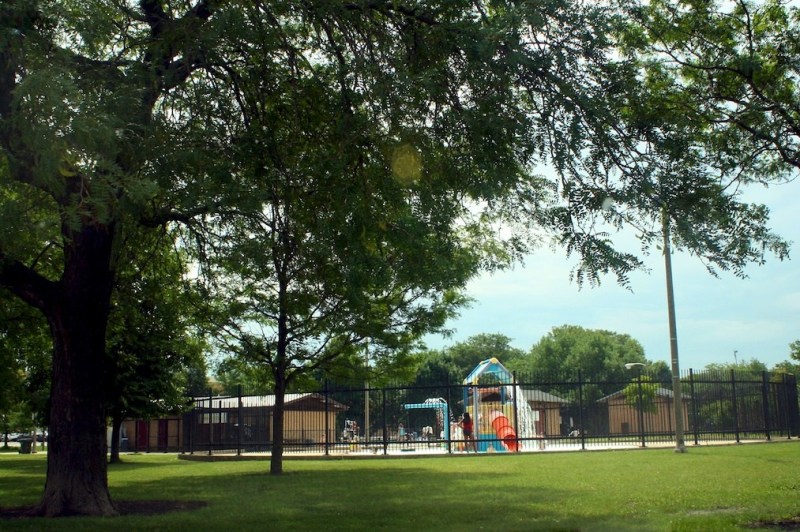
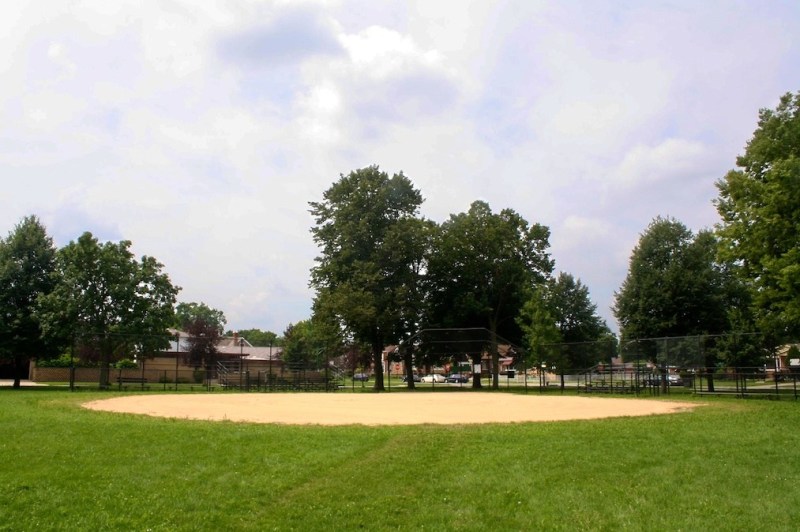
- Parks & Recreation
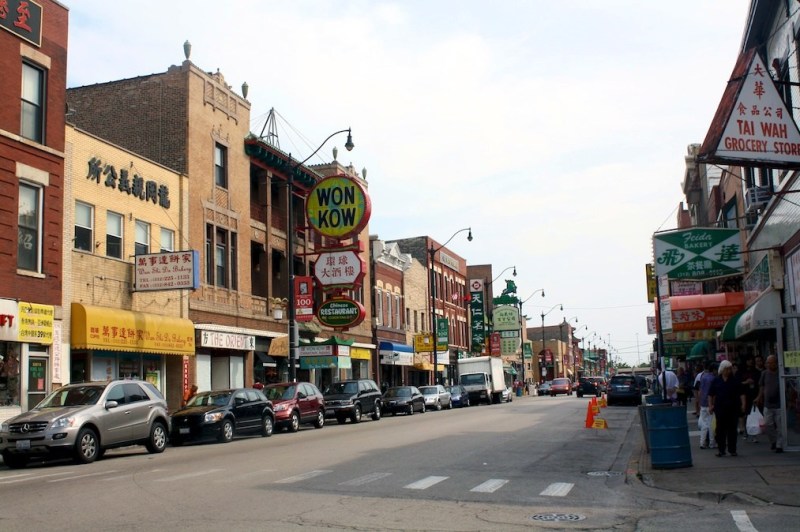
- Eating Out
Not great for
- No ratings yet
Who lives here?
- Professionals
- Families with kids
- Singles
- Retirees
- Students
Got a burning question? Why not ask the locals! Simply ask your question below

Reviews
Chicago

rating details
2yrs+
- Neighborly Spirit
- Safe & Sound
- Clean & Green
- Peace & Quiet
- Eating Out
- Nightlife
- Parks & Recreation
- Shopping Options
- Lack of Traffic
- Parking
- Cost of Living
- Public Transport
"Some of the biggest and best in the country"
Chicago, located on the southern end of Lake Michigan, is the 3rd largest city in the country and the biggest by far in the Midwest. A lot of Chicago is BIG—some of the country’s biggest buildings, on one of the biggest lakes, home to some of the biggest names in music and sports.
GEOGRAPHY
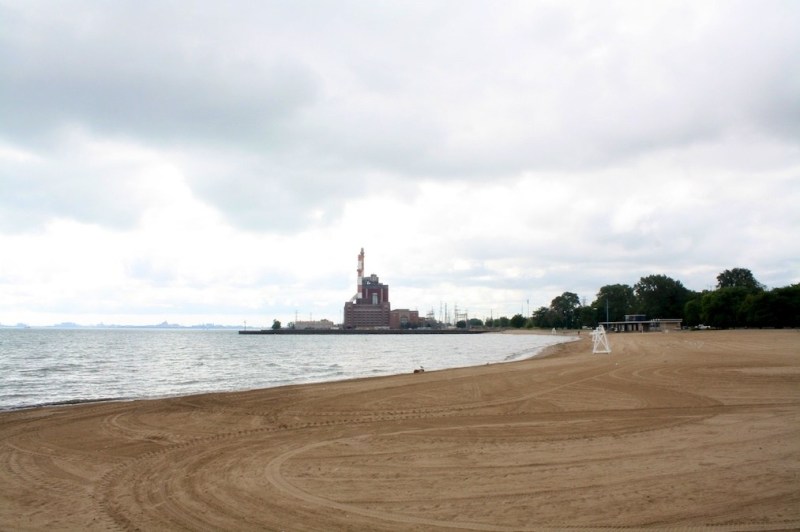
The focal point of the city, aka the Loop, is centered near where the Chicago River meets the Lake, and is buffered on the east side by the enormous Millennium Park. It’s definitely a city for people who like beaches, because there are dozens of public beaches on the Lake within city limits. Jarvis Beach is my personal fave (used to be called Marion Mahoney Griffin Beach Park)—climb over the rock pile to find a second hidden beach!
ARCHITECTURE
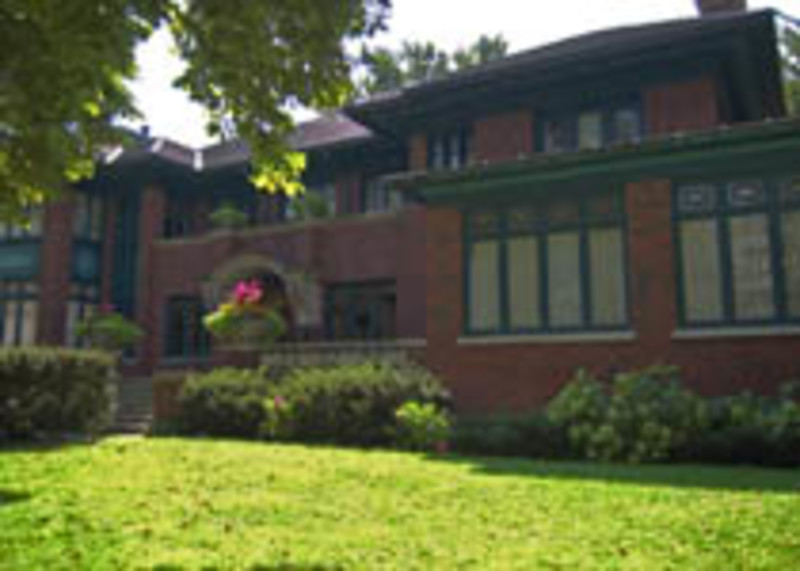
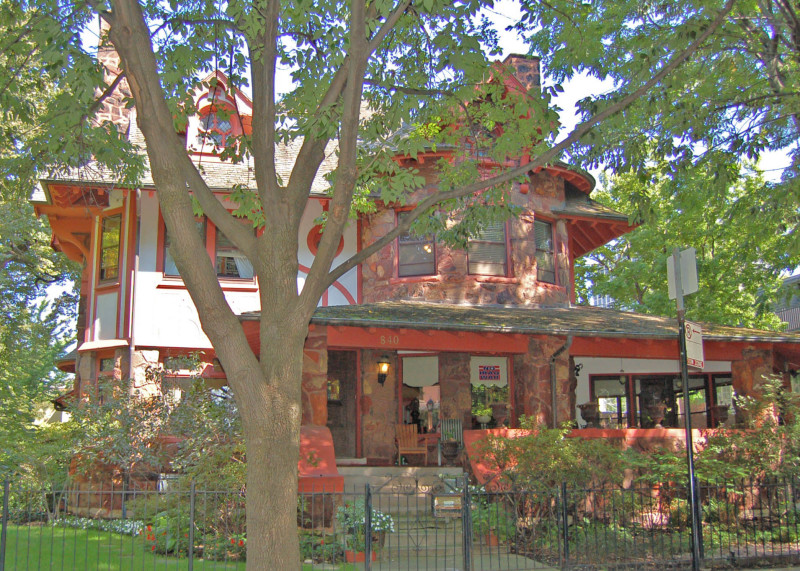
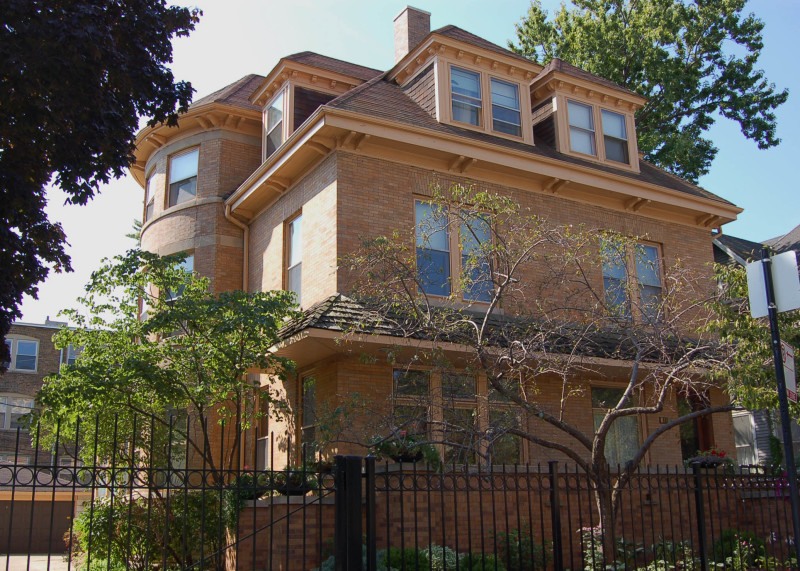
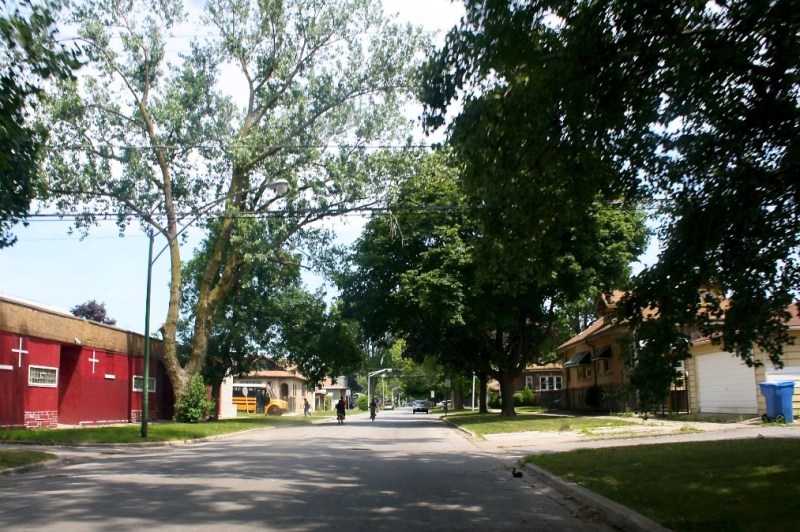
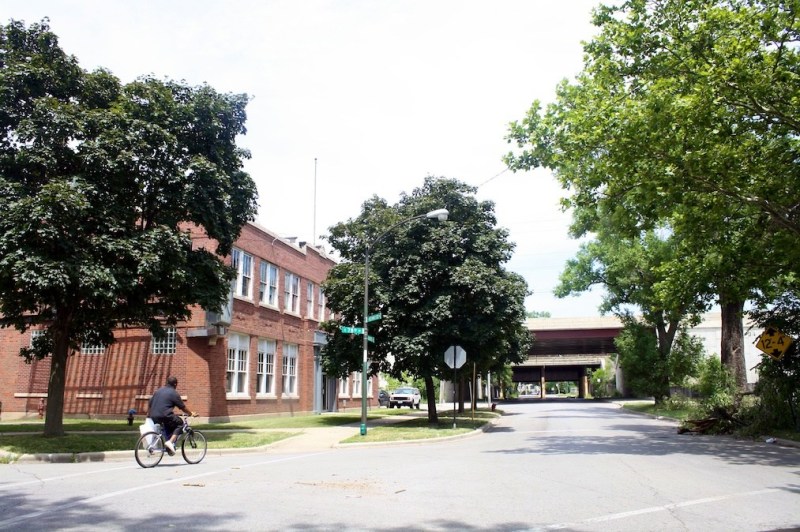
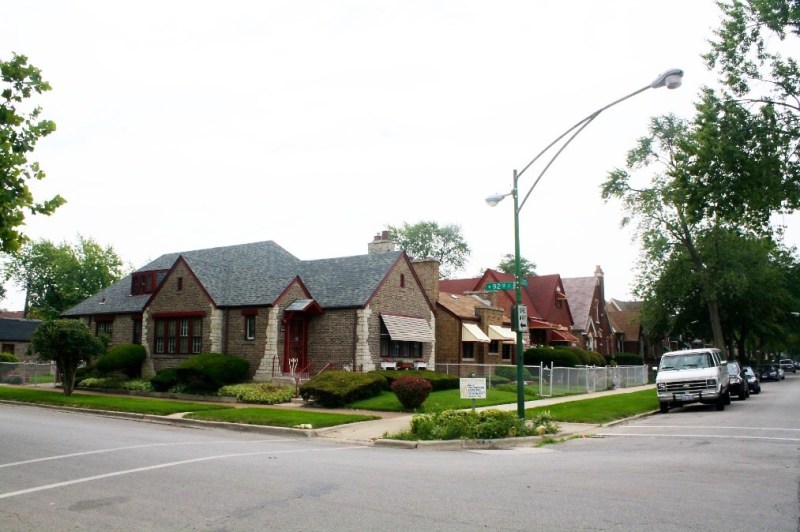
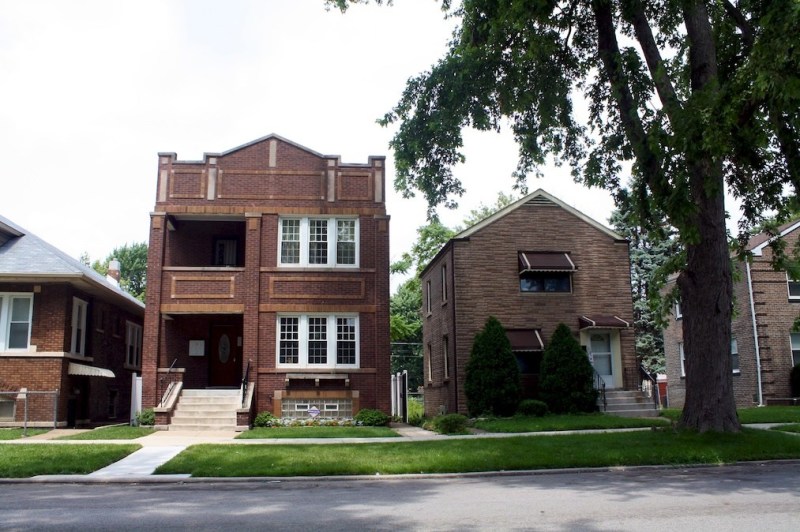
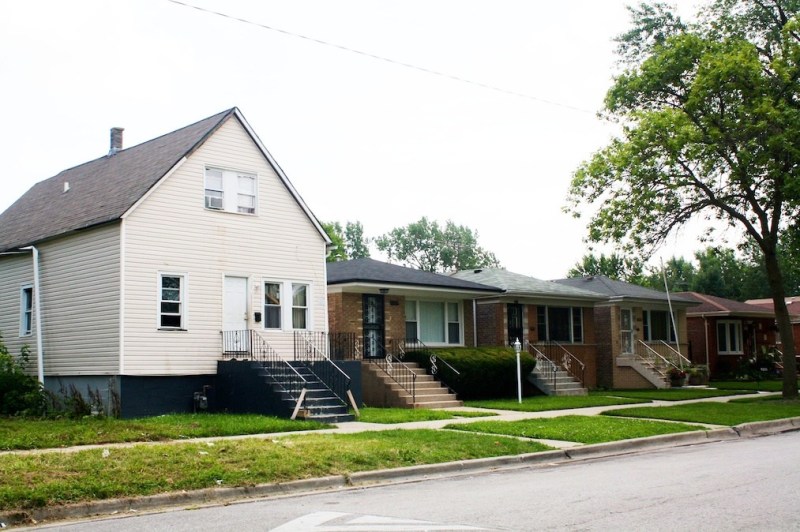
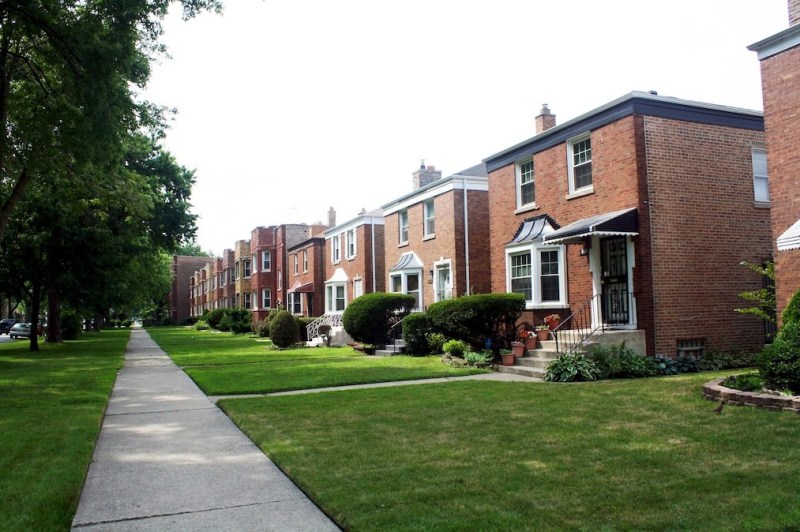
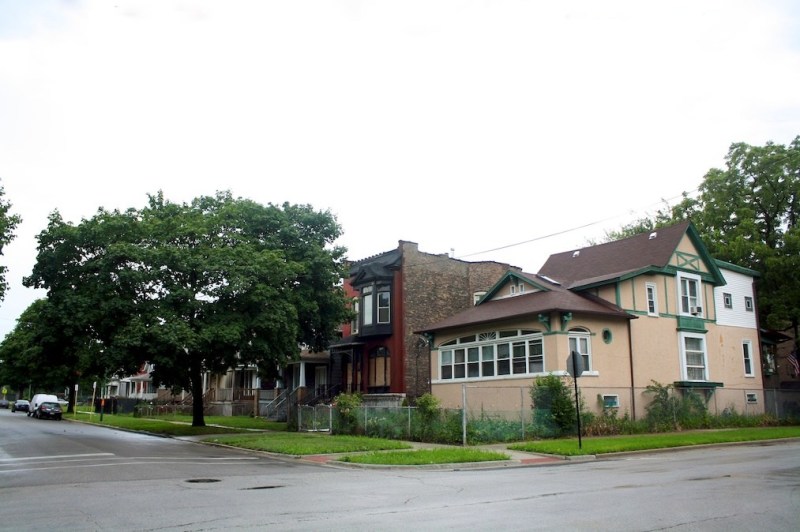
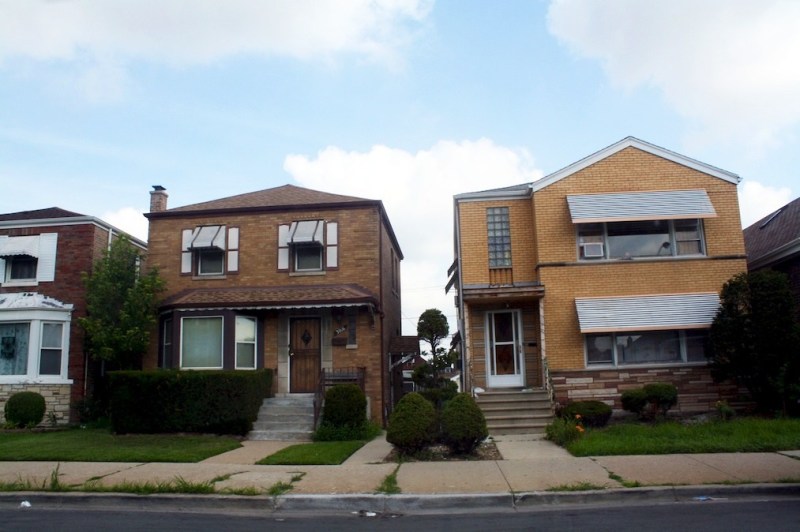
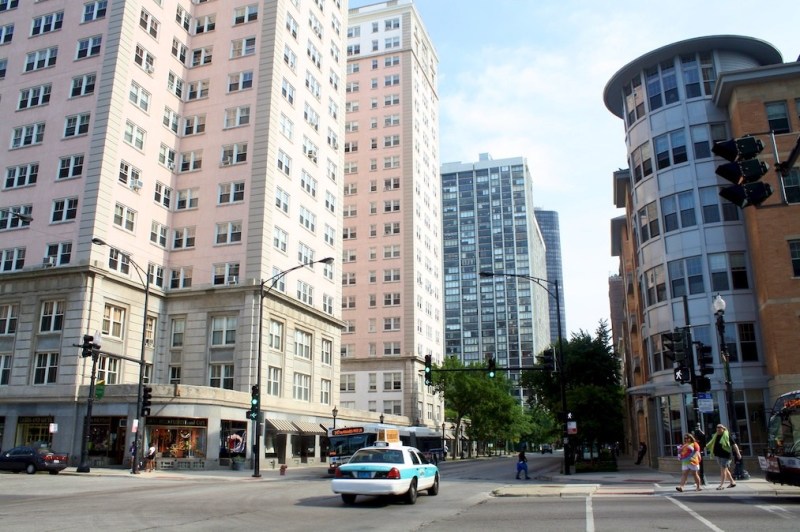
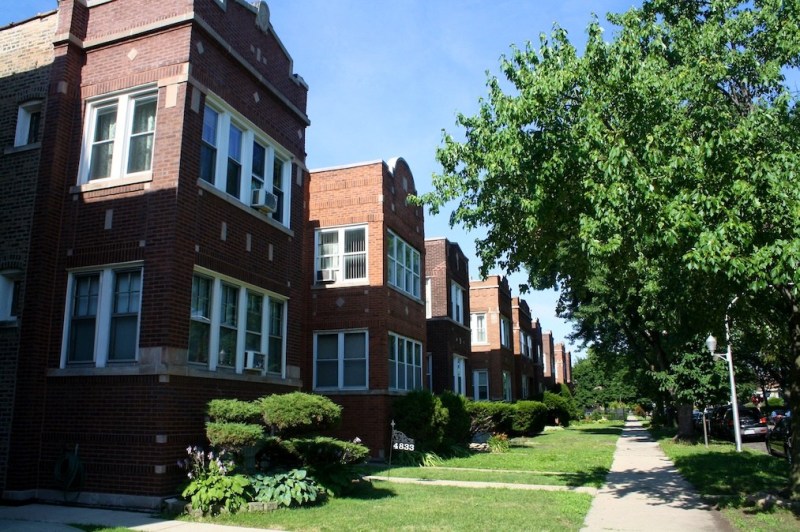
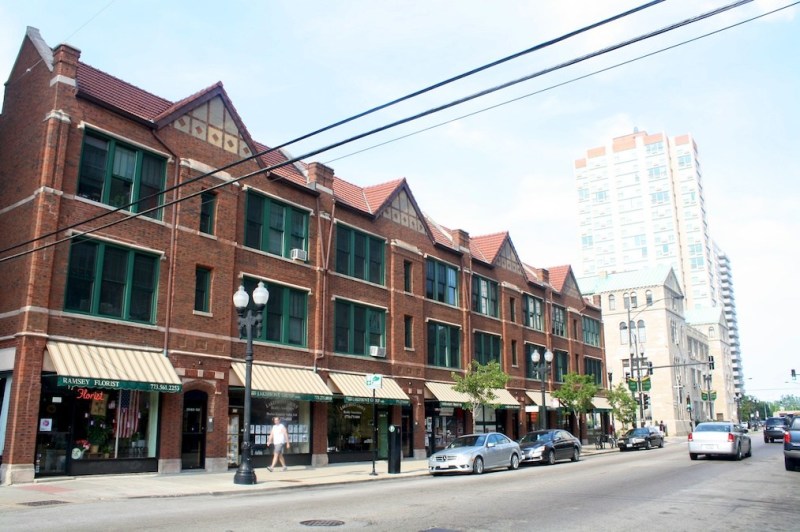
Chicago is famous for its skyline and it’s many interesting buildings, as part of the legacy of its history of innovation and industry. It’s full of skyscrapers, including some of the country’s tallest, and the most unusual. Some odd ones are the Corncob Towers (use your imagination) and the wavy-walled Aqua Tower. Due to a boom of construction before the Great Depression, you’ll see a lot of 1920s art deco style buildings, including the beautiful and colorful Carbide and Carbon Building. Tastefully designed bungalows and classic red brick apartment buildings are not an unusual sight in the residential areas.
WEATHER
There are big seasonal weather changes here. Winters tend to stay below freezing for weeks or even months at a time, with big storms and snowfalls being common. But it warms up to the 70s and 80s in the summer, perfect for exploring the beaches. It will usually be in the 90s at least a good handful of days each summer too.
ENTERTAINMENT
Chicago is famous for sports and music. Watching a Chicago baseball, hockey, football, soccer, or basketball game is a big part of the culture here. If you like baseball, you’ll definitely be asked to choose a side: Cubs or White Sox. You've probably heard of their other teams as well: Bulls, Bears, Blackhawks, Fire, and Sky. You could almost write a song about that lol.
If you haven’t been to Chicago, you might not know that the House music scene is HUGE here. In fact, Chicago musicians were integral in the creation and evolution of house music itself, starting in the 1980’s, and slowly changing into the very different creature it is today. The city is also known for incredible Jazz, R&B, Rock, Gospel, Soul, and Blues. You’ve probably heard of Lollapalooza, which is held in Grant Park each year as a world-famous 4 day music festival. You're also likely familiar with a few musicians that have come out of the windy city: Nat King Cole, Neko Case, Muddy Waters, Felix da Housecat, Ella Fitzgerald, Fallout Boy, and OK Go to name a few!
CULTURE
Speaking of music, it’s worth noting that much of the city’s outstanding arts scene is due to the large black population in the city. Like most cities, Chicago has a long and complicated sociological history, which I won’t get into here. But I will mention one recent outcome of Chicago’s culture—just last week the city essentially kicked out Donald Trump during one of his presidential campaign rallies! Based on Trump’s many, many racist comments, I’m not surprised this happened, but am inspired by the bravery of those that said “not in our city.”
GEOGRAPHY
The focal point of the city, aka the Loop, is centered near where the Chicago River meets the Lake, and is buffered on the east side by the enormous Millennium Park. It’s definitely a city for people who like beaches, because there are dozens of public beaches on the Lake within city limits. Jarvis Beach is my personal fave (used to be called Marion Mahoney Griffin Beach Park)—climb over the rock pile to find a second hidden beach!
ARCHITECTURE
Chicago is famous for its skyline and it’s many interesting buildings, as part of the legacy of its history of innovation and industry. It’s full of skyscrapers, including some of the country’s tallest, and the most unusual. Some odd ones are the Corncob Towers (use your imagination) and the wavy-walled Aqua Tower. Due to a boom of construction before the Great Depression, you’ll see a lot of 1920s art deco style buildings, including the beautiful and colorful Carbide and Carbon Building. Tastefully designed bungalows and classic red brick apartment buildings are not an unusual sight in the residential areas.
WEATHER
There are big seasonal weather changes here. Winters tend to stay below freezing for weeks or even months at a time, with big storms and snowfalls being common. But it warms up to the 70s and 80s in the summer, perfect for exploring the beaches. It will usually be in the 90s at least a good handful of days each summer too.
ENTERTAINMENT
Chicago is famous for sports and music. Watching a Chicago baseball, hockey, football, soccer, or basketball game is a big part of the culture here. If you like baseball, you’ll definitely be asked to choose a side: Cubs or White Sox. You've probably heard of their other teams as well: Bulls, Bears, Blackhawks, Fire, and Sky. You could almost write a song about that lol.
If you haven’t been to Chicago, you might not know that the House music scene is HUGE here. In fact, Chicago musicians were integral in the creation and evolution of house music itself, starting in the 1980’s, and slowly changing into the very different creature it is today. The city is also known for incredible Jazz, R&B, Rock, Gospel, Soul, and Blues. You’ve probably heard of Lollapalooza, which is held in Grant Park each year as a world-famous 4 day music festival. You're also likely familiar with a few musicians that have come out of the windy city: Nat King Cole, Neko Case, Muddy Waters, Felix da Housecat, Ella Fitzgerald, Fallout Boy, and OK Go to name a few!
CULTURE
Speaking of music, it’s worth noting that much of the city’s outstanding arts scene is due to the large black population in the city. Like most cities, Chicago has a long and complicated sociological history, which I won’t get into here. But I will mention one recent outcome of Chicago’s culture—just last week the city essentially kicked out Donald Trump during one of his presidential campaign rallies! Based on Trump’s many, many racist comments, I’m not surprised this happened, but am inspired by the bravery of those that said “not in our city.”
Pros
- Great music scene
- 4 distinct seasons
- Architecture
Recommended for
- Professionals
- Singles
- Families with kids
- Retirees
- Tourists
- LGBT+
- Hipsters
- Students
- Trendy & Stylish
- Beach Lovers
Chicago

rating details
2yrs+
- Neighborly Spirit
- Safe & Sound
- Clean & Green
- Pest Free
- Peace & Quiet
- Eating Out
- Nightlife
- Parks & Recreation
- Shopping Options
- Gym & Fitness
- Internet Access
- Lack of Traffic
- Parking
- Cost of Living
- Resale or Rental Value
- Public Transport
- Medical Facilities
- Schools
- Childcare
"Small town and a big city"
Chicago has so many neighborhoods and areas in it that describing it as a whole is darn near impossible. There are areas that have incredible shopping and busy with a cosmopolitan feel. There are also areas that have a small town feel where everyone knows everyone else. Sadly there are also of abject and extreme poverty. So a review would be very different based on the reviewers location in the city.
I love it though. As a whole Chicagoans are nice and generous people who are willing to help others out. We strive for excellence and demand the same of our colleagues. I am proud to be a life long Chicagoan.
I love it though. As a whole Chicagoans are nice and generous people who are willing to help others out. We strive for excellence and demand the same of our colleagues. I am proud to be a life long Chicagoan.
Recommended for
- Professionals
- Singles
- Families with kids
- Retirees
- Tourists
- LGBT+
- Hipsters
- Students
- Trendy & Stylish
- Beach Lovers
Chicago

rating details
2yrs+
- Neighborly Spirit
- Safe & Sound
- Clean & Green
- Pest Free
- Peace & Quiet
- Eating Out
- Nightlife
- Parks & Recreation
- Shopping Options
- Gym & Fitness
- Internet Access
- Lack of Traffic
- Cost of Living
- Resale or Rental Value
- Public Transport
- Medical Facilities
- Schools
- Childcare
"The Windy City, the best city"
I've grown up outside Chicago, and have loved the city my whole life. I like going downtown to Greek Town and eating at the Parthenon, which is one of the best restaurants in my opinion. Taking in a ball game either at Wrigley or Cellular One Field (I prefer the Cubs) is great fun also.
I always used to watch Ferris Bueller's Day Off growing up and it's one of my favorite movies because it's a love letter to the city. It really showed off so much of what makes Chicago great. The city has a magic all to itself. I've been to other cities and really liked them, but Chicago is my city, and it's just great to be here. The latest two Batman films were shot here, and for good reason, as the filmmakers knew that there is a distinct architectural design to so many of the buildings, and a beautiful character that you don't get in New York or Los Angeles.
And one interesting fact for those not in the know. Chicago is not called the Windy City because of wind. When the World's Fair came to Chicago over 100 years ago, their marketing and advertising was so aggressive that other cities resented the boasting of Chicagoans, and they said they were full of wind, making Chicago the 'Windy City.'
It is a great town, and certainly has more to offer than any other midwest city.
I always used to watch Ferris Bueller's Day Off growing up and it's one of my favorite movies because it's a love letter to the city. It really showed off so much of what makes Chicago great. The city has a magic all to itself. I've been to other cities and really liked them, but Chicago is my city, and it's just great to be here. The latest two Batman films were shot here, and for good reason, as the filmmakers knew that there is a distinct architectural design to so many of the buildings, and a beautiful character that you don't get in New York or Los Angeles.
And one interesting fact for those not in the know. Chicago is not called the Windy City because of wind. When the World's Fair came to Chicago over 100 years ago, their marketing and advertising was so aggressive that other cities resented the boasting of Chicagoans, and they said they were full of wind, making Chicago the 'Windy City.'
It is a great town, and certainly has more to offer than any other midwest city.
Recommended for
- Professionals
- Singles
- Families with kids
- Retirees
Chicago

rating details
2yrs+
- Neighborly Spirit
- Safe & Sound
- Clean & Green
- Peace & Quiet
- Eating Out
- Nightlife
- Parks & Recreation
- Shopping Options
- Gym & Fitness
- Internet Access
- Lack of Traffic
- Cost of Living
- Resale or Rental Value
- Public Transport
- Medical Facilities
- Schools
- Childcare
"Another Suburb in the City"
A good friend of mine who has lived in this neighborhood since the mid-60s adamantly insists that this neighborhood is known as “Washington Heights” and that Brainerd is a smaller area within its borders. As a long-time resident, I guess she’d know.
I haven’t been there for a long time. I recalled it like most neighborhoods I’ve been to and/or lived in: blocks and blocks of primarily residential; middle-class, working families; quiet and quaint; surrounded by busy commercial streets to support neighboring residents. Washington Heights/Brainerd is no different. The biggest change over the decades has been from White European to almost exclusively African American. But unlike many neighborhoods that seem to deteriorate when the racial balance changes drastically, Washington Heights has survived and thrived. They have a high level of community involvement. I was surprised to hear that they still have “block clubs”! Still, the current economy is having an impact. Houses aren’t selling so well and there are a few boarded-up/foreclosed homes on every block.
This neighborhood has excellent proximity to major expressways, public transportation, and large grocery and retail shopping malls. Not my cup of tea as a die-hard urbanite. This is another of the many neighborhoods that is like a bit of suburbia without leaving the city limits. But at least they have sidewalks!
I haven’t been there for a long time. I recalled it like most neighborhoods I’ve been to and/or lived in: blocks and blocks of primarily residential; middle-class, working families; quiet and quaint; surrounded by busy commercial streets to support neighboring residents. Washington Heights/Brainerd is no different. The biggest change over the decades has been from White European to almost exclusively African American. But unlike many neighborhoods that seem to deteriorate when the racial balance changes drastically, Washington Heights has survived and thrived. They have a high level of community involvement. I was surprised to hear that they still have “block clubs”! Still, the current economy is having an impact. Houses aren’t selling so well and there are a few boarded-up/foreclosed homes on every block.
This neighborhood has excellent proximity to major expressways, public transportation, and large grocery and retail shopping malls. Not my cup of tea as a die-hard urbanite. This is another of the many neighborhoods that is like a bit of suburbia without leaving the city limits. But at least they have sidewalks!
Recommended for
- Professionals
- Families with kids
- Retirees
Chicago
rating details
2yrs+
- Neighborly Spirit
- Safe & Sound
- Peace & Quiet
- Eating Out
- Nightlife
- Shopping Options
- Lack of Traffic
- Cost of Living
- Public Transport
"Interesting Mix of Old and New"
Old Town
Boundaries: North – North Avenue (1600N), South – Division Street (1200N), East – Clark Street (100W), West – Halsted Street (800W).
Located just west of Chicago’s Gold Coast, this neighborhood has evolved from a “hippy culture” neighborhood (as I remember it from the early 70s) to one of urban eclecticism and gentrification. Years ago, the old Dr. Scholl’s factory was converted to condos and lofts, along with other abandoned warehouses. The “head shops” that lined both sides of Wells Street were replaced by funky boutiques and restaurants. The dance clubs were replaced by neighborhood pubs.
Despite its name, this area is not a “preserved” area, showing this area of Chicago as it was in the early days (circa 1850). Nevertheless, despite extensive gentrification, Old Town still boasts one of the few structures that survived the Great Fire of 1871 – St Michael’s Church, and several Victorian homes that were built in the ensuing years. Fast forward….
Old Town has been the home of Second City – the world-famous comedy club – since it opened in 1959. Its stellar alumni include Dan Akroyd, John and Jim Belushi, Tina Fey, Bonnie Hunt, Harold Ramis, Bill Murray, and hundreds of others. And it continues to thrive, and to attract new, upcoming talent, and to launch the careers of comedic stars and starlets.
Although the area has changed a lot since my few visits in the 70s, it still retains that funky, eclectic, vibrant neighborhood feel I remember. Yeah, in a way it IS still a piece of “Old Chicago”.
Boundaries: North – North Avenue (1600N), South – Division Street (1200N), East – Clark Street (100W), West – Halsted Street (800W).
Located just west of Chicago’s Gold Coast, this neighborhood has evolved from a “hippy culture” neighborhood (as I remember it from the early 70s) to one of urban eclecticism and gentrification. Years ago, the old Dr. Scholl’s factory was converted to condos and lofts, along with other abandoned warehouses. The “head shops” that lined both sides of Wells Street were replaced by funky boutiques and restaurants. The dance clubs were replaced by neighborhood pubs.
Despite its name, this area is not a “preserved” area, showing this area of Chicago as it was in the early days (circa 1850). Nevertheless, despite extensive gentrification, Old Town still boasts one of the few structures that survived the Great Fire of 1871 – St Michael’s Church, and several Victorian homes that were built in the ensuing years. Fast forward….
Old Town has been the home of Second City – the world-famous comedy club – since it opened in 1959. Its stellar alumni include Dan Akroyd, John and Jim Belushi, Tina Fey, Bonnie Hunt, Harold Ramis, Bill Murray, and hundreds of others. And it continues to thrive, and to attract new, upcoming talent, and to launch the careers of comedic stars and starlets.
Although the area has changed a lot since my few visits in the 70s, it still retains that funky, eclectic, vibrant neighborhood feel I remember. Yeah, in a way it IS still a piece of “Old Chicago”.
Recommended for
- Professionals
- Singles
Chicago

rating details
2yrs+
- Neighborly Spirit
- Peace & Quiet
- Eating Out
- Public Transport
"Chicago does Little Italy in style"
If it seems like Little Italy is getting smaller by the second, that may be because it is! But this is still the place to drop by if you are in search of ethnic Italian goods – like groceries, bakeries and of course restaurants. These days University Village seems to be unstoppable as it takes over Little Italy, so that the two have become pretty blended in the northeast area of Little Italy. But the Old World draw of Little Italy is still holding on, with style.
Chicago’s Little Italy is not your city’s Little Italy – ours features just over ten city blocks of pure, unadulterated Italy. The aforementioned northeast corner of the neighborhood is a bit more modern, because of University Village’s encroachment. Newer additions to the area include condos and townhouses. Gentrification is another factor in the neighborhood’s slow disappearance, and its proximity to the Loop is helping to keep the rents pretty high.
If anything, the area attracts more tourists and holds on to fewer old-time residents. But visitors continue to find the goods on Taylor Street, which is brimming with pizza shops and home to Mario’s Italian Lemonade, known for the authentic beverage boasted of in its name.
Chicago’s Little Italy is not your city’s Little Italy – ours features just over ten city blocks of pure, unadulterated Italy. The aforementioned northeast corner of the neighborhood is a bit more modern, because of University Village’s encroachment. Newer additions to the area include condos and townhouses. Gentrification is another factor in the neighborhood’s slow disappearance, and its proximity to the Loop is helping to keep the rents pretty high.
If anything, the area attracts more tourists and holds on to fewer old-time residents. But visitors continue to find the goods on Taylor Street, which is brimming with pizza shops and home to Mario’s Italian Lemonade, known for the authentic beverage boasted of in its name.
Chicago

rating details
2yrs+
- Neighborly Spirit
- Safe & Sound
- Pest Free
- Peace & Quiet
- Eating Out
- Nightlife
- Parks & Recreation
- Shopping Options
- Gym & Fitness
- Internet Access
- Lack of Traffic
- Cost of Living
- Resale or Rental Value
- Public Transport
- Medical Facilities
- Schools
- Childcare
"An Attractive, Pleasant Community With Well-Manicured Lawns and House Appreciation"
This is a charming middle-class neighborhood full of homes built in the 1940's and 1950's and these residents have continued to maintain their beautiful neighborhoods. The Calumet Heights area includes the neighborhood of Pill Hill, so named not for any drug problems, but because so many medical professionals live there.
This is one of the few Chicago areas to continue to show an increase in appreciation. In reading the City-Data Forum ( http://www.city-data.com/forum/chicago), a number of people wanted suggestions for a safe, pleasant area not far from the Loop to move to and buy a single family home. The Calumet Heights/Pill Hill area was suggested in numerous instances with a warning that the price of houses could be steep.
In its 60617 Zip code, the median home price was $174,900 as of October 2007, a difference of 2.88 percent in appreciation from the previous year. In its 60619 Zip code, the median price was $190,000 as of October 2007, a difference of 5.59 percent in appreciation from the previous year. The percentage of married-couple families is 41.1 percent. The population is predominately Black.
City-data.com crime index for 2008, with higher meaning more crime, was 615.5, compared to a national average of 293.0.
Transportation is good. Most people are close enough to work that they drive, but there are trains, els and buses too.
The grade schools are operating well and Black school is a magnet school. There is also a private Catholic grade school, St. Ailbe's, which recently became one of only 15 archdiocesan elementary schools to begin a new reading and language-arts program called Superkids. Two well thought of higher education institutions are also right there--Olive-Harvey College and Chicago State University. There's plenty of shopping and restaurants along Stony Island and 87th and 95th Streets.
It sounds too good to be in the City. doesn't it? Calumet Heights/Pill Hill just may try to move out of Chicago and pass themselves off as a Southwest Suburbs.
This is one of the few Chicago areas to continue to show an increase in appreciation. In reading the City-Data Forum ( http://www.city-data.com/forum/chicago), a number of people wanted suggestions for a safe, pleasant area not far from the Loop to move to and buy a single family home. The Calumet Heights/Pill Hill area was suggested in numerous instances with a warning that the price of houses could be steep.
In its 60617 Zip code, the median home price was $174,900 as of October 2007, a difference of 2.88 percent in appreciation from the previous year. In its 60619 Zip code, the median price was $190,000 as of October 2007, a difference of 5.59 percent in appreciation from the previous year. The percentage of married-couple families is 41.1 percent. The population is predominately Black.
City-data.com crime index for 2008, with higher meaning more crime, was 615.5, compared to a national average of 293.0.
Transportation is good. Most people are close enough to work that they drive, but there are trains, els and buses too.
The grade schools are operating well and Black school is a magnet school. There is also a private Catholic grade school, St. Ailbe's, which recently became one of only 15 archdiocesan elementary schools to begin a new reading and language-arts program called Superkids. Two well thought of higher education institutions are also right there--Olive-Harvey College and Chicago State University. There's plenty of shopping and restaurants along Stony Island and 87th and 95th Streets.
It sounds too good to be in the City. doesn't it? Calumet Heights/Pill Hill just may try to move out of Chicago and pass themselves off as a Southwest Suburbs.
Chicago
"Fuller Park is unlikely to draw you in"
Yawn – that’s what you’ll find yourself doing if you stop by Fuller Park expecting a taste of the fast lane. (Unless of course you find yourself involved in the area’s crime, which is possible, and then you might really regret having shown up here at all.) Granted, the area has shrunk a great deal in recent times – and residents are doing what they can to expand, turning empty lots into shiny new condo buildings – but Fuller Park still isn’t much more than a residential outpost where a significant amount of people are merely renting their homes.
It features about one shopping center in its approximate four-block radius, and though the neighborhood may have a much more interesting history, these days the most interesting thing about it is its proximity to Comiskey Park (now supposedly renamed US Cellular Field, yes).
Sadly, you can’t expect much from Fuller Park, being one of the city’s smallest spaces. There is a rather high rate of poverty in Fuller Park as well, even if many are pushing for a bit of urban renewal and the highlighting of some of Chicago’s old school buildings.
It features about one shopping center in its approximate four-block radius, and though the neighborhood may have a much more interesting history, these days the most interesting thing about it is its proximity to Comiskey Park (now supposedly renamed US Cellular Field, yes).
Sadly, you can’t expect much from Fuller Park, being one of the city’s smallest spaces. There is a rather high rate of poverty in Fuller Park as well, even if many are pushing for a bit of urban renewal and the highlighting of some of Chicago’s old school buildings.
Chicago
rating details
2yrs+
- Safe & Sound
- Clean & Green
- Cost of Living
- Medical Facilities
- Schools
"Avoid it if you can."
West Garfield Park is one of those neighborhoods that tried very hard to maintain some sembelence of safety, but failed miserably. Throughout it's history the area had several organizations and projects come through that attempted to revitalize the area and maintain a solid history, but the area fell victim to violence, poverty and the crime associated with gangs and drugs. The school system remains underfunded and they can't possibly offer children the education or programs they require to thrive and do well. Sadly most of the kids in the area will fall victim to the gang and drug lifestyle that has been seen, for years, as the only way to survive.
The area is predominantly African-American with projects and housing subsidized by absentee landlords who would rather wait for money than to fix anything that has become eroded in the area thus giving the area a debilitated and depressed appearance. There is nothing overtly good to say about the neighborhood other than to avoid it all together.
The area is predominantly African-American with projects and housing subsidized by absentee landlords who would rather wait for money than to fix anything that has become eroded in the area thus giving the area a debilitated and depressed appearance. There is nothing overtly good to say about the neighborhood other than to avoid it all together.
Chicago
rating details
2yrs+
- Neighborly Spirit
- Clean & Green
- Eating Out
- Resale or Rental Value
- Public Transport
- Medical Facilities
- Schools
"Bad area with a bad reputation."
Englewood is a bad neighborhood, there is no two ways about it. It is an area that is immersed in gang and drug-related violence and the poverty level is staggering. The housing is sub-par to terrible and the school systems are lacking in both motivation and funding. The neighborhood has little to offer and those who find themselves in the area by mistake should attempt to get out as quickly as possible. It is not a "given" that you'll find violence, but it is rather likely.
The area is home to some of the city's poorest residents and worst slums. While there has been some attempt to bring the neighborhood up there is little funding to do so and the staggering poverty-rate in the area has not been helped any by a failing economy. Overall it is an area that you are best off avoiding. Tourists will find nothing of interest and those moving to the city are better off in a different neighborhood.
Englewood is not a newly "bad" neighborhood and it has been plagued with violence and drug activity for decades. There is little to suggest it will get better anytime soon.
The area is home to some of the city's poorest residents and worst slums. While there has been some attempt to bring the neighborhood up there is little funding to do so and the staggering poverty-rate in the area has not been helped any by a failing economy. Overall it is an area that you are best off avoiding. Tourists will find nothing of interest and those moving to the city are better off in a different neighborhood.
Englewood is not a newly "bad" neighborhood and it has been plagued with violence and drug activity for decades. There is little to suggest it will get better anytime soon.
Chicago
rating details
2yrs+
- Safe & Sound
- Internet Access
- Lack of Traffic
- Public Transport
"A mix of Old and New, Big and Small."
Near West End is one of those areas that speaks to the masses. It encompasses everything that a major city is without forgetting it's roots. Within Near West End you will find several smaller neighborhoods and communities that speak of the immigration into Chicago at the turn of the 20th century. Greek, German and Italian enclaves can be found in the area that offer great dining experiences and a taste of the old world charm that made Chicago the city that it is.
The business district has some of the most well-known companies in the world housed within it. Boeing has its headquarters close to the river. Harpo, the production studio owned by Oprah Winfrey, is located within the area and PepsiCo has offices in the area.
Near West End is one of those areas that just speaks to the mishmash of a large city. Huge companies are mixed and mingled on city blocks with smaller shops and businesses.
For everything great about the area it can easily become jam packed in traffic and one is probably better off walking than driving. Overall it has a great feel and has something for just about everyone.
The business district has some of the most well-known companies in the world housed within it. Boeing has its headquarters close to the river. Harpo, the production studio owned by Oprah Winfrey, is located within the area and PepsiCo has offices in the area.
Near West End is one of those areas that just speaks to the mishmash of a large city. Huge companies are mixed and mingled on city blocks with smaller shops and businesses.
For everything great about the area it can easily become jam packed in traffic and one is probably better off walking than driving. Overall it has a great feel and has something for just about everyone.
Recommended for
- Professionals
- Singles
Chicago
rating details
2yrs+
- Neighborly Spirit
- Safe & Sound
- Clean & Green
- Pest Free
- Peace & Quiet
- Eating Out
- Nightlife
- Parks & Recreation
- Shopping Options
- Gym & Fitness
- Internet Access
- Lack of Traffic
- Cost of Living
- Resale or Rental Value
- Public Transport
- Medical Facilities
- Schools
- Childcare
"Residents Are Working At Grassroots Level to Keep Community Stable and Safe"
This low-income, working class community lies six miles Southwest of the Loop, and has a population today of 44,912, with 69 percent being of Mexican origin, according to the 2000 census. Its European roots still show in the community's support of such ethnic memorials as the Balzekas Lithuanian Museum of Culture and the Polish Highlander Alliance.
Property values were increased with the 1964 opening of the Stevenson Expressway, Interstate 55, and the 1993 opening of the Orange Line rapid transit (el) line and the revitalization of Chicago's Midway International Airport.
There is a very active Brighton Park Neighborhood Council with grassroots organization of block clubs, churches, schools and businesses. They are working to provide a safe and stable environment for their community. It was founded in 1997 when residents got together and decided that they were not going to tolerate the deterioration of their neighborhood.
Average listing price in Brighton Park went up to $168,082 from prior week with
67 foreclosures. Median sales price in Brighton Park went down to $105,000 from prior quarter.
Property values were increased with the 1964 opening of the Stevenson Expressway, Interstate 55, and the 1993 opening of the Orange Line rapid transit (el) line and the revitalization of Chicago's Midway International Airport.
There is a very active Brighton Park Neighborhood Council with grassroots organization of block clubs, churches, schools and businesses. They are working to provide a safe and stable environment for their community. It was founded in 1997 when residents got together and decided that they were not going to tolerate the deterioration of their neighborhood.
Average listing price in Brighton Park went up to $168,082 from prior week with
67 foreclosures. Median sales price in Brighton Park went down to $105,000 from prior quarter.
Chicago
rating details
2yrs+
- Neighborly Spirit
- Safe & Sound
- Clean & Green
- Pest Free
- Peace & Quiet
- Eating Out
- Nightlife
- Parks & Recreation
- Shopping Options
- Gym & Fitness
- Internet Access
- Lack of Traffic
- Cost of Living
- Resale or Rental Value
- Public Transport
- Medical Facilities
- Schools
- Childcare
"Little Italy, the food, the atmosphere, benissimo!"
The Near West Side, which contains Chicago's famous Little Italy, is one of my favorites. I've been coming here since I was little. The food, which I will go a little more in depth on later, is excellent, and it's one of the nicer communities in the city.
The Food
You can't come here and not eat. There are some of the best Italian restaurants in the city in Little Italy, some of which have become presences outside the neighborhood, though they originated in the area. First, you have Rosebud. There are a few more Rosebud's out there, but this is the original. Obviously, if it was successful enough to expand, it has to be good. I like the atmosphere and the food is great. You should also give Tuscany a try. I don't know how many there are now, but there's actually one right near where I live in the suburb of Oak Brook, and I know there are more. It's an upscale restaurant, but still comfortable, and the food is incredible. I would suggest the original first, even though the other locations are outstanding.
The community is safe and clean. The cost of a house in the area isn't too bad, and as I understand it there are quite a few cops and firemen living there, which makes for very low crime. My dad tells me a number of the Italian gangsters live there, but they never commit any crimes there since it's home. I'm not sure if it's true, but I think it's perfectly safe to walk around there at night.
I don't see the Near West Side being much of a shopper's destination, but no doubt there are some nice, smaller places where you can find something. Fortunately, it's only a short cab ride from the Loop, so if you find yourself either visiting or living there, you won't have to worry about finding some shops.
Without question, I highly recommend the Near West Side. If you come to Chicago and miss it, I would have to say, "Shame on you." High marks.
The Food
You can't come here and not eat. There are some of the best Italian restaurants in the city in Little Italy, some of which have become presences outside the neighborhood, though they originated in the area. First, you have Rosebud. There are a few more Rosebud's out there, but this is the original. Obviously, if it was successful enough to expand, it has to be good. I like the atmosphere and the food is great. You should also give Tuscany a try. I don't know how many there are now, but there's actually one right near where I live in the suburb of Oak Brook, and I know there are more. It's an upscale restaurant, but still comfortable, and the food is incredible. I would suggest the original first, even though the other locations are outstanding.
The community is safe and clean. The cost of a house in the area isn't too bad, and as I understand it there are quite a few cops and firemen living there, which makes for very low crime. My dad tells me a number of the Italian gangsters live there, but they never commit any crimes there since it's home. I'm not sure if it's true, but I think it's perfectly safe to walk around there at night.
I don't see the Near West Side being much of a shopper's destination, but no doubt there are some nice, smaller places where you can find something. Fortunately, it's only a short cab ride from the Loop, so if you find yourself either visiting or living there, you won't have to worry about finding some shops.
Without question, I highly recommend the Near West Side. If you come to Chicago and miss it, I would have to say, "Shame on you." High marks.
Recommended for
- Professionals
- Singles
- Families with kids
- Retirees
Chicago
rating details
2yrs+
- Neighborly Spirit
- Safe & Sound
- Clean & Green
- Pest Free
- Peace & Quiet
- Eating Out
- Nightlife
- Parks & Recreation
- Shopping Options
- Gym & Fitness
- Internet Access
- Lack of Traffic
- Cost of Living
- Resale or Rental Value
- Public Transport
- Medical Facilities
- Schools
- Childcare
"An Average Community Blessed with Above-Average Schools and Many Parks"
President Obama put the Brainerd area on the national map when he was campaigning. He was a long-time member of Chicago's (in Brainerd) Trinity United Church run by the Rev. Jeremiah Wright. Obama claimed he had his epiphany in that very church, much to the criticism of those who saw the church's pastor as a divisive racist. But Brainerd had noteriety for its 15 minutes.
Brainerd is a mostly lower middle class neighborhood with some sections of very attractive bungalows. One such cluster is located near Brainerd Park in Washington Heights (just east of Beverly). The area is roughly Vincennes to the east, Bishop to the west, and 95th St. to the south.
The middle schools and high schools are highly rated by residents.
1. Lincoln Park High School
4.5 star rating. One reviewer writes:
"My alma mater, Lincoln Park High School stands as a testament to the quality of public education and gives its students a diverse education, an education diverse as the students themselves. From street smarts to choir, to orchestra band, advanced mathematics, French, Spanish, German, Theater, and a plethora of athletics teams Lincoln Park serves the needs and interests of students."
2. Lane Tech College Prep
4 star rating
26 reviews
Category: Middle Schools & High Schools
3. Gordon Technical High School
4.5 star rating
7 reviews
4.Northside College Preparatory High…
5 star rating
4 reviews
5.Von Steuben High School
4.5 star rating
6 reviews
It is close to the Rock Island Line Railroad for commuters who work in the Loop, and to the Dan Ryan Expressway for those who prefer the short drive.
According to the 2000 census data, 13 percent of its residents are below the poverty line. Most of its employed female residents are in sales and service occupations, males in transportation and material moving.
The crime index is reported as being 615.5 as compared with the U.S. average of 293.0.
The median age for females is 38.9 years, for males 33.8 years. The percentage of married couple families with children are 11 percent. The percentage of single-mother households is 19.9 percent.
Brainerd is a mostly lower middle class neighborhood with some sections of very attractive bungalows. One such cluster is located near Brainerd Park in Washington Heights (just east of Beverly). The area is roughly Vincennes to the east, Bishop to the west, and 95th St. to the south.
The middle schools and high schools are highly rated by residents.
1. Lincoln Park High School
4.5 star rating. One reviewer writes:
"My alma mater, Lincoln Park High School stands as a testament to the quality of public education and gives its students a diverse education, an education diverse as the students themselves. From street smarts to choir, to orchestra band, advanced mathematics, French, Spanish, German, Theater, and a plethora of athletics teams Lincoln Park serves the needs and interests of students."
2. Lane Tech College Prep
4 star rating
26 reviews
Category: Middle Schools & High Schools
3. Gordon Technical High School
4.5 star rating
7 reviews
4.Northside College Preparatory High…
5 star rating
4 reviews
5.Von Steuben High School
4.5 star rating
6 reviews
It is close to the Rock Island Line Railroad for commuters who work in the Loop, and to the Dan Ryan Expressway for those who prefer the short drive.
According to the 2000 census data, 13 percent of its residents are below the poverty line. Most of its employed female residents are in sales and service occupations, males in transportation and material moving.
The crime index is reported as being 615.5 as compared with the U.S. average of 293.0.
The median age for females is 38.9 years, for males 33.8 years. The percentage of married couple families with children are 11 percent. The percentage of single-mother households is 19.9 percent.
Chicago
rating details
2yrs+
- Neighborly Spirit
- Safe & Sound
- Clean & Green
- Pest Free
- Peace & Quiet
- Eating Out
- Nightlife
- Parks & Recreation
- Shopping Options
- Internet Access
- Lack of Traffic
- Cost of Living
- Public Transport
- Medical Facilities
- Schools
"A great place for a City Dweller"
River North is the largest of the “near north” neighborhoods, adjacent to Old Town, the Gold Coast, and the Magnificent Mile. It is THE place for artists, interior designers, and antiques. For the artist, Wells Street has the majority of boutique art galleries to serve every taste. The area surrounding the behemoth Merchandise Mart seems to have been built up specifically for the interior designer. The Mart itself is filled with several huge showrooms for designing any room in a home. River north is also the home of the annual Wells Street Art Fair which draws huge crowds from all over the city.
This eclectic neighborhood has quite a few vintage buildings that have been converted to condos, and restaurants. In recent years, more and more new development in the form of high-rise condos has been sprinkled in. But it still retains a neighborhood feel. Quite a few of the streets off the beaten path are tree-lined and grassy. You can still see many of the old vintage townhomes that have been upgraded to attract and accommodate the new generation of city-dwellers.
For nightlife, the legendary Division Street is only a short walk or taxi ride away. So is just about everything else you need: grocery store, restaurants, coffee shops; all the little perks that any city neighborhood should have.
This eclectic neighborhood has quite a few vintage buildings that have been converted to condos, and restaurants. In recent years, more and more new development in the form of high-rise condos has been sprinkled in. But it still retains a neighborhood feel. Quite a few of the streets off the beaten path are tree-lined and grassy. You can still see many of the old vintage townhomes that have been upgraded to attract and accommodate the new generation of city-dwellers.
For nightlife, the legendary Division Street is only a short walk or taxi ride away. So is just about everything else you need: grocery store, restaurants, coffee shops; all the little perks that any city neighborhood should have.
Recommended for
- Professionals
- Singles
- Families with kids
Chicago
rating details
2yrs+
- Neighborly Spirit
- Safe & Sound
- Clean & Green
- Peace & Quiet
- Eating Out
- Nightlife
- Parks & Recreation
- Shopping Options
- Gym & Fitness
- Internet Access
- Lack of Traffic
- Cost of Living
- Resale or Rental Value
- Public Transport
- Medical Facilities
"A Collection of Neighborhoods - Something for Everybody"
The general area begins just north of the Chicago Loop and extends 2-3 miles north to North Avenue; and from the Kennedy Expressway to the west, all the way east to Lake Michigan. Hard to write a short review of this large chunk of real estate in the heart of Chicago. It is divided into several, smaller neighborhoods; each with its own distinctive feel and diversity of residents, shopping, culture, and attractions. Here’s a brief summary:
Magnificent Mile
High-end shopping, luxury hotels, fine dining, the Hancock Building and Observatory, vertical shopping malls, historic landmarks.
Gold Coast
One of the oldest residential neighborhoods in the heart of the city. Lots of old, urban mansions and vintage high-rise condos on quiet tree-lined, narrow streets. Includes the legendary night-life area of Rush Street – known as the “Viagra Triangle”.
Streeterville
Call it “Mag Mile East” – this neighborhood has exploded during the past 30+ years with high-rise condos for affluent urban professionals and suburban empty-nesters. Often congested with tourists going to and coming from Navy Pier.
Old Town
Located just west of the Gold Coast, this neighborhood has evolved from a “hippy culture” neighborhood to one of urban eclecticism. Old factories and warehouses have been converted to modern condos and rental units. But the original main streets – Division Street and Wells Street – retain much of their old flavor: Entertainment and Dining.
River North
Nestled between the Mag Mile and Old Town, this area has become THE place for small art galleries, antique shops, and interior design showrooms. Lots of small/intimate dining spots. Lots of conversions of old office buildings to condos, sprinkled with new high-rise developments.
The Near North area continues to evolve to retain and serve its current residents and to attract new ones.
Magnificent Mile
High-end shopping, luxury hotels, fine dining, the Hancock Building and Observatory, vertical shopping malls, historic landmarks.
Gold Coast
One of the oldest residential neighborhoods in the heart of the city. Lots of old, urban mansions and vintage high-rise condos on quiet tree-lined, narrow streets. Includes the legendary night-life area of Rush Street – known as the “Viagra Triangle”.
Streeterville
Call it “Mag Mile East” – this neighborhood has exploded during the past 30+ years with high-rise condos for affluent urban professionals and suburban empty-nesters. Often congested with tourists going to and coming from Navy Pier.
Old Town
Located just west of the Gold Coast, this neighborhood has evolved from a “hippy culture” neighborhood to one of urban eclecticism. Old factories and warehouses have been converted to modern condos and rental units. But the original main streets – Division Street and Wells Street – retain much of their old flavor: Entertainment and Dining.
River North
Nestled between the Mag Mile and Old Town, this area has become THE place for small art galleries, antique shops, and interior design showrooms. Lots of small/intimate dining spots. Lots of conversions of old office buildings to condos, sprinkled with new high-rise developments.
The Near North area continues to evolve to retain and serve its current residents and to attract new ones.
Recommended for
- Professionals
- Singles
- Families with kids
- Retirees
Chicago
rating details
2yrs+
- Neighborly Spirit
- Safe & Sound
- Clean & Green
- Pest Free
- Peace & Quiet
- Eating Out
- Nightlife
- Parks & Recreation
- Shopping Options
- Lack of Traffic
- Cost of Living
- Public Transport
- Medical Facilities
"Great Little Urban Neighborhood"
One of many Loop/Downtown neighborhoods, Streeterville (a.k.a. River East) is located just east of the Magnificent Mile, between Oak Street to the north, The Chicago River to the south, and the Lake front to the east. Since the area includes Navy Pier, it is usually very congested with traffic to and from the Pier – especially in the summer.
Nevertheless, the neighborhood contains more than 30 high-rise communities of upscale apartments and condominiums. Plans for more are in the works, despite the sluggish economy. To support the growing number of residents, the number of restaurants and large grocery stores has also increased.
Besides Navy Pier (which attracts mostly tourists), the neighborhood includes a multi-plex of 21 movie theaters. And for a small dose of culture, there’s the Museum of Contemporary Art and the River East Art Center.
Except for the traffic and congestion around Navy Pier, I’d love to live in this neighborhood! Everything you want that isn’t within a few blocks is only a short walk, bus ride, or taxi ride away.
Nevertheless, the neighborhood contains more than 30 high-rise communities of upscale apartments and condominiums. Plans for more are in the works, despite the sluggish economy. To support the growing number of residents, the number of restaurants and large grocery stores has also increased.
Besides Navy Pier (which attracts mostly tourists), the neighborhood includes a multi-plex of 21 movie theaters. And for a small dose of culture, there’s the Museum of Contemporary Art and the River East Art Center.
Except for the traffic and congestion around Navy Pier, I’d love to live in this neighborhood! Everything you want that isn’t within a few blocks is only a short walk, bus ride, or taxi ride away.
Recommended for
- Professionals
- Singles
- Retirees
Chicago
rating details
2yrs+
- Neighborly Spirit
- Safe & Sound
- Clean & Green
- Pest Free
- Peace & Quiet
- Eating Out
- Nightlife
- Parks & Recreation
- Shopping Options
- Gym & Fitness
- Internet Access
- Lack of Traffic
- Cost of Living
- Resale or Rental Value
- Public Transport
- Medical Facilities
- Schools
- Childcare
"From Swampland to Quite Civilized Attractive Residential Community"
Avalon Park was named to pay homage to the English Isle of Avalon, the supposed burial place of King Arthur. It has an interesting history, as you might guess from this fact. It was created in the 1920's in a South Side neighborhood (10 miles SE of the Loop). In 1889, Chicago annexed the Village of Hyde Park, which included an area with a city dump, swamps and "Mud Lake," a popular spot for fishing and hunting. What few houses were there had to be placed on stilts. This swampland area remained mostly unsettled except for mosquitoes until after the installation of a sewage system in 1900. In 1910 it became Avalon Park in deference to King Arthur.
The park district responded to a clamoring from civic groups for the creation of a park back in 1934. The park district built Avalon Park at 1215 E. 83rd St., and installed playfields, a running track, tennis and horseshoe courts, and a combination shelter and comfort station. They built a modern fieldhouse in 1958. It includes fitness centers, gyms, jogging/walking paths, swimming facilities and a water playground.
Avalon Park experienced a major demographic change in the Sixties like other Chicago communities, but the average educational level increased, the poverty level decreased and home ownership remained high. Sixty-five percent of the residents work in white-collar occupations according to the 2000 census. Owner-occupancy rates have consistently been over 70 percent in recent decades. The median sales price for homes earlier this year was $70,000 based on 15 sales. Crime rates are the same as for Cook County, and violent crime rates are very low.
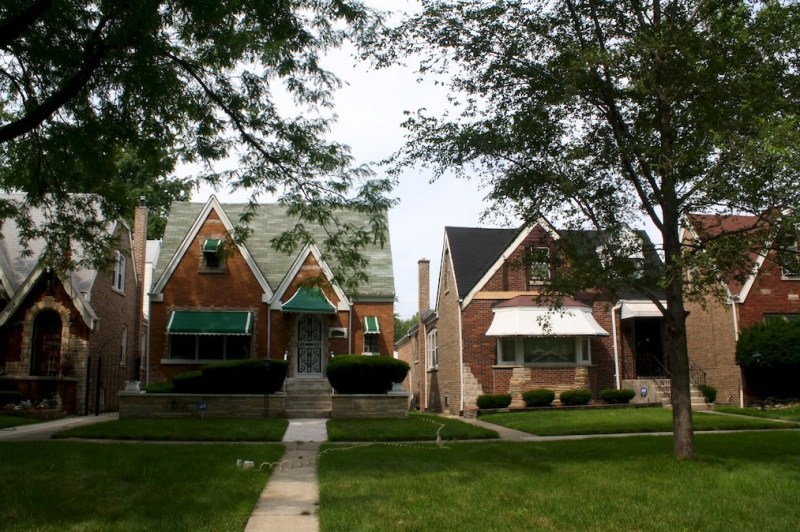
It is a predominately residential community of modest bungalows. High-end retail clothing shops make their home here, and well-known celebrities Steve Harvey and Snoop Dogg come to do their shopping.
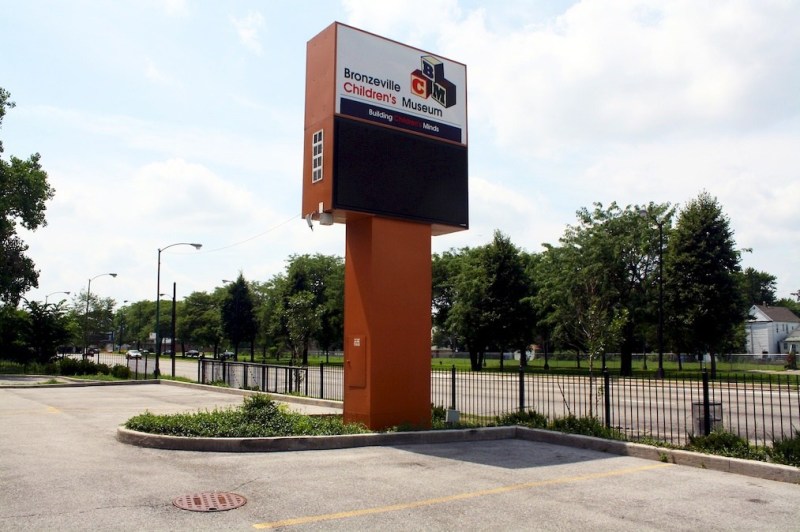
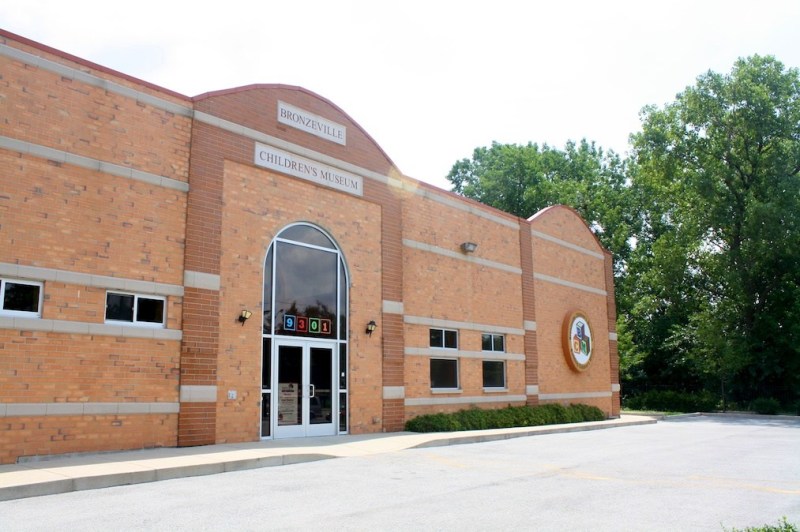
It is also home to the Bronzeville Children's Museum, the nation's first and only African-American children's museum.
It's neighbor, Calumet Heights, is known for its affluent section called "Pill Hill" for the many doctors and other medical professionals who own homes there.
There is good transportation with the CTA Buses 28, 87. For more travel information, visit www.transitchicago.com.
The park district responded to a clamoring from civic groups for the creation of a park back in 1934. The park district built Avalon Park at 1215 E. 83rd St., and installed playfields, a running track, tennis and horseshoe courts, and a combination shelter and comfort station. They built a modern fieldhouse in 1958. It includes fitness centers, gyms, jogging/walking paths, swimming facilities and a water playground.
Avalon Park experienced a major demographic change in the Sixties like other Chicago communities, but the average educational level increased, the poverty level decreased and home ownership remained high. Sixty-five percent of the residents work in white-collar occupations according to the 2000 census. Owner-occupancy rates have consistently been over 70 percent in recent decades. The median sales price for homes earlier this year was $70,000 based on 15 sales. Crime rates are the same as for Cook County, and violent crime rates are very low.
It is a predominately residential community of modest bungalows. High-end retail clothing shops make their home here, and well-known celebrities Steve Harvey and Snoop Dogg come to do their shopping.
It is also home to the Bronzeville Children's Museum, the nation's first and only African-American children's museum.
It's neighbor, Calumet Heights, is known for its affluent section called "Pill Hill" for the many doctors and other medical professionals who own homes there.
There is good transportation with the CTA Buses 28, 87. For more travel information, visit www.transitchicago.com.
Chicago
rating details
2yrs+
- Neighborly Spirit
- Safe & Sound
- Clean & Green
- Peace & Quiet
- Eating Out
- Parks & Recreation
- Lack of Traffic
- Cost of Living
- Public Transport
- Medical Facilities
- Childcare
"The "New Eastside" - Another Downtown Neighborhood to Live, Work, and Play In!"
Local legend has it that this city neighborhood was designated the “New Eastside” back on the 1980s. Twenty years earlier in 1963, there was only one residential high-rise building in this neighborhood – Outer Drive East. Since then and mostly in the past ten years, the neighborhood has grown to more than 20 residential high-rise towers of glass and steel. Most are condominiums but there are a few buildings that are still rental-only.
The New Eastside is bounded by North Michigan Avenue on the west, Lake Shore Drive on the east, Grant Park/Randolph Street on the south, and the Chicago River on the north. For at least 2 blocks east of Michigan extending west to Columbus Drive, the area was developed strictly as a commercial and corporate area. The headquarters of Prudential Insurance was an early anchor of the area. Their building was the tallest in the city when completed in the mid-1960s.
The residential enclave, tucked and almost hidden between Columbus Drive and Lake Shore Drive, has been developed into quite the city neighborhood. There is a large park area nestled between the newer buildings. It seems to have been built for “residents only”. It’s one of those little oases that you wouldn’t know is there unless you stumbled upon it while trying to find your way to the Lakefront.
When I was working in the area in 2006, I was surprised to find a day care center located on the ground floor of one of the buildings - proof that the neighborhood has successfully attracted people with families. In previous years, the area was home to mostly urban professionals (Singletons and Couples), Baby Boomers, and retirees. It still has a significant population of all those. The diversity is part of the attraction of this hidden gem of a neighborhood!
Though I consider it “off the beaten path” of Downtown, it’s just far enough from the hustle and bustle of the Loop and Michigan Avenue to be a quiet neighborhood, but within walking distance (or a short bus ride) of everything a resident might care about: Culture, shopping, theater, mass transit, the lakefront, Grant Park, and a full range of dining options. But I don’t want to give away ALL the secrets! One of my best friends lives in that neighborhood and I don’t want to incur her wrath by causing an influx of traffic!
The New Eastside is bounded by North Michigan Avenue on the west, Lake Shore Drive on the east, Grant Park/Randolph Street on the south, and the Chicago River on the north. For at least 2 blocks east of Michigan extending west to Columbus Drive, the area was developed strictly as a commercial and corporate area. The headquarters of Prudential Insurance was an early anchor of the area. Their building was the tallest in the city when completed in the mid-1960s.
The residential enclave, tucked and almost hidden between Columbus Drive and Lake Shore Drive, has been developed into quite the city neighborhood. There is a large park area nestled between the newer buildings. It seems to have been built for “residents only”. It’s one of those little oases that you wouldn’t know is there unless you stumbled upon it while trying to find your way to the Lakefront.
When I was working in the area in 2006, I was surprised to find a day care center located on the ground floor of one of the buildings - proof that the neighborhood has successfully attracted people with families. In previous years, the area was home to mostly urban professionals (Singletons and Couples), Baby Boomers, and retirees. It still has a significant population of all those. The diversity is part of the attraction of this hidden gem of a neighborhood!
Though I consider it “off the beaten path” of Downtown, it’s just far enough from the hustle and bustle of the Loop and Michigan Avenue to be a quiet neighborhood, but within walking distance (or a short bus ride) of everything a resident might care about: Culture, shopping, theater, mass transit, the lakefront, Grant Park, and a full range of dining options. But I don’t want to give away ALL the secrets! One of my best friends lives in that neighborhood and I don’t want to incur her wrath by causing an influx of traffic!
Recommended for
- Professionals
- Singles
- Families with kids
- Retirees
Chicago
rating details
2yrs+
- Neighborly Spirit
- Safe & Sound
- Clean & Green
- Pest Free
- Peace & Quiet
- Eating Out
- Nightlife
- Parks & Recreation
- Shopping Options
- Gym & Fitness
- Internet Access
- Lack of Traffic
- Cost of Living
- Public Transport
"Get "In the Loop"!"
The Chicago “Loop” got its moniker for the elevated train lines that encircle the Central Business District, bounded by Lake Street on the north, Van Buren Street on the south, Wabash Avenue on the east, and Wells Street on the west. Within and adjacent to these boundaries you’ll find a mix of retail, business and government offices, healthy dose of culture, and a small but growing population of city-dwellers that call the Loop their home.
Shopping: State Street – that “Great Street” is where you’ll find some of the two largest and most well-know names in retail: Macy’s (formerly known as Marshall Field’s) and Sears. The smaller stores come and go with time, to cater to and ever-changing clientele. Other notables include Nordstrom Rack, and recent newcomers such as H&M, Forever 21, and A’Gaci which seem to attract the young and restless from the nearby ‘student housing’ district. One block east is Wabash Avenue and the “Jeweler’s Row” historic district.
Culture/Theater: Just a block west of State Street is where you’ll find the heart of the Theater District which includes Ford Center for the Performing Arts (formerly known as the Oriental Theater, Cadillac Palace, and the Goodman Theater. Other live performance theaters in the area include the Chicago Theater near State and Lake, and the Bank of America Theater (formerly known as the Shubert Theater) on Monroe Street. All but the Goodman were originally built in the early 1900s and have been preserved and restored to their original glory in the past twenty years. Not far away and to the east is the Chicago Cultural Center which manages to accommodate all forms of culture under one massive roof – the former home of Chicago’s first public library and the Grand Army of the Republic memorial hall.
Government: By far, the largest presence in the central Loop is its government properties: Daley Center and Plaza, City Hall/County Building, the Thompson Center (State of Illinois building), County Commissioners Building, and Federal Plaza. Residents include all levels of government officials, judges and courtrooms, related facilities that service the city’s residents like driver’s license renewal centers and tax payment centers.
Residential: To reclaim some of the abandoned office buildings of earlier times, attempts have been made to convert them to residential condominiums. Only a few have been completed so far, no doubt because of the current economy. Many have been converted to “office condominiums”. Another few have been converted to boutique hotels to serve the thousands of tourists who flock to the city year-round.
And oh yes – within the Loop’s boundaries you’ll find an abundance of places to eat! From casual dining spots like McDonald’s and Subway to elegant (and expensive) fine dining venues such as Petterino’s in the Goodman Theater building on Randolph.
I could probably write a book about all the features, finds, history, architecture, and anecdotes about this little city neighborhood. But this overview ,and the free walking tours of the area that I conduct in my spare time as a volunteer Chicago Greeter, will have to suffice!
Shopping: State Street – that “Great Street” is where you’ll find some of the two largest and most well-know names in retail: Macy’s (formerly known as Marshall Field’s) and Sears. The smaller stores come and go with time, to cater to and ever-changing clientele. Other notables include Nordstrom Rack, and recent newcomers such as H&M, Forever 21, and A’Gaci which seem to attract the young and restless from the nearby ‘student housing’ district. One block east is Wabash Avenue and the “Jeweler’s Row” historic district.
Culture/Theater: Just a block west of State Street is where you’ll find the heart of the Theater District which includes Ford Center for the Performing Arts (formerly known as the Oriental Theater, Cadillac Palace, and the Goodman Theater. Other live performance theaters in the area include the Chicago Theater near State and Lake, and the Bank of America Theater (formerly known as the Shubert Theater) on Monroe Street. All but the Goodman were originally built in the early 1900s and have been preserved and restored to their original glory in the past twenty years. Not far away and to the east is the Chicago Cultural Center which manages to accommodate all forms of culture under one massive roof – the former home of Chicago’s first public library and the Grand Army of the Republic memorial hall.
Government: By far, the largest presence in the central Loop is its government properties: Daley Center and Plaza, City Hall/County Building, the Thompson Center (State of Illinois building), County Commissioners Building, and Federal Plaza. Residents include all levels of government officials, judges and courtrooms, related facilities that service the city’s residents like driver’s license renewal centers and tax payment centers.
Residential: To reclaim some of the abandoned office buildings of earlier times, attempts have been made to convert them to residential condominiums. Only a few have been completed so far, no doubt because of the current economy. Many have been converted to “office condominiums”. Another few have been converted to boutique hotels to serve the thousands of tourists who flock to the city year-round.
And oh yes – within the Loop’s boundaries you’ll find an abundance of places to eat! From casual dining spots like McDonald’s and Subway to elegant (and expensive) fine dining venues such as Petterino’s in the Goodman Theater building on Randolph.
I could probably write a book about all the features, finds, history, architecture, and anecdotes about this little city neighborhood. But this overview ,and the free walking tours of the area that I conduct in my spare time as a volunteer Chicago Greeter, will have to suffice!
Recommended for
- Professionals
- Singles
- Retirees
Chicago
rating details
2yrs+
- Neighborly Spirit
- Safe & Sound
- Clean & Green
- Pest Free
- Peace & Quiet
- Eating Out
- Nightlife
- Parks & Recreation
- Shopping Options
- Internet Access
- Lack of Traffic
- Cost of Living
- Resale or Rental Value
- Public Transport
- Medical Facilities
- Schools
- Childcare
"O’hare, Great for Arrivals"
O’hare is more than just an airport, it’s actually one of the nicer places to live around Chicago. Normally, I’d start out with a bit about the culture and a few of the cool things you can do in a particular neighborhood, but it seems more fitting to start with the travel conditions.
Travel
I realize that Chicago O’hare International Airport is not actually within the boundaries of the neighborhood, but it is right nearby and can provide one of the more attractive qualities if you want to live here. I like to travel, and this kind of close proximity to the airport is definitely a selling point for any potential residents. The airport doesn’t really negatively affect the residents (it isn’t like you’re going to have a lot of plane crashes in your backyard) and you will have easy access to the main international hub in the Midwest. If you like to jump a plane from time to time for an impromptu vacation, or are a business traveler, O’hare might end up being an ideal location.
Included with the travel would be a decent public transportation system (admittedly, my experiences here are limited) with a fair amount of bus rides available, and the great Blue Line train, which runs right into the Loop. I know the Blue line is a big attraction to anyone who will work downtown, and from the Loop you can get anywhere fairly easily.
Location
O’hare is located about 14 miles from the Loop, which doesn’t exactly make it the heart of the city. If you’re looking for something closer, you may want to look elsewhere. However, if you want someplace accessible to the heart of the city while still enjoying a more spacious environment, then come visit. The first thing I noticed in O’hare was that there were a lot of lawns. I usually think of the city as having either no yard, or a crappy little yard that looks half dead. I like to do some (just some) work in my yard from time to time, and O’hare definitely would provide that for you. Many of the homes are not only nice and reasonably priced, but will have yards that your kids can play in. From my visits to the area, it seemed safe and clean as well, and while it may not quite be the suburbs, it had a charm that I can see raising a family in.
Food
There are only two places I remember eating at in O’hare. Mac’s Restaurant, which is a breakfast and lunch diner with really good breakfast options. I’m a huge waffle guy, and anyplace that has decent waffles works for me. Definitely give it a shot if you’re hungry one morning or early afternoon.
The other restaurant I ate at was Gino’s East Pizza. There’s a claim that they have the best Chicago-style pizza. While I wouldn’t go that far, it was pretty darn good. Now, if only there was a place to get a slice of pizza and a waffle together…
Shopping
I wouldn’t recommend coming to O’hare to shop. I can’t recall a single place that really impressed me. But, if you’re considering moving to O’hare, there is some shopping close by. The Woodfield Mall is right nearby in Schaumburg, and there’s about a billion stores there, since it’s one of the bigger malls around. Parking is plentiful, so you needn’t worry about that. If you live in O’hare, you’ll still have some good retail close enough by to satisfy.
I’d say that O’hare is one of my favorite Chicago neighborhoods. It may not have the distinct characteristics of some of the other areas, but it was really nice and made me feel safe and welcome. I have no doubt I could make a happy home there for myself, and maybe one day for my children. Definitely give it a look, I think you be glad you did.
Travel
I realize that Chicago O’hare International Airport is not actually within the boundaries of the neighborhood, but it is right nearby and can provide one of the more attractive qualities if you want to live here. I like to travel, and this kind of close proximity to the airport is definitely a selling point for any potential residents. The airport doesn’t really negatively affect the residents (it isn’t like you’re going to have a lot of plane crashes in your backyard) and you will have easy access to the main international hub in the Midwest. If you like to jump a plane from time to time for an impromptu vacation, or are a business traveler, O’hare might end up being an ideal location.
Included with the travel would be a decent public transportation system (admittedly, my experiences here are limited) with a fair amount of bus rides available, and the great Blue Line train, which runs right into the Loop. I know the Blue line is a big attraction to anyone who will work downtown, and from the Loop you can get anywhere fairly easily.
Location
O’hare is located about 14 miles from the Loop, which doesn’t exactly make it the heart of the city. If you’re looking for something closer, you may want to look elsewhere. However, if you want someplace accessible to the heart of the city while still enjoying a more spacious environment, then come visit. The first thing I noticed in O’hare was that there were a lot of lawns. I usually think of the city as having either no yard, or a crappy little yard that looks half dead. I like to do some (just some) work in my yard from time to time, and O’hare definitely would provide that for you. Many of the homes are not only nice and reasonably priced, but will have yards that your kids can play in. From my visits to the area, it seemed safe and clean as well, and while it may not quite be the suburbs, it had a charm that I can see raising a family in.
Food
There are only two places I remember eating at in O’hare. Mac’s Restaurant, which is a breakfast and lunch diner with really good breakfast options. I’m a huge waffle guy, and anyplace that has decent waffles works for me. Definitely give it a shot if you’re hungry one morning or early afternoon.
The other restaurant I ate at was Gino’s East Pizza. There’s a claim that they have the best Chicago-style pizza. While I wouldn’t go that far, it was pretty darn good. Now, if only there was a place to get a slice of pizza and a waffle together…
Shopping
I wouldn’t recommend coming to O’hare to shop. I can’t recall a single place that really impressed me. But, if you’re considering moving to O’hare, there is some shopping close by. The Woodfield Mall is right nearby in Schaumburg, and there’s about a billion stores there, since it’s one of the bigger malls around. Parking is plentiful, so you needn’t worry about that. If you live in O’hare, you’ll still have some good retail close enough by to satisfy.
I’d say that O’hare is one of my favorite Chicago neighborhoods. It may not have the distinct characteristics of some of the other areas, but it was really nice and made me feel safe and welcome. I have no doubt I could make a happy home there for myself, and maybe one day for my children. Definitely give it a look, I think you be glad you did.
Recommended for
- Professionals
- Singles
- Families with kids
Chicago
"Transplanted New Yorker"
Being a transplant from New York City I will be the first to admit that I was skeptical about what Chicago had to offer. I figured I had lived in New York City for so long that no other place would get it done just the way my hometown had, but Chicago comes close. The big city feel is injected with a smaller more hospitable feel than my fair hometown. You are offered the best of both worlds. Like New York there is some pretty rough areas, but if you avoid areas that are notorious for problems you are in a beautiful place with some really great culture, top notch eateries and wonderful amenities.
I don't know if I could have felt more at home than I did in Chicago.
I don't know if I could have felt more at home than I did in Chicago.
Recommended for
- Professionals
- Singles
Chicago
rating details
2yrs+
- Neighborly Spirit
- Safe & Sound
- Clean & Green
- Pest Free
- Peace & Quiet
- Eating Out
- Nightlife
- Parks & Recreation
- Shopping Options
- Gym & Fitness
- Internet Access
- Lack of Traffic
- Cost of Living
- Resale or Rental Value
- Public Transport
- Medical Facilities
- Schools
- Childcare
"Fantastic, myriad of options."
There are so many things that come to mind immediately when you think of Chicago: Lake Shore Drive, The Magnificent Mile, The 'EL', The SEARS Tower (never Willis), Marshall Field's (not Macy's) and the infamous Chicago Politicking. I could list more and more things that make Chicago Chicago. But deeper than that, there are amazing things that are just hidden below the surface. You could easily spend a day being a tourist in almost any of Chicago's neighborhoods and not run out of things to do.
One of my favorite places in the city Devon Ave. on the north side. There are a few drawbacks though: me a lifelong White Sox Fan has to venture in to firm Cubs territory among others. Devon Avenue is known as Little India. This area has is an enclave of eastern Indian culture, food, people, shops etc.
Good ethnic food can be a religious experience. Bringing the authentic flavors from around the world into your little pocket of it. Indian food can be hard to replicate. It is often imitated, but rarely successfully. On Devon Ave. you will find a plethora of authentic options as well as markets to purchase ingredients so you can prepare authentic food at home. A bonus most of the people are amazingly friendly and so happy to share their culture with you.
My children adore going here. Indian culture is centered on children and though I am not Indian, my children are still treated like gold. They get to try new things and learn about a far away country. Without the 18 hour flight.
This is also a great date activity. My husband and I have enjoyed many days wandering from shop to shop admiring the silk (ok that was me) and then sampling some food without being in an overly done area.
Take a day and explore this neighborhood.
One of my favorite places in the city Devon Ave. on the north side. There are a few drawbacks though: me a lifelong White Sox Fan has to venture in to firm Cubs territory among others. Devon Avenue is known as Little India. This area has is an enclave of eastern Indian culture, food, people, shops etc.
Good ethnic food can be a religious experience. Bringing the authentic flavors from around the world into your little pocket of it. Indian food can be hard to replicate. It is often imitated, but rarely successfully. On Devon Ave. you will find a plethora of authentic options as well as markets to purchase ingredients so you can prepare authentic food at home. A bonus most of the people are amazingly friendly and so happy to share their culture with you.
My children adore going here. Indian culture is centered on children and though I am not Indian, my children are still treated like gold. They get to try new things and learn about a far away country. Without the 18 hour flight.
This is also a great date activity. My husband and I have enjoyed many days wandering from shop to shop admiring the silk (ok that was me) and then sampling some food without being in an overly done area.
Take a day and explore this neighborhood.
Recommended for
- Professionals
- Families with kids
Chicago

"One of the best cities in the world!"
Recommended for
- Professionals
- Singles
- Families with kids
- Retirees

Chicago

rating details
2yrs+
- Neighborly Spirit
- Safe & Sound
- Clean & Green
- Pest Free
- Peace & Quiet
- Eating Out
- Nightlife
- Parks & Recreation
- Shopping Options
- Gym & Fitness
- Internet Access
- Lack of Traffic
- Cost of Living
- Resale or Rental Value
- Public Transport
- Medical Facilities
- Schools
- Childcare
"Cool Place to work, play, and party"
This place is an awesome place to live, if you don’t have kids. It is a cool place for adults because of the many bars and nightlife around the Cubs stadium. I can get around the area without any issues, be it train, bus, trolley, or even biking. The area is a safe for the most part, just look out for the occasional person that had had too much to drink. You can catch a cub’s game, a concert at the metro, a late night snack or coffee at perk me up, or have any drink imaginable. The rents can be a little on the high end but it’s worth it if you’re a single professional in the big city. I would live here until I have kids. God Bless the cubs.
Recommended for
- Singles
Chicago

"Big city life - lots of people"
There are always a lot of people walking down the streets but I don't think it'd be the best place to raise children and such as there are often hobos going around and asking for money. They follow you and keep on asking for money and I don't think that would be the best for a child to encounter.
Recommended for
- Professionals

andie1
Any large city is going to have an undesirable element to it, however if you pick the right neighborhood you will do fine, especially with young children. There is so much a city like Chicago has to offer to young children and adults as well. It saddens me to see people concerned about how city life will affect young children and young adults. At the end of the day we can only do so much to protect our children; pulling them out of major cities won't do it as bad things happen everywhere.
Chicago has some truly amazing and charming neighborhoods and a great deal of experience to offer kids who grow up in the city. My suggestion to any and all people planning a move to Chicago (or any major city for that matter) is to do your research and do it thoroughly.
Check out different areas at different times of the day to see what is going on. Read public forums, get to know some people from the area who are willing to give an honest opinion about it. Above all else accept the good with the bad and work to combat as much of the bad as possible.
No one place is the ideal for every single family. Tons of families do well making their lives in Chicago. Other families are better off in the suburbs or in more rural settings. To each their own.
Chicago has some truly amazing and charming neighborhoods and a great deal of experience to offer kids who grow up in the city. My suggestion to any and all people planning a move to Chicago (or any major city for that matter) is to do your research and do it thoroughly.
Check out different areas at different times of the day to see what is going on. Read public forums, get to know some people from the area who are willing to give an honest opinion about it. Above all else accept the good with the bad and work to combat as much of the bad as possible.
No one place is the ideal for every single family. Tons of families do well making their lives in Chicago. Other families are better off in the suburbs or in more rural settings. To each their own.
2yrs+
Add a comment...
Chicago

rating details
2yrs+
- Neighborly Spirit
- Safe & Sound
- Clean & Green
- Pest Free
- Peace & Quiet
- Eating Out
- Nightlife
- Parks & Recreation
- Shopping Options
- Gym & Fitness
- Internet Access
- Lack of Traffic
- Cost of Living
- Resale or Rental Value
- Public Transport
- Medical Facilities
- Schools
- Childcare
"In the Hyde Park Area"
South Greenwood Avenue is located in the Hyde Park neighborhood. Hyde Park is home to the University of Chicago. South Greenwood Avenue is located in a college town. Therefore, the people in the neighborhood tend to be highly educated. The focus of a Hyde Parker is more culture than how nice your lawn looks. The homes on South Greenwood Avenue are expensive, because the cost of living in Hyde Park is high. This despite the fact that the crime rate in Hyde Park has risen over the years.
Recommended for
- Professionals
Chicago
"A Quiet Place to Raise a Family"
West 115th Place is considered to be in the Morgan Park area. The schools in the area are good schools in comparison to most of the schools in Chicago. Parents have the choice to send their kids to the Catholic schools or the public schools - both choices are fine. The Morgan Park area is one of the few areas in Chicago that still has good schools. The homes on West 115th Place are newer homes in comparison to other areas in Morgan Park.
Recommended for
- Families with kids
Chicago
rating details
2yrs+
- Neighborly Spirit
- Safe & Sound
- Clean & Green
- Pest Free
- Peace & Quiet
- Eating Out
- Nightlife
- Parks & Recreation
- Shopping Options
- Gym & Fitness
- Internet Access
- Lack of Traffic
- Cost of Living
- Resale or Rental Value
- Public Transport
- Medical Facilities
- Schools
- Childcare
"Big City Appeal with Home town feel"
Great town to live in. Winters can be very cold but Spring, Summer and Fall are wonderful. Plenty of things to do from night life to museums to shopping. Something for everyone. I have lived in smaller towns and NYC. Chicago is a great compromise for both.
Recommended for
- Professionals
- Singles
- Families with kids
Chicago

"I would live here in a hearbeat"
I've spent quite a bit of time in Chicago on business and I must say it is a city I could easily live in. The first time I visited, i thought it going to be quite a dirty, scummy city, but as it turns out I was completely wrong. Very clean streets, and very friendly people. I've spent a bit of time in the absolutely adorable Gold Coast \ Lincoln Park neighborhoods and I could move there in a heartbeat.
Lake Michigan really makes this city complete though, especially in the summer months. The bottom line is that this is a very liveable city, and I think most people would be lucky to live here!
Lake Michigan really makes this city complete though, especially in the summer months. The bottom line is that this is a very liveable city, and I think most people would be lucky to live here!
Recommended for
- Professionals
- Singles
- Families with kids
- Retirees
Chicago

rating details
2yrs+
- Neighborly Spirit
- Safe & Sound
- Clean & Green
- Pest Free
- Peace & Quiet
- Eating Out
- Nightlife
- Parks & Recreation
- Shopping Options
- Gym & Fitness
- Internet Access
- Lack of Traffic
- Cost of Living
- Resale or Rental Value
- Public Transport
- Medical Facilities
- Schools
- Childcare
"One of the worlds greatest cities"
Chicago is a city often underrated and overlooked in favor of New York City or Los Angeles. I can say that once you have been here you will appreciate all that Chicago has to offer, from some of the most beautiful neighborhoods to the great lakes which provide great beaches in summer.
Chicago is made up of just over 200 neighborhoods, each with a very different feel. Obviously as you get closer to the city prices can skyrocket. We have our very expensive areas like the Gold Coast etc just north of the city but there are still plenty of houses that do not yet hit the heights of New York City.
Crime is not as bad as some make out, obviously if you go too far south of the city we have some poorer neighborhoods that are crying out for help but overall if you stick to the areas you know you will be fine.
We have some of the best shopping in the world, the city's Magnificent Mile on Michigan Avenue is home to all the major department stores.
It can be very cold in winter for sure, it's not known as the windy city for nothing, but in summer temperatures can approach 100. And the parks - the city parks like Grant, Millennium and Lincoln provide some great fun with plenty of activities all round.
I would definitely recommend Chicago as a place to live, obviously you just need to find the right neighborhood to suit your needs (and budget)
Chicago is made up of just over 200 neighborhoods, each with a very different feel. Obviously as you get closer to the city prices can skyrocket. We have our very expensive areas like the Gold Coast etc just north of the city but there are still plenty of houses that do not yet hit the heights of New York City.
Crime is not as bad as some make out, obviously if you go too far south of the city we have some poorer neighborhoods that are crying out for help but overall if you stick to the areas you know you will be fine.
We have some of the best shopping in the world, the city's Magnificent Mile on Michigan Avenue is home to all the major department stores.
It can be very cold in winter for sure, it's not known as the windy city for nothing, but in summer temperatures can approach 100. And the parks - the city parks like Grant, Millennium and Lincoln provide some great fun with plenty of activities all round.
I would definitely recommend Chicago as a place to live, obviously you just need to find the right neighborhood to suit your needs (and budget)
Recommended for
- Professionals
- Singles
- Families with kids
- Retirees
Chicago

"Your typical Expressway"
The Kennedy Expressway takes you around the west side of Chicago. It is the route you would want to take if you weren't wanting to go through downtown Chicago. It is considered "the bypass". There is some construction/maintenance going on which causes some traffic congestion. During the rush hours it is horrific to try to use this street.
Recommended for
- Professionals
- Singles
- Families with kids
- Retirees
Chicago
"Very big and busy!"
I visited LaSalle Street while on a business trip and when I got off the subway, which is very close and convenient, I was so amazed at the huge buildings! The James Thompson Center truely amazed me. The construction and design, inside and out, were amazing. The street is very busy most of the day but is a great place to be. There are many things to do along this street.
Recommended for
- Professionals
- Singles
- Retirees
Chicago

rating details
2yrs+
- Neighborly Spirit
- Safe & Sound
- Clean & Green
- Pest Free
- Peace & Quiet
- Eating Out
- Nightlife
- Parks & Recreation
- Shopping Options
- Gym & Fitness
- Internet Access
- Lack of Traffic
- Cost of Living
- Resale or Rental Value
- Public Transport
- Medical Facilities
- Schools
- Childcare
"Hustle and Bustle, artsy neighborhood"
North Avenue offers a melting pot of style and flair. It has great eats at places like the Hi Ricky Asia Noodle Shop, which specializes in Thai cuisine, and a great neighborhood bar which is very understated called the Subterranean, known only by it's address as a large MMXI outside the bar. There is also the Double Door across the street at the five points intersection where Smashing Pumpkins has been known to make an appearance under an assumed band name. And for late-night food cravings, you can walk up the street to the Vienna Beef hot dog stand, which never seems to close!
Recommended for
- Professionals
- Singles
Chicago
"The hub of a busy city"
I love getting off the train at LaSalle Street downtown Chicago. Just about everything you could want to do is within walking distance of LaSalle Street. Walking out of the Station at Adams and Monroe, there is the Financial District just yards away, as well as shopping, art, and of course, the Chicago River. Just a few blocks away you can ride the elevators to the top of the Sears Tower. What more could a visitor of Chicago ask for?
Chicago
"The Art Institute of Chicago on S. Michigan Avenue"
The Art Institute is the largest art museum on 111 South Michigan in Chicago, Illinois with a huge variety of art work from around the world. It has art work from many art periods from Renaissance period to many of our contemporary artwork today. I love South Michigan Avenue because it has many different shops and restaurants for me to enjoy during my visits to the art museum such as the restaurant that I enjoy called Bennigan’s Grill Tavern which is on 150 S. Michigan Ave.
Recommended for
- Professionals
- Singles
- Families with kids
- Retirees
Chicago
"My Favorite Park In Chicago"
My favorite Chicago Park is Wells Park in the Ravenswood area of Chicago. The park entance is at roughly 2300 W Sunnyside. However many blocks of Sunnyside front the park. This 15 acre park has all kinds of cool things including a public indoor pool open year-round, baseball diamonds, tennis courts, basketball courts and even horse shoes. This park is also home of the Chicago Folk and Roots Festival. A really Great Festival. Man this park has plenty of green space and many thing to do for everyone. This parks has been going since 1910 and ain't stoppin soon.
Recommended for
- Professionals
- Singles
- Families with kids
- Retirees
Chicago
"Lakview The largest Chicago Neighborhood???"
Located around 3 miles north of the Loop. Lakeview is one of the largest neighborhoods in Chicago. Many of the attractions in this neighborhood are on W. Belmont Ave. between N. Ashland Ave. and N. Halsted St. Whatever you wank Lakeview will have it. Over 200 resturants and 100 bars of all flavors are located in this neighborhood. In addition many of the large theaters in Chicago are located in Lakeview. For those who like baseball Wrigley field is short walk away. In addition to being fun travelling to and from Lakeview is easy via any desired method.
Recommended for
- Professionals
- Singles
- Families with kids
- Retirees
Chicago
"Spend an Afternoon Hiding in Hyde Park"
Located about six mile south of the loop Hyde Park is the home of The Museum of Science and Industry and the prestigious University of Chicago. Most of the attractions in Hyde Park are located along East 55th Street between Washington Park and South Lake Shore Drive. Hyde Park has many dining options from Student fast food to high level french cuisine. During the summer months Hyde Park offeres many Lake based entertainment options. For the colder days many pubs, bars and club are located in Hyde Park.
Recommended for
- Professionals
- Singles
- Retirees
Chicago
"Humbolt Park Chicago's Home of Peurto Rican Culture"
Located about 6 miles northwest of the loop is Humbolt Park. It is an alive and vibrant neighborhood and the center of Peurto Rican Culture in Chicago. The main artery of Humbolt Park is W. North Avenue between N. Pulaski Ave and N. Western Ave. All along this main thoroughfare you'll find a wide variety of mom and pop resturants, grocery stores and speciality stores featuring Peurto Rican fare. Not surprisingly the main star of this neighborhood is Humbolt Park itself. The park hosts many events throught the year including The Latin Jazz Festival and Chicago's Peurto Rican Festival. This is an up and coming neighborhood with much to offer for a tourist or a resident.
Recommended for
- Professionals
- Singles
- Families with kids
- Retirees
Chicago
"Is it Still a Neighborhood if No One Lives There????"
Located about 1 mile north of the loop Goose Island is a man-made island in the Chicago river. That's right no one actually lives on Goose Isalnd. Even though no one lives there some would say that Goose Island has some of the best establisments in Chicago. Goose Island has Calument Photographic some would say the best photo store in Chicago. In addition to the best photo store some feel that Kendall College, located on Goose Island, is the best culinary school in the country. The dining room at Kendal College allows you to sample culinary school dishes for a very low price. Goose Island can be easliy reached by car or bus and is well worth your time.
Recommended for
- Professionals
- Singles
- Families with kids
- Retirees
Chicago
"It's Not Called the Gold Coast for Nothing"
Located around 1.5 miles north of the loop the Gold Coast is one of Chicago's most exclusive neighborhoods. Bounded on the east by N. Lake Shore Drive between 64 and W. Chicago Avenue. The Gold Coast comtains simply the best of the best of Chicago. Resturant wise the Gold Coast has the legendary Pump Room and many others. Some of the most exclusive shops in Chicago reside in the Gold Coast neighborhood. As expected the Gold Coast contains many high quality entertainment venues. Real Estate in the Gold Coast is some of Chicago's best. Close proximity to everthing and beach access really command top dollar in the Gold Coast. No kidding the Gold Coast is a top 1% neighborhood in every way.
Recommended for
- Professionals
- Singles
- Families with kids
- Retirees
Chicago
"Arcadia Terrace is Waking Up"
Long know for it's tree lined residential streets Arcadia Terrace is beginning to emerge as a new up and coming neighborhood. Arcadia Terrace is located around 8 miles north of the loop. Arcadia Terrace is anchored by N. Lincoln Ave Between N. California Ave and W. Byrn Mawr. Along N. Lincoln Ave. you'll find a fondue resturant and resturants serving Korean, Japanese, Italian and Chinese Cuisine. In addition, Arcadia Terrace is the home of an authentic Irish Pub. Real Estate Prices in Arcadia Terrace have been slowly increasing in recent history. This real estate inflation has spawned a wave of renovation and even signifigant new condo construction. If your looking for a quiet child friendly neighborhood Arcadia Terrace is the place for you.
Recommended for
- Professionals
- Singles
- Families with kids
- Retirees
Chicago
"Albany Park The Most Ethnically Diverse Neighborhood in Chicago"
In a city as diverse as Chicago being known as the most ethnically diverse neighborhood in Chicago is something to be proud of. Alabany Park is located in Northwest Chicago. The "main drag" in Albany Park is W. Lawrence between N. Pilaski and N. Kedzie. On this 16 block stretch of Lawrence you'll find resturants and shops that serve immigrat populations from Yugoslavia, Korea, Mexico, South America and the Middle East. In addition, Albany Park is the neighborhood Mayor Dailey has chosen to live in. In addition to shops and resturants, Albany Park is close to all types of transportation and has many residential properties for rent or purchase. The only negative for Albany Park is that the neighborhood is so lively it can be noisy.
Recommended for
- Professionals
- Singles
- Families with kids
- Retirees
Chicago
"Come visit Lovely Andersonville a Small Town in a Big City"
First Setteled by Swedes in the mid-1800's Andersonville is a small diverse communtity that has all the best characteristics of a big city and a small town. Anchoring Andersonville is N. Clark Street between W. Bryn Mawr and W. Foster. This strech of N. Clark is also the center of all the action in Andersonville. You'll find over 30 resurants up and down this strech of N. Clark waiting to cater to your every dining need. Cuisines as diverse as Korean, Vietnamese to a traditional Steakhouse are available in this lively neighborhood. No trip to Andersonville would be complete without a trip to Simon's a "Swedish Influenced" watering hole which even offers traditional glogg in the winter months. Among the resturants and bars in Andersonville you'll find wide variety of single family dwellings and apartment building available for rental or purchase.
Recommended for
- Professionals
- Singles
- Families with kids
- Retirees
Chicago
rating details
2yrs+
- Neighborly Spirit
- Safe & Sound
- Clean & Green
- Pest Free
- Peace & Quiet
- Eating Out
- Nightlife
- Parks & Recreation
- Shopping Options
- Gym & Fitness
- Internet Access
- Lack of Traffic
- Cost of Living
- Resale or Rental Value
- Public Transport
- Medical Facilities
- Schools
- Childcare
"Not a good place for children..."
It's not a place to walk home alone in. I don't think it's a safe place for kids.
Chicago
rating details
2yrs+
- Neighborly Spirit
- Safe & Sound
- Clean & Green
- Pest Free
- Peace & Quiet
- Eating Out
- Nightlife
- Parks & Recreation
- Shopping Options
- Gym & Fitness
- Internet Access
- Lack of Traffic
- Cost of Living
- Resale or Rental Value
- Public Transport
- Medical Facilities
- Schools
- Childcare
"Easy living close to great things"
We're steps from the lake and beautiful beaches, and we're close to the El, major bus lines, and Metra. Good food can be found all around, and Evanston and Andersonville are nearby with the great shopping. It's a neighborhood of diversity - in a great way...
Recommended for
- Professionals
- Families with kids
Chicago
rating details
2yrs+
- Neighborly Spirit
- Safe & Sound
- Clean & Green
- Pest Free
- Peace & Quiet
- Eating Out
- Nightlife
- Parks & Recreation
- Shopping Options
- Gym & Fitness
- Internet Access
- Lack of Traffic
- Cost of Living
- Resale or Rental Value
- Public Transport
- Medical Facilities
- Schools
- Childcare
"Neighborhood street in a busy city."
E Ontario is steps away from the famous Mag Mile, the beach, and everything Chicago has to offer. Because of it's location, compared to the busy areas of the city, it is typically a quiet street with a friendly, neighborhood atmosphere.
Recommended for
- Professionals
- Singles
- Families with kids
- Retirees


