Forest Hill
Ranked 70th best neighborhood in San Francisco
- Follow
- Write a review
- Ask a question
Great for
- Neighborly Spirit
- Clean & Green
- Peace & Quiet
- Gym & Fitness
- Parks & Recreation
Not great for
- Parking
- Cost of Living
- Public Transport
- Resale or Rental Value
- Childcare
Who lives here?
- Families with kids
- Professionals
- Retirees
- Singles
- Trendy & Stylish
Got a burning question? Why not ask the locals! Simply ask your question below

Reviews
Forest Hill

rating details
2yrs+
- Neighborly Spirit
- Safe & Sound
- Clean & Green
- Pest Free
- Peace & Quiet
- Eating Out
- Nightlife
- Parks & Recreation
- Shopping Options
- Gym & Fitness
- Internet Access
- Lack of Traffic
- Cost of Living
- Resale or Rental Value
- Public Transport
- Medical Facilities
- Schools
- Childcare
Editors Choice
"Town and Country, San Francisco-style"
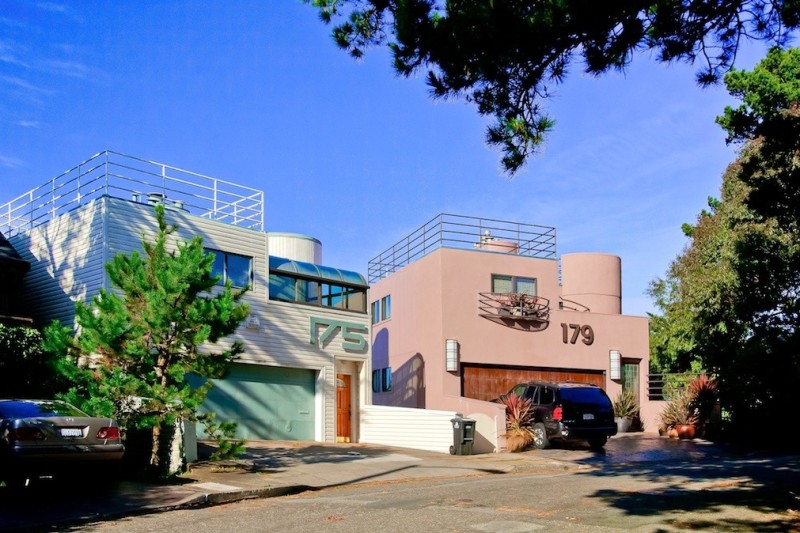
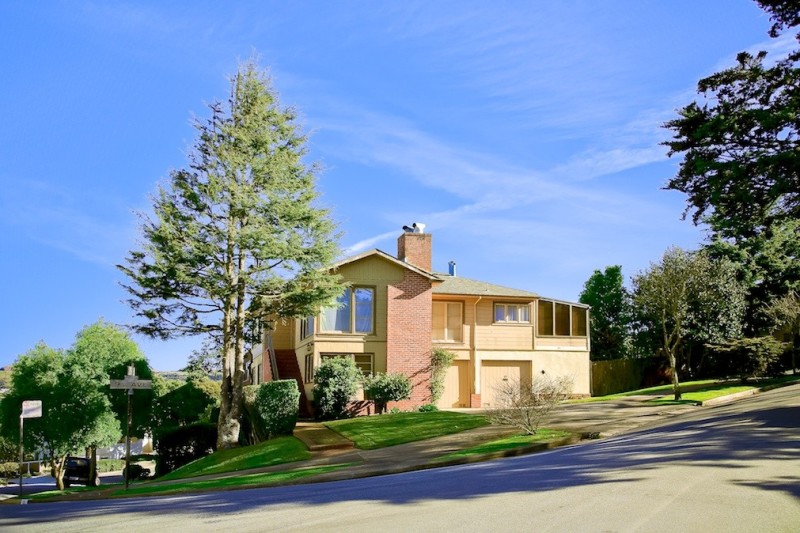
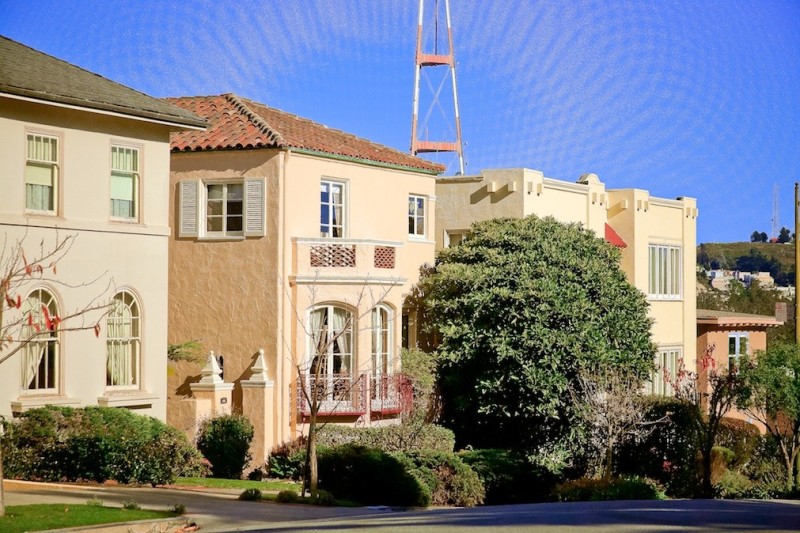
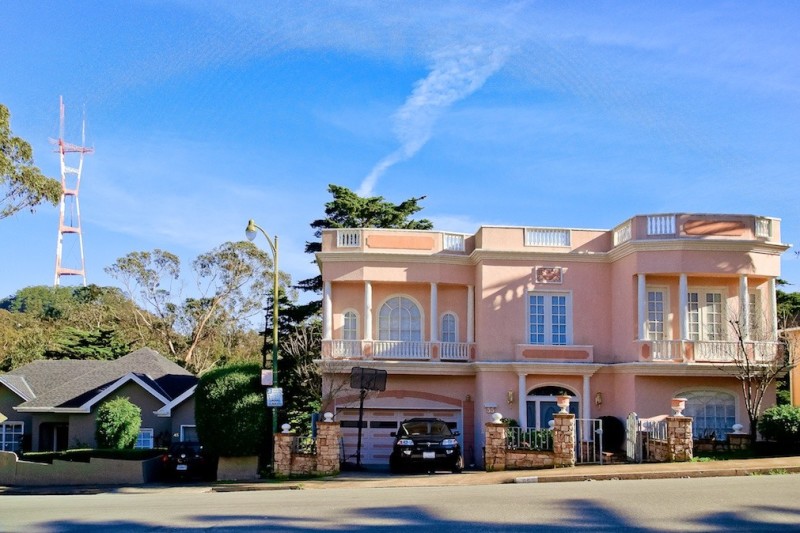
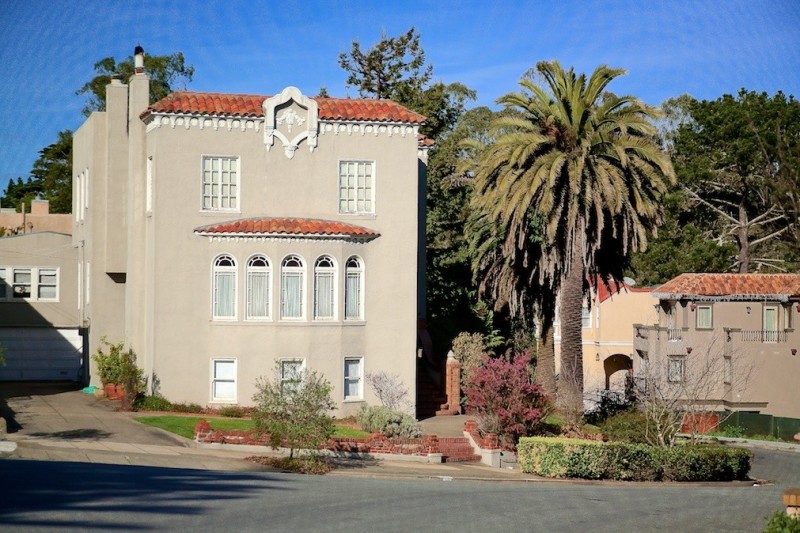
What can be said for a neighborhood that is a museum of fine homes designed by some of the most notable architects of the 20th century? Where the blocks reflect the handiwork of Bernard Maybeck, Julia Morgan, Frank Lloyd Wright, and Henry Hill, the leafy streets and entries and stairways a legacy of landscape architect Mark Daniels? If “exclusive” comes to mind, that’s certainly apt. But it’s also somewhat misleading. Though Forest Hill may once have touted its exclusivity as a selling point, today it plays up its more embracing nature, open to the city in general, much like an urban park. Among the lucky residents of its curved streets and country-like lanes are an increasingly diverse population of homeowners eager to preserve the neighborhood as a unique example of what the idealism of the City Beautiful movement produced in a city rebuilding from the devastation of the 1906 earthquake.
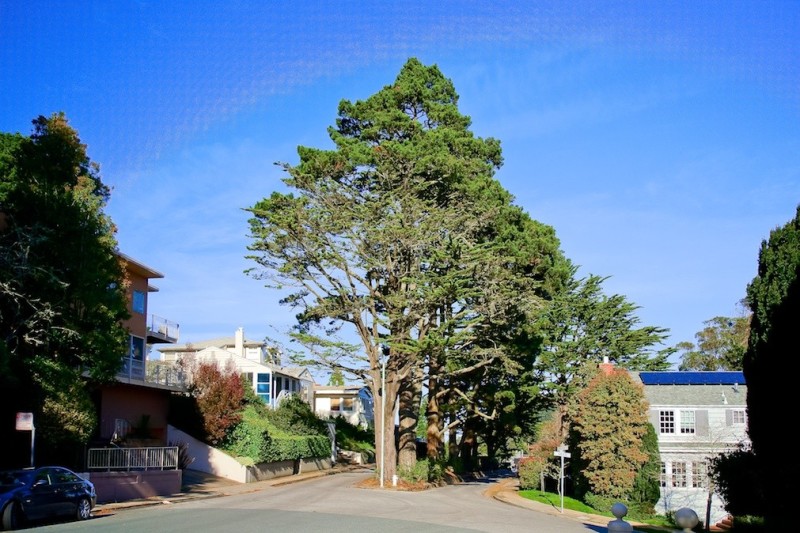
As with many of the residential parks west of Twin Peaks, Forest Hill had a checkered past. Much of the area was part of a manmade forest, planted by the late 19th-century entrepreneur Adolph Sutro. When the streets and first homes were being constructed in 1913, the developers advertised the district as a place where residents could have a “country home within the city,” a neighborhood graced by mature trees, decorative stairways, benches, and flower urns. It would be a development exclusively of single-family homes, with no apartments or “double”-flat units (as in the rest of the city), with houses set back from the street and separated from each other by a mandated number of feet. Moreover (this being the early 20th century), there would be, to quote a promotional brochure, “no Mongols, Africans or ‘shack builders’ allowed.”
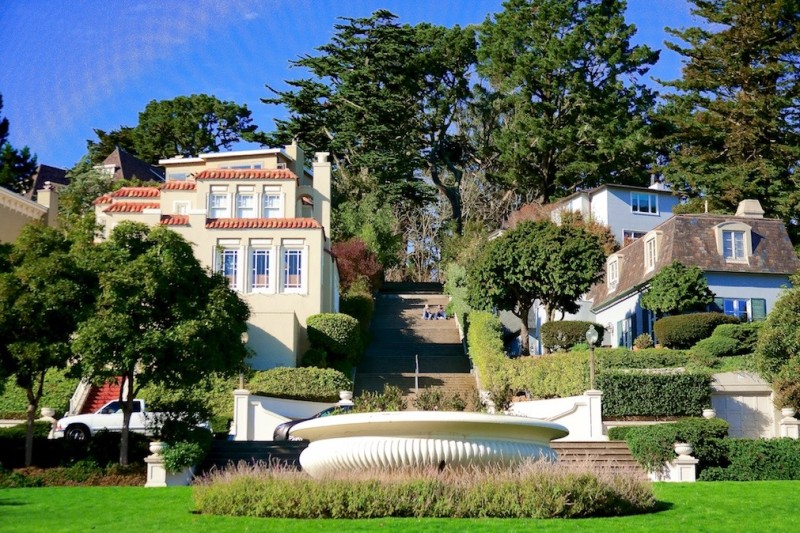
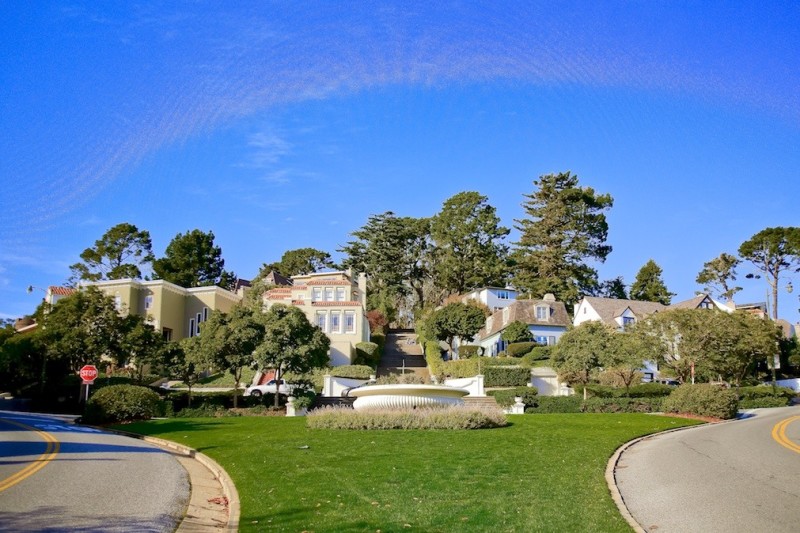
Nearly a century later, most of the ideals promoted by the early developer still hold. Many of the neighborhood’s homes are among the most beautiful and historically significant in San Francisco, representing a cross-section of early- to mid-20th century architecture, as well as distinctive examples of regional design as practiced by, among others, Bernard Maybeck (who designed the iconic neighborhood clubhouse) and Frank Lloyd Wright (one of his “Usonian”-style houses is on San Marcos Avenue). The trees and landscaping have matured beautifully with age, with the street furniture and pedestrian steps, especially the main ones rising from Magellan Avenue to Path Street , still tastefully maintained. (One local historian called the stairway "by far the most elegant in San Francisco," noting how it imparts “a dreamlike, rococo quality to the setting.”) And the question of who is allowed to live here has been settled for decades, not only in the courts, but also in the attitude of the residents. (Willie Mays moved into Forest Hill in 1963; the neighborhood hosts the Arab Cultural and Community Center; and the Forest Hill Association boasts that it “long ago abandoned its founders' restrictive covenants, and today is proud to count … families representing all the ethnic, social and cultural groups which make up 21st century San Francisco.”)
Among the least densely populated places in San Francisco (there are some 650 homes on about a third square mile), Forest Hill is home to 3,000 or so residents, who, according to the U.S. Census Bureau, are mature (median age is 42-plus) and generally either white (55 percent) or Asian (38 percent), with African Americans and people of another or mixed race making up the remaining 7 percent. They tend to be upper middle class (median annual household income is $90,000) and overwhelmingly own their homes (80 percent).
Because the area was intended to have the feel of the country, there is limited commercial activity here, beyond a few restaurants and storefront shops at the intersection of Dewey, Woodside, and Laguna Honda. (There are also a number of shops along Taraval east of 14th Avenue, although many do not consider this Forest Hill, thinking of it more as West Portal.) Although the city assumed responsibility for maintaining the streets and sidewalks in the district in the late 1970s, homeowners within the Forest Hill limits pay an association fee annually for maintenance of the landscaping and street furnishings.
As for parks, the neighborhood—in addition to its manmade forest, grassy medians, stairways, and landscaping features—has a playground (J. P. Murphy) with several tennis courts, a basketball court, children’s swings and climbing equipment, and a clubhouse. Hawk Hill Park, another of San Francisco’s designated “natural areas” located next to Forest Hill’s boundaries, is a steep, sandy incline with great views to the southwest. Although there is a nominal path going through the “park,” it is not recommended that visitors stray far from it, for both safety and ecological reasons.
For such a seemingly “countrified” area, public transportation is quite good in Forest Hill, beginning with the elegant, Italianate Muni subway stop (the oldest underground train stop west of Chicago). Though the frieze above the highly ornamented doors proclaims that this is the “Laguna Honda Station/Twin Peaks Tunnel”—likely because when it was built in 1916 the so-named hospital was the more prominent feature of the area—today’s Forest Hill Station serves the K, L, M, and T streetcars, with their quick access to Civic Center and the Financial District. The No. 6 bus skirts the neighborhood’s western edge en route to points along Haight Street, while three buses—the Nos. 36, 43, and 44—run along Laguna Honda Boulevard on the eastern side, bound for points in the northern half of San Francisco.
Although parking is not difficult to find here, it can be limited, owing to the narrow, steep streets and the overflow from neighboring districts. For that reason, the city’s Department of Parking and Traffic issues “T” residential parking permits, which enable those who live on certain streets with hourly parking limits to ignore the restrictions.
Schools in the neighborhood are, predictably, nonexistent, none having been planned into the original residential-only scheme of the district. But a couple of good schools are nearby—West Portal Elementary, with its campus-like setting off the Kensington Way roundabout, received a 9 out of 10 GreatSchools rating and has a parent-run daycare program and a Chinese immersion bilingual program; and the Ruth Asawa San Francisco School of the Arts, a magnet alternative high school for the performing arts and sciences, on Portola Drive, which received an 8 out of 10 GreatSchools rating.
Forest Hill, while not crime-free, is among the safest places to live in the city. There are occasional burglaries in any three-month period, along with spotty noise nuisances and the even rarer vandalism or graffiti. Though car break-ins and vehicle thefts are reported, these are also rare. Assaults are so infrequent as to be negligible, and there have been no homicides reported in the last three years.
Real estate prices have maintained their value after the downturn, edging up slightly over the last two years, according to Trulia. A simple two-bedroom, one-bathroom home on Dewey Boulevard listed recently at $899,000, while a palatial, four-bed/four-bath home on Sotelo Avenue was asking $1.8 million. Although home rentals are rare to nonexistant, the average monthly asking price for a two-bedroom, one-bathroom apartment in or around the neighborhood is $2,300 to $3,000 a month.
Forest Hill is not for everyone—it was designed specifically not to be. But over the years, it has evolved into a quiet, peaceful, elegant neighborhood whose close-knit residents look out for not only themselves but their little piece of town and country as well.
As with many of the residential parks west of Twin Peaks, Forest Hill had a checkered past. Much of the area was part of a manmade forest, planted by the late 19th-century entrepreneur Adolph Sutro. When the streets and first homes were being constructed in 1913, the developers advertised the district as a place where residents could have a “country home within the city,” a neighborhood graced by mature trees, decorative stairways, benches, and flower urns. It would be a development exclusively of single-family homes, with no apartments or “double”-flat units (as in the rest of the city), with houses set back from the street and separated from each other by a mandated number of feet. Moreover (this being the early 20th century), there would be, to quote a promotional brochure, “no Mongols, Africans or ‘shack builders’ allowed.”
Nearly a century later, most of the ideals promoted by the early developer still hold. Many of the neighborhood’s homes are among the most beautiful and historically significant in San Francisco, representing a cross-section of early- to mid-20th century architecture, as well as distinctive examples of regional design as practiced by, among others, Bernard Maybeck (who designed the iconic neighborhood clubhouse) and Frank Lloyd Wright (one of his “Usonian”-style houses is on San Marcos Avenue). The trees and landscaping have matured beautifully with age, with the street furniture and pedestrian steps, especially the main ones rising from Magellan Avenue to Path Street , still tastefully maintained. (One local historian called the stairway "by far the most elegant in San Francisco," noting how it imparts “a dreamlike, rococo quality to the setting.”) And the question of who is allowed to live here has been settled for decades, not only in the courts, but also in the attitude of the residents. (Willie Mays moved into Forest Hill in 1963; the neighborhood hosts the Arab Cultural and Community Center; and the Forest Hill Association boasts that it “long ago abandoned its founders' restrictive covenants, and today is proud to count … families representing all the ethnic, social and cultural groups which make up 21st century San Francisco.”)
Among the least densely populated places in San Francisco (there are some 650 homes on about a third square mile), Forest Hill is home to 3,000 or so residents, who, according to the U.S. Census Bureau, are mature (median age is 42-plus) and generally either white (55 percent) or Asian (38 percent), with African Americans and people of another or mixed race making up the remaining 7 percent. They tend to be upper middle class (median annual household income is $90,000) and overwhelmingly own their homes (80 percent).
Because the area was intended to have the feel of the country, there is limited commercial activity here, beyond a few restaurants and storefront shops at the intersection of Dewey, Woodside, and Laguna Honda. (There are also a number of shops along Taraval east of 14th Avenue, although many do not consider this Forest Hill, thinking of it more as West Portal.) Although the city assumed responsibility for maintaining the streets and sidewalks in the district in the late 1970s, homeowners within the Forest Hill limits pay an association fee annually for maintenance of the landscaping and street furnishings.
As for parks, the neighborhood—in addition to its manmade forest, grassy medians, stairways, and landscaping features—has a playground (J. P. Murphy) with several tennis courts, a basketball court, children’s swings and climbing equipment, and a clubhouse. Hawk Hill Park, another of San Francisco’s designated “natural areas” located next to Forest Hill’s boundaries, is a steep, sandy incline with great views to the southwest. Although there is a nominal path going through the “park,” it is not recommended that visitors stray far from it, for both safety and ecological reasons.
For such a seemingly “countrified” area, public transportation is quite good in Forest Hill, beginning with the elegant, Italianate Muni subway stop (the oldest underground train stop west of Chicago). Though the frieze above the highly ornamented doors proclaims that this is the “Laguna Honda Station/Twin Peaks Tunnel”—likely because when it was built in 1916 the so-named hospital was the more prominent feature of the area—today’s Forest Hill Station serves the K, L, M, and T streetcars, with their quick access to Civic Center and the Financial District. The No. 6 bus skirts the neighborhood’s western edge en route to points along Haight Street, while three buses—the Nos. 36, 43, and 44—run along Laguna Honda Boulevard on the eastern side, bound for points in the northern half of San Francisco.
Although parking is not difficult to find here, it can be limited, owing to the narrow, steep streets and the overflow from neighboring districts. For that reason, the city’s Department of Parking and Traffic issues “T” residential parking permits, which enable those who live on certain streets with hourly parking limits to ignore the restrictions.
Schools in the neighborhood are, predictably, nonexistent, none having been planned into the original residential-only scheme of the district. But a couple of good schools are nearby—West Portal Elementary, with its campus-like setting off the Kensington Way roundabout, received a 9 out of 10 GreatSchools rating and has a parent-run daycare program and a Chinese immersion bilingual program; and the Ruth Asawa San Francisco School of the Arts, a magnet alternative high school for the performing arts and sciences, on Portola Drive, which received an 8 out of 10 GreatSchools rating.
Forest Hill, while not crime-free, is among the safest places to live in the city. There are occasional burglaries in any three-month period, along with spotty noise nuisances and the even rarer vandalism or graffiti. Though car break-ins and vehicle thefts are reported, these are also rare. Assaults are so infrequent as to be negligible, and there have been no homicides reported in the last three years.
Real estate prices have maintained their value after the downturn, edging up slightly over the last two years, according to Trulia. A simple two-bedroom, one-bathroom home on Dewey Boulevard listed recently at $899,000, while a palatial, four-bed/four-bath home on Sotelo Avenue was asking $1.8 million. Although home rentals are rare to nonexistant, the average monthly asking price for a two-bedroom, one-bathroom apartment in or around the neighborhood is $2,300 to $3,000 a month.
Forest Hill is not for everyone—it was designed specifically not to be. But over the years, it has evolved into a quiet, peaceful, elegant neighborhood whose close-knit residents look out for not only themselves but their little piece of town and country as well.
Recommended for
- Professionals
- Families with kids
- Retirees
Forest Hill

"Suburbia in SF"
Conveniently located near West Portal and the Inner Sunset, San Francisco’s Forest Hill neighborhood feels a world away from the hustle and bustle of city life.
With its leafy, winding streets, architecturally significant homes, and neighborhood clubhouse, Forest Hill offers tranquility and beauty to the residents who occupy its approximately 650 homes.
Forest Hill homes for sale represent a variety of styles, and the neighborhood features designs from prominent architects, such as Frank Lloyd Wright, Julia Morgan, and Bernard Maybeck, who also designed the clubhouse on Magellan Avenue.
In May the median sale price for a single-family home in Forest Hill was $1.3 million, according to MLS data.
The neighborhood’s stately entrance on Pacheco Street features a decorative urn, beautiful landscaping, and pedestrian steps. The Forest Hill Association, one of the few non-condo neighborhood associations in San Francisco, maintains the district’s common areas.
Opportunities for enjoying the outdoors abound in Forest Hill, which boasts a man-made forest and several nearby parks, including J.P. Murphy Playground, Golden Gate Heights Park, and Hawk Hill Park, with its stunning views of the city.
Commercial activity in the area is limited to a strip of businesses on Dewey Boulevard with several restaurants, including Sushi Shoh and French bistro Chouchou. However, an array of eateries and shops are located in nearby West Portal and the Inner Sunset, and a Mollie Stone’s supermarket is available on Portola Drive.
Transit is surprisingly good in the neighborhood, with bus service from the 6-Parnassus and numerous Muni metro lines whisking residents downtown from the Forest Hill station on Laguna Honda Boulevard.
With its leafy, winding streets, architecturally significant homes, and neighborhood clubhouse, Forest Hill offers tranquility and beauty to the residents who occupy its approximately 650 homes.
Forest Hill homes for sale represent a variety of styles, and the neighborhood features designs from prominent architects, such as Frank Lloyd Wright, Julia Morgan, and Bernard Maybeck, who also designed the clubhouse on Magellan Avenue.
In May the median sale price for a single-family home in Forest Hill was $1.3 million, according to MLS data.
The neighborhood’s stately entrance on Pacheco Street features a decorative urn, beautiful landscaping, and pedestrian steps. The Forest Hill Association, one of the few non-condo neighborhood associations in San Francisco, maintains the district’s common areas.
Opportunities for enjoying the outdoors abound in Forest Hill, which boasts a man-made forest and several nearby parks, including J.P. Murphy Playground, Golden Gate Heights Park, and Hawk Hill Park, with its stunning views of the city.
Commercial activity in the area is limited to a strip of businesses on Dewey Boulevard with several restaurants, including Sushi Shoh and French bistro Chouchou. However, an array of eateries and shops are located in nearby West Portal and the Inner Sunset, and a Mollie Stone’s supermarket is available on Portola Drive.
Transit is surprisingly good in the neighborhood, with bus service from the 6-Parnassus and numerous Muni metro lines whisking residents downtown from the Forest Hill station on Laguna Honda Boulevard.
Pros
- Beautiful Homes
- Quiet and Safe
Cons
- not very walkable
Forest Hill

rating details
2yrs+
- Neighborly Spirit
- Safe & Sound
- Clean & Green
- Pest Free
- Peace & Quiet
- Eating Out
- Nightlife
- Parks & Recreation
- Shopping Options
- Gym & Fitness
- Internet Access
- Lack of Traffic
- Parking
- Cost of Living
- Resale or Rental Value
- Public Transport
- Medical Facilities
- Schools
- Childcare
"A Catalog of Quaint Residential Architecture"
Hidden away on the western end of San Francisco right at the edge of the Sunset District, Forest Hill is just far enough away from the more hectic locations in San Francisco to give residents a certain feeling of tranquility and security, yet not so far away that you can easily be at a 5-star restaurants within 15 minutes.
There is nothing modest or muted about these homes however. The neighborhood is just a beautiful architectural tour-de-force; the kind of place that is like a architecture student’s dream neighborhood. Every home is unique and deserves an hour’s attention at least by those who love to study residential architecture. There are story book style cottage homes with curved faux rustic style roofs and perfectly selected multicolored brickwork. There are large mansion style homes fronted by giant redwood trees with eye lines that stretch out over the Sunset to the sea. There are even cozy half timbered French style cottages with attractively shaped topiary in the front yards.
The median selling price for a home here in Forest Hill in the past year was $1.4 million. Homes here barely hit the $2 million range on the high end so it is far from being in the same league as its western neighbor, Saint Francis Wood.
What accounts for this discrepancy? As far as I can tell, the main reason for this has to do with location. Forest Hill though it is nicely tucked away is a little bit outside of the prime areas where the filthy rich want to be. You have Golden Gate Park just to the north but you are not quite as conveniently located for getting to the northern part of San Francisco, which is the truly posh area.
At least, this is what I can make of it. The other thing too is that since Forest Hill has an ordinance against commercial offerings, schools and other businesses require you to leave the neighborhood. That is a bit of a drawback.
That said, the schools that are in the area are some of the strongest in San Francisco. Crime is very low and the public transportation system that can take you all over the city is more than adequate: you can get from here to the Financial District via public transportation in about a half hour.
Definitely not too shabby.
There is nothing modest or muted about these homes however. The neighborhood is just a beautiful architectural tour-de-force; the kind of place that is like a architecture student’s dream neighborhood. Every home is unique and deserves an hour’s attention at least by those who love to study residential architecture. There are story book style cottage homes with curved faux rustic style roofs and perfectly selected multicolored brickwork. There are large mansion style homes fronted by giant redwood trees with eye lines that stretch out over the Sunset to the sea. There are even cozy half timbered French style cottages with attractively shaped topiary in the front yards.
The median selling price for a home here in Forest Hill in the past year was $1.4 million. Homes here barely hit the $2 million range on the high end so it is far from being in the same league as its western neighbor, Saint Francis Wood.
What accounts for this discrepancy? As far as I can tell, the main reason for this has to do with location. Forest Hill though it is nicely tucked away is a little bit outside of the prime areas where the filthy rich want to be. You have Golden Gate Park just to the north but you are not quite as conveniently located for getting to the northern part of San Francisco, which is the truly posh area.
At least, this is what I can make of it. The other thing too is that since Forest Hill has an ordinance against commercial offerings, schools and other businesses require you to leave the neighborhood. That is a bit of a drawback.
That said, the schools that are in the area are some of the strongest in San Francisco. Crime is very low and the public transportation system that can take you all over the city is more than adequate: you can get from here to the Financial District via public transportation in about a half hour.
Definitely not too shabby.
Pros
- Beautiful Homes
- Good Nearby Schools
- Quiet and Safe
Cons
- A Little Dull
- Expensive
- Maintenance Problems
Recommended for
- Professionals
- Families with kids
- Retirees
- Tourists
- LGBT+
- Trendy & Stylish
Forest Hill

rating details
2yrs+
- Neighborly Spirit
- Safe & Sound
- Clean & Green
- Peace & Quiet
- Eating Out
- Nightlife
"Woodsy upscale community"
Forest Hill is a centrally located district with a peaceful community and pristine landscaping. In a way, it feels like a gated community with its beautiful homes, exquisite architecture and leafy sidewalks. The neighborhood attracts the upper class crowd, mostly populated with white or asian residents. The houses are moderately large and spaced apart, giving residents’ sizable yards for them to do their gardening (which is rare in San Francisco). As you enter, you are met with a beautiful fountain on a grassy knoll centering a roundabout. Just behind it, you’ll see a set of long staircases climbing the hillside to other windy streets above.
Forest Hill is a somewhat hilly neighborhood with few options for public transportation. Bus lines and Muni stations are not within district lines, but lie within walking distance. With the community so isolated, street parking is easy to come by. The long, windy roads and two car garages for every home make for ample parking. Neighborhood safety is also a non-issue. Crime is relatively rare with people only complaining of minor criminal acts.
For commercial needs, Forest Hill residents must travel west to Central Sunset given that no commercial activity exists except for a few neighborhood shops. Families with children can send their artistic tykes to the School of the Arts. Those seeking a little adventure can head east to Twin Peaks where they can hike to the hilltops and get a 360 degree view of San Francisco.
Forest Hill is a somewhat hilly neighborhood with few options for public transportation. Bus lines and Muni stations are not within district lines, but lie within walking distance. With the community so isolated, street parking is easy to come by. The long, windy roads and two car garages for every home make for ample parking. Neighborhood safety is also a non-issue. Crime is relatively rare with people only complaining of minor criminal acts.
For commercial needs, Forest Hill residents must travel west to Central Sunset given that no commercial activity exists except for a few neighborhood shops. Families with children can send their artistic tykes to the School of the Arts. Those seeking a little adventure can head east to Twin Peaks where they can hike to the hilltops and get a 360 degree view of San Francisco.
Recommended for
- Professionals
- Families with kids
- Country Lovers
- Trendy & Stylish
- Beach Lovers
Forest Hill

rating details
2yrs+
- Neighborly Spirit
- Safe & Sound
- Clean & Green
- Pest Free
- Peace & Quiet
- Eating Out
- Nightlife
- Parks & Recreation
- Shopping Options
- Gym & Fitness
- Internet Access
- Lack of Traffic
- Cost of Living
- Resale or Rental Value
- Public Transport
- Medical Facilities
- Schools
- Childcare
"Home to Laguna Honda"
Forrest Hill is a nice little quiet spot in San Francisco, probably most known for housing the Laguna Honda area and Laguna Honda Hospital. It kind of makes sense when you think about it, perfect quiet location for a hospital containing a large number of elderly patients. And because of the peacefulness and natural environment, it can be quite scenic for the local San Franciscan, probably not though for tourists. Driving through Forrest Hill isn’t that bad at all, in fact it could potentially make the neighborhood more scenic due to the fact that the neighborhoods aren’t blandly laid out in rectangular blocks like the Sunset. The neighborhoods in Forrest Hill have no particular design to them, the streets wind all over the place. This neighborhood definitely holds true to its name. The neighborhood lies on a grand hill and there are green trees, bushes, etc. all over the place; this is definitely a great neighborhood to live in if you’re looking for that peaceful and natural environment.
There are barely any stores in this neighborhood, but there is an adequate amount of transportation on neighboring streets. There is also the Hawk Hill Park you could visit. Just expect to live or be in a quiet area when in Forrest Hill.
There are barely any stores in this neighborhood, but there is an adequate amount of transportation on neighboring streets. There is also the Hawk Hill Park you could visit. Just expect to live or be in a quiet area when in Forrest Hill.
Recommended for
- Families with kids
- Retirees
Forest Hill

"Are you seeing the Forrest or the trees?"
The area west of Twin Peaks that stretches west to 19th Avenue and Highway 1 is made up of Forest Knolls, Midtown Terrace, West Portal, and Forest Hill. The Forest Hill community enjoys cool breezes from the Pacific and spectacular sunsets year round.
Though primarily residential, the neighborhood is also the home of Laguna Honda hospital, a public long-term care facility. Midtown Terrace Park, Sunset Heights and Hawk Hill Park are a few of the outdoors public areas. Not a lot of shopping immediately in Forrest Hill, but The West Portal commercial district is a thriving shopping and dining hub considered this area's centerpiece. The streets have a distinctively small town convenience on the K or the M Muni lines. Take Muni going south to get to San Francisco State University or Stonestown Shopping Center.
Forest Hill's lush landscaping, curving lanes and thousands of trees make it a highly desirable residential area. Most of the large, detached Arts and Crafts, Edwardian, and Mediterranean style houses, built in the early 1900s, have ample yards. Noted architect Bernard Maybeck designed several Forest Hill residences as well as the Forest Hill Clubhouse, which is available to rent for weddings and other special occasions.
Though primarily residential, the neighborhood is also the home of Laguna Honda hospital, a public long-term care facility. Midtown Terrace Park, Sunset Heights and Hawk Hill Park are a few of the outdoors public areas. Not a lot of shopping immediately in Forrest Hill, but The West Portal commercial district is a thriving shopping and dining hub considered this area's centerpiece. The streets have a distinctively small town convenience on the K or the M Muni lines. Take Muni going south to get to San Francisco State University or Stonestown Shopping Center.
Forest Hill's lush landscaping, curving lanes and thousands of trees make it a highly desirable residential area. Most of the large, detached Arts and Crafts, Edwardian, and Mediterranean style houses, built in the early 1900s, have ample yards. Noted architect Bernard Maybeck designed several Forest Hill residences as well as the Forest Hill Clubhouse, which is available to rent for weddings and other special occasions.
Recommended for
- Professionals
- Singles
- Families with kids
- Retirees
Forest Hill

"A Charming Spot"
Forest Hill is a charming spot in San Francisco. At the bottom of Laguna Honda you'll find a few spots and then up the hill toward the Sunset you'll have an amazing (though short) interaction with nature.
San Francisco has very few traffic circles. One of them can be found at the intersection of Dewey, Kensington, Montalvo and Taraval at the southern edge of this area.
Getting into and out of this area can be a little indirect, which also adds to the charm and appeal of living in such a spot. While it is highly residential, you're just a short way from places down near and on Taraval.
San Francisco has very few traffic circles. One of them can be found at the intersection of Dewey, Kensington, Montalvo and Taraval at the southern edge of this area.
Getting into and out of this area can be a little indirect, which also adds to the charm and appeal of living in such a spot. While it is highly residential, you're just a short way from places down near and on Taraval.
Recommended for
- Professionals
- Singles
- Families with kids
- Retirees


