Corona
Ranked 53rd best neighborhood in Queens
- Follow
- Write a review
- Ask a question
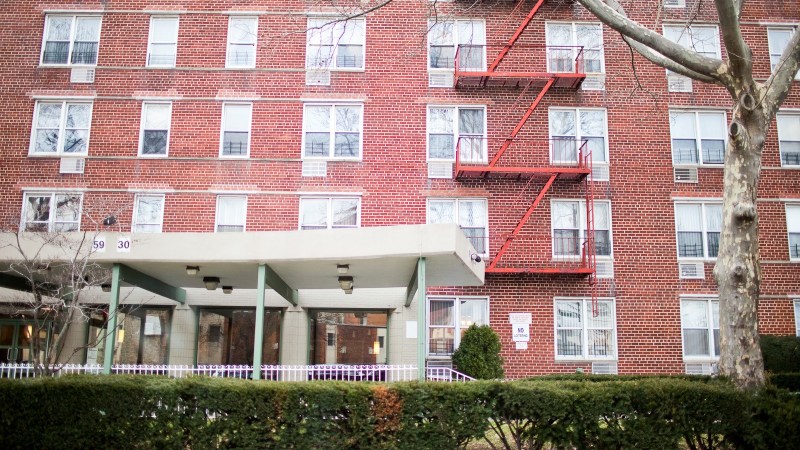
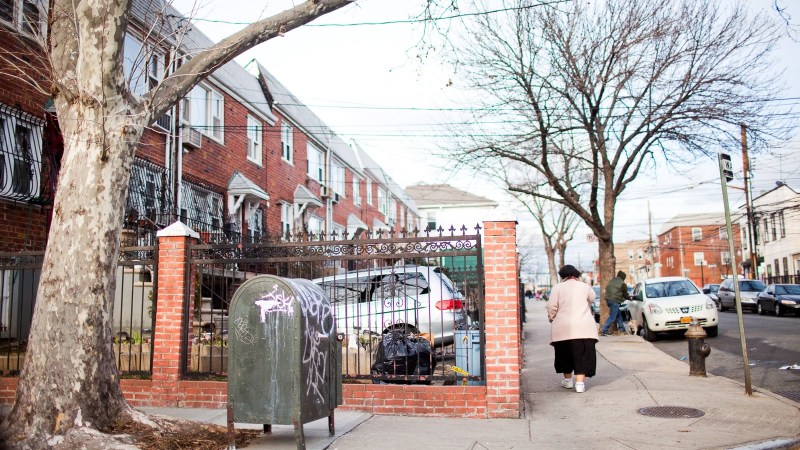
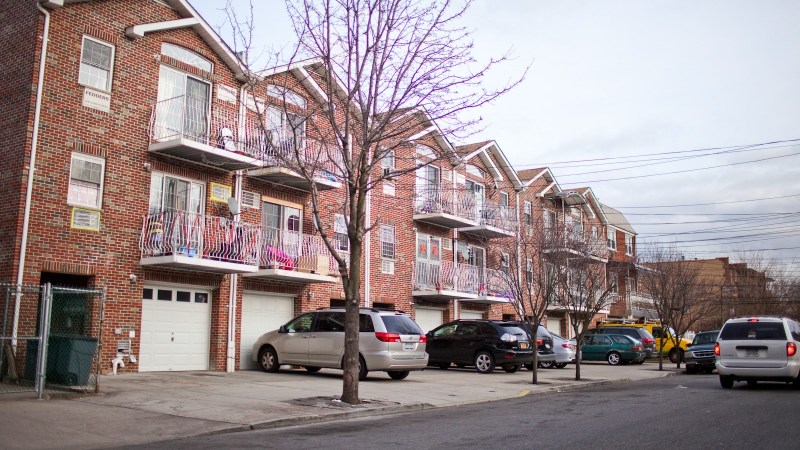
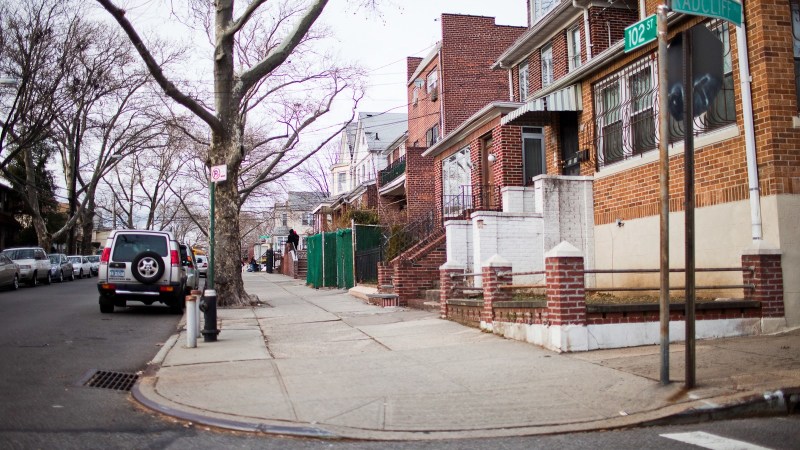


Great for
- Internet Access
- Parks & Recreation
- Public Transport
- Childcare
- Eating Out
Not great for
- Lack of Traffic
- Parking
- Peace & Quiet
- Clean & Green
- Safe & Sound
Who lives here?
- Singles
- Professionals
- Families with kids
- Retirees
- Students
Got a burning question? Why not ask the locals! Simply ask your question below

Reviews
Corona
rating details
2yrs+
- Neighborly Spirit
- Safe & Sound
- Clean & Green
- Pest Free
- Peace & Quiet
- Eating Out
- Nightlife
- Parks & Recreation
- Shopping Options
- Gym & Fitness
- Internet Access
- Lack of Traffic
- Parking
- Cost of Living
- Resale or Rental Value
- Public Transport
- Medical Facilities
- Schools
- Childcare
"Lived Here For Two Years..."
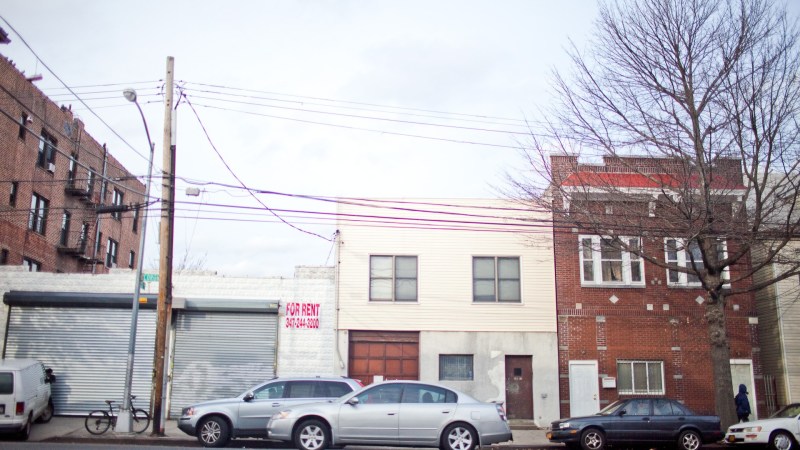
couldn't wait to leave. Corona has changed a lot in recent years. Archie Bunker would toss in his grave. They have torn down so many single and two-family houses to build multi-family Fedder houses and even Fedder buildings. There is no real sense of community. The place is rundown, very overcrowded, and chaotic. I wouldn't say it's unsafe, but a woman should not wonder around dark streets later at night, as she may get comments, catcalls, and the occasional creep following her.
Pros
- Some decent restaurants
- Access to Flushing Meadow park
Cons
- Overcrowded
- Rundown
- Chaotic
- Noisy
Recommended for
- Students
Corona

rating details
2yrs+
- Neighborly Spirit
- Safe & Sound
- Clean & Green
- Pest Free
- Peace & Quiet
- Eating Out
- Nightlife
- Parks & Recreation
- Shopping Options
- Gym & Fitness
- Internet Access
- Lack of Traffic
- Parking
- Cost of Living
- Resale or Rental Value
- Public Transport
- Medical Facilities
- Schools
- Childcare
"Diverse town in Queens"
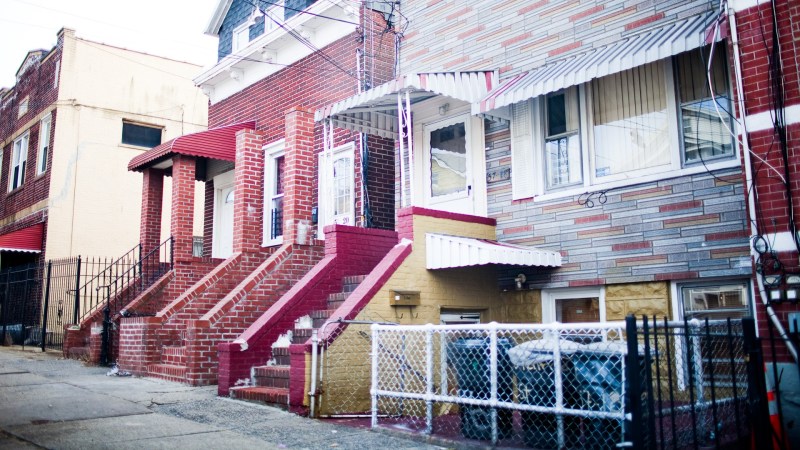
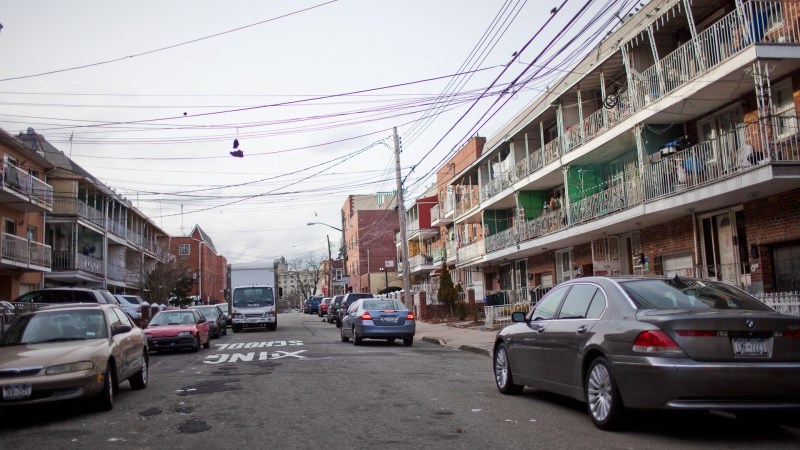
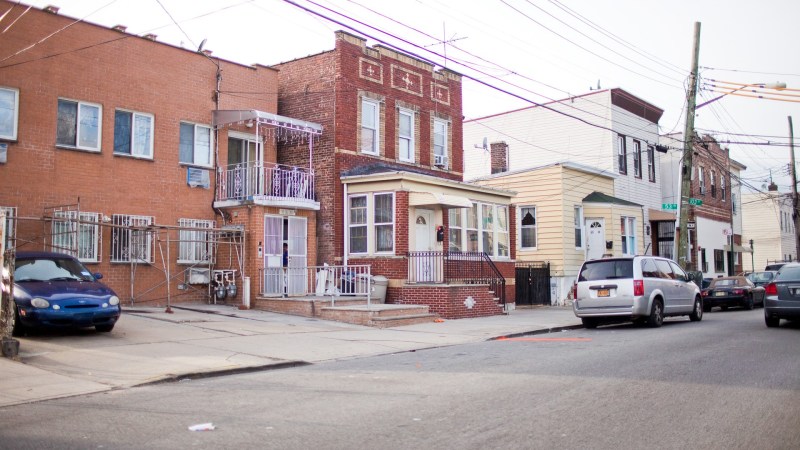
Corona is a lower middle-class neighborhood that is located between Flushing and Jackson Heights. It is extremely diverse; it has a predominately Hispanic population, with small percentages of African Americans, Italians, and Asians. While the neighborhood has improved dramatically over the past few decade, it still has a reputation of being unsafe. Still, it definitely has gotten better and more young professionals are turning to Corona and its neighboring towns because of its low housing prices and convenient access to the subway. The 7 train runs right through the heart of Corona.
The Langston Hughes Library and the Black Heritage Reference Center are two great places to visit - particularly with kids, so that you can teach them about history. Flushing Meadows Corona Park is one of the largest parks in New York City. It was shown in many movies, including Men in Black, and was the site of two world's fairs. This huge park includes Citi Field (formerly Shea Stadium), the tennis center where the U. S. Open is held, the Hall of Science, a museum, an ice skating rink, and a wildlife center. Corona is also a culturally important neighborhood because musical icons from Louis Armstrong to the Beatnuts have lived here.
The Langston Hughes Library and the Black Heritage Reference Center are two great places to visit - particularly with kids, so that you can teach them about history. Flushing Meadows Corona Park is one of the largest parks in New York City. It was shown in many movies, including Men in Black, and was the site of two world's fairs. This huge park includes Citi Field (formerly Shea Stadium), the tennis center where the U. S. Open is held, the Hall of Science, a museum, an ice skating rink, and a wildlife center. Corona is also a culturally important neighborhood because musical icons from Louis Armstrong to the Beatnuts have lived here.
Pros
- Access to Flushing Meadow park
- Diverse population
- Musical / cultural history
Cons
- Noisy
- Bad reputation for safety
Recommended for
- Professionals
- Singles
- Retirees
Corona

"Lots of diversity"
Corona is a neighborhood located in north central Queens and is surrounded Rego Park and Forest Hills to the south, Flushing Meadow Corona Park to the east, North Corona to the north, and Elmhurst to the east.
Corona's main thoroughfares include Corona Avenue, Roosevelt Avenue, Northern Boulevard, Junction Boulevard, and 108th Street. Most commercial businesses and shopping can be found in this area. The 7 train runs through the neighborhood with stops at 111th Street, 103rd Street-Corona Plaza and Junction Boulevard.
Today, Corona is very diverse with residents from all over the world. As a result, the attractions in the neighborhood area just as diverse. Corona is bordered on the east by Flushing Meadows-Corona Park, one of the largest parks in New York City and the site of the 1939 and 1964 World's Fairs. Located within the park are Shea Stadium, home of the New York Mets, and the USTA National Tennis Center, where the U.S. Open in tennis is held annually. Corona was the home of famous jazz musician Louis Armstrong, whose house is now a museum. The popular Lemon Ice King of Corona is located on the intersection of 108th Street and Corona Avenue.
Corona's main thoroughfares include Corona Avenue, Roosevelt Avenue, Northern Boulevard, Junction Boulevard, and 108th Street. Most commercial businesses and shopping can be found in this area. The 7 train runs through the neighborhood with stops at 111th Street, 103rd Street-Corona Plaza and Junction Boulevard.
Today, Corona is very diverse with residents from all over the world. As a result, the attractions in the neighborhood area just as diverse. Corona is bordered on the east by Flushing Meadows-Corona Park, one of the largest parks in New York City and the site of the 1939 and 1964 World's Fairs. Located within the park are Shea Stadium, home of the New York Mets, and the USTA National Tennis Center, where the U.S. Open in tennis is held annually. Corona was the home of famous jazz musician Louis Armstrong, whose house is now a museum. The popular Lemon Ice King of Corona is located on the intersection of 108th Street and Corona Avenue.
Recommended for
- Professionals
- Singles
- Retirees
Corona

"This is Fitzgerald's "Valley of Ashes""
This is a lower middle class area where the guy from King of Queens is supposed to live. If you are out in this area, you should stop by the Corona Plaza, which is central to the residential neighborhood and representative of the chaos that goes on in Manhattan. There has been a huge decrease in crime here in recent years, and the many of the residents here claim the Dominican Republic as their nationality.
Fun facts: the lyrics “goodbye to Rosie, the queen of Corona” was a reference to this neighborhood (and not the beer), and this is the wasteland that F. Scott Fitzgerald described in The Great Gatsby as the “valley of ashes.”
Fun facts: the lyrics “goodbye to Rosie, the queen of Corona” was a reference to this neighborhood (and not the beer), and this is the wasteland that F. Scott Fitzgerald described in The Great Gatsby as the “valley of ashes.”

ShannonLGilstad
This area is far from "lower middle class"; it's actually pretty poor. The south part of Corona on 108th Street still has some older Italians, which "King of Queens" is supposed to be based in, but you would be hard-pressed to find a middle-lass family like that in most of Corona.
2yrs+
Add a comment...


